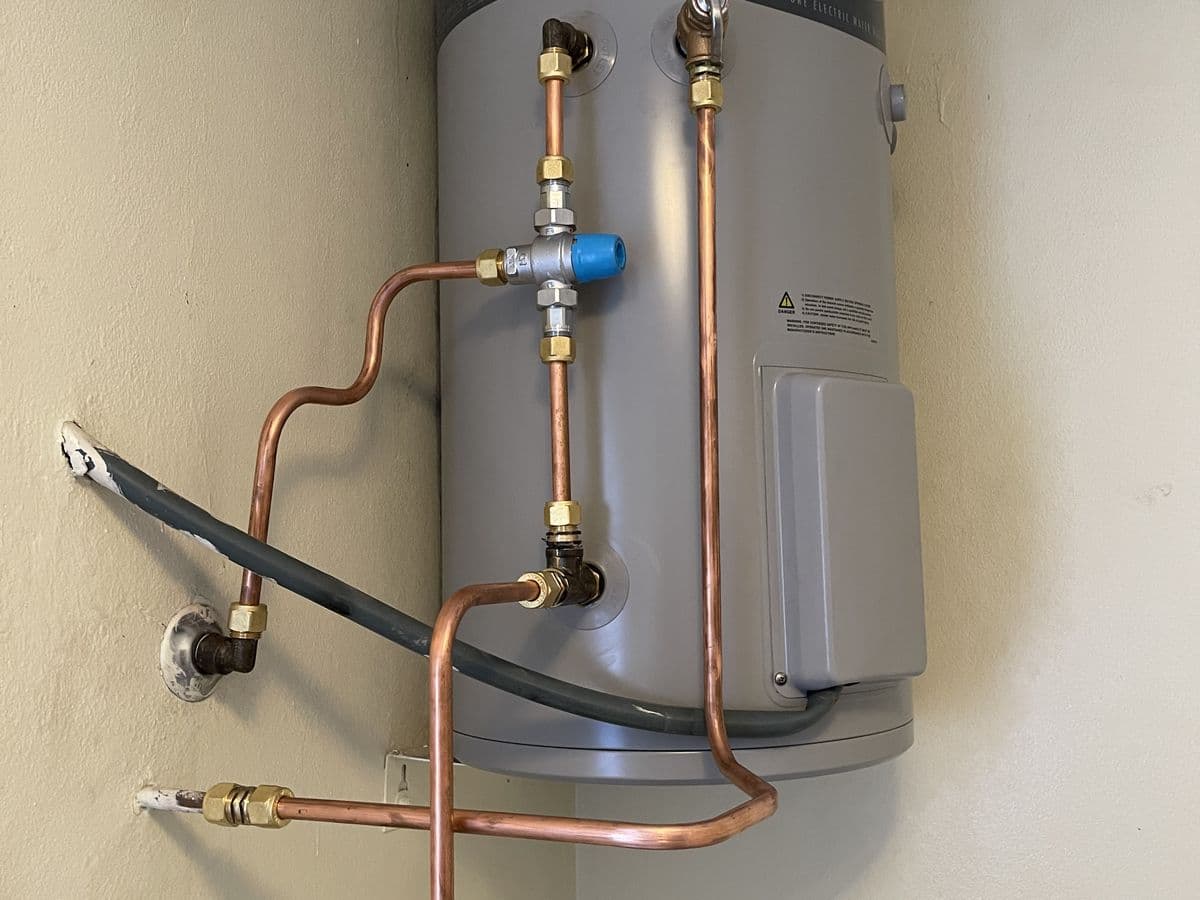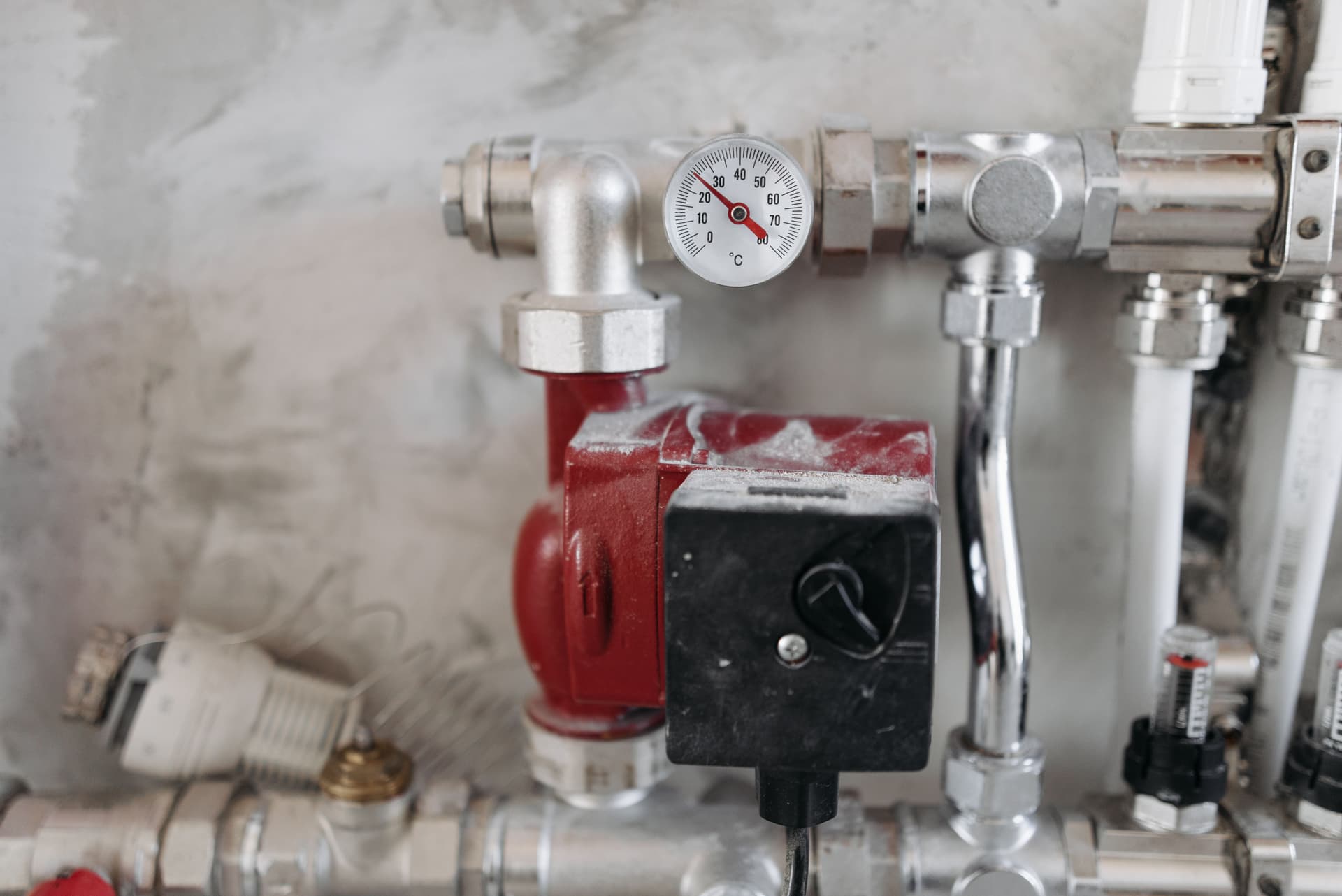
LPG vs Natural Gas: The Short Version
You've found a great second-hand BBQ, or you've just moved into a place with a gas cooktop, and someone asks the question: is it LPG or natural gas? It matters more than people think. In the LPG vs natural gas debate, the point that trips people up is simple. The two aren't interchangeable, and an appliance built for one won't run safely on the other.
Here's the difference in plain terms, how to work out which gas your home uses, how each one behaves if it leaks, and what's involved if you want an appliance to switch. It's written for Sydney and Melbourne households by the licensed gasfitters at 24/7 Local Plumbers.
Both are fuel gases for cooking, heating and hot water. That's roughly where the similarities end. They come from different places, reach your home in different ways and behave differently once they're out of the pipe.
| Natural gas | LPG | |
|---|---|---|
| What it is | Mostly methane | Propane or butane (household LPG in Australia is typically propane) |
| How it's supplied | Piped from the street through a gas meter | Delivered in cylinders or a tank on your property |
| Weight compared with air | Lighter, so it rises | Heavier, so it sinks |
| Common home uses | Cooktops, ovens, heaters, hot water | Cooktops, BBQs, heaters, hot water, homes without mains gas |
| Who installs and connects it | A licensed gasfitter | A licensed gasfitter |
Both are odourised so you can smell a leak
On their own, neither gas has any smell. A chemical is added to both so a leak smells a bit like rotten eggs. If you ever catch that smell, take it seriously. What to do is covered further down.
They run at different pressures
The two gas types are supplied to appliances at different pressures, and they burn differently. That's why every gas appliance is built and certified for one specific gas, and why running it on the wrong one is dangerous.
How to Tell Which Gas Your Home Uses
It usually takes a couple of minutes.
A meter connected to the street means natural gas
Natural gas homes have a gas meter, normally on an outside wall near the front or in a meter box, with a pipe coming in from the street. You'll also get a regular bill from a gas retailer, and it'll include a daily supply charge.
Cylinders or a tank mean LPG
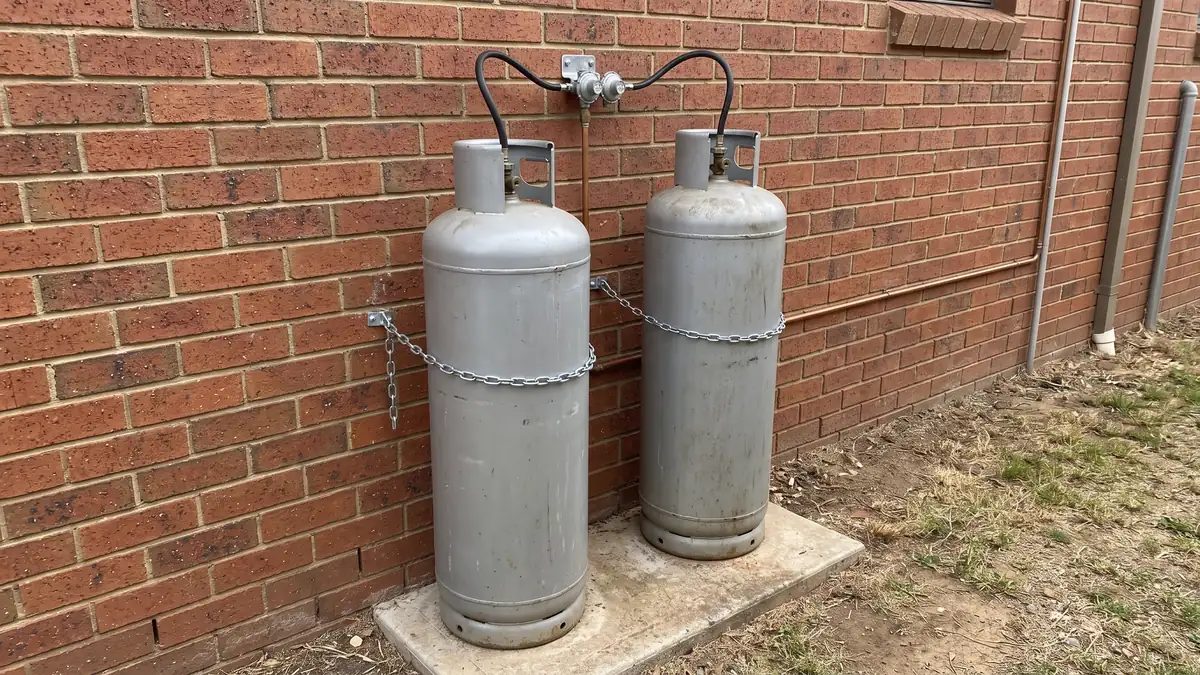
LPG homes have gas cylinders (often a pair, secured upright against an outside wall) or a bigger tank in the yard, connected to the house through a regulator. Instead of a metered bill, you pay for refills or deliveries.
Plenty of homes have both: mains natural gas inside, plus a portable LPG bottle for the BBQ or the patio heater.
Check the appliance's identification plate
Every gas appliance sold has to be marked with the type of gas it's built for. Look for a data plate or sticker on the appliance itself. Try inside a cupboard door, under the cooktop or on the back panel. If the plate doesn't match your supply, don't connect it and don't use it.
Safety: How Each Gas Behaves If It Leaks
The most practical safety difference between the two is where the gas goes when it escapes.
Natural gas rises, LPG sinks
According to NSW Government gas safety advice, natural gas is lighter than air and can rise in a room. LPG is heavier than air and sinks to lower areas such as gullies, trenches and basements, where it can collect.
So an LPG leak can hang around in low spots long after you'd expect it to have cleared. It's also why where the cylinders go is a decision for a licensed gasfitter.
If you smell gas
NSW Government advice is to treat any gas leak as potentially lethal. If you smell gas in your home:
- Leave the building straight away and call 000. Ask for the fire service.
- Put out any naked flames and make sure nobody is smoking.
- If it's safe to do so, turn off the gas at the meter or cylinder and open doors and windows.
- Contact a licensed gasfitter and your gas supplier (the supplier's number is on your gas bill).
Don't use a lighter or matches to hunt for the leak, and don't try to relight anything. Once you and your household are safe, our emergency plumbers attend gas leaks 24 hours a day.
Can You Convert an Appliance from Natural Gas to LPG?
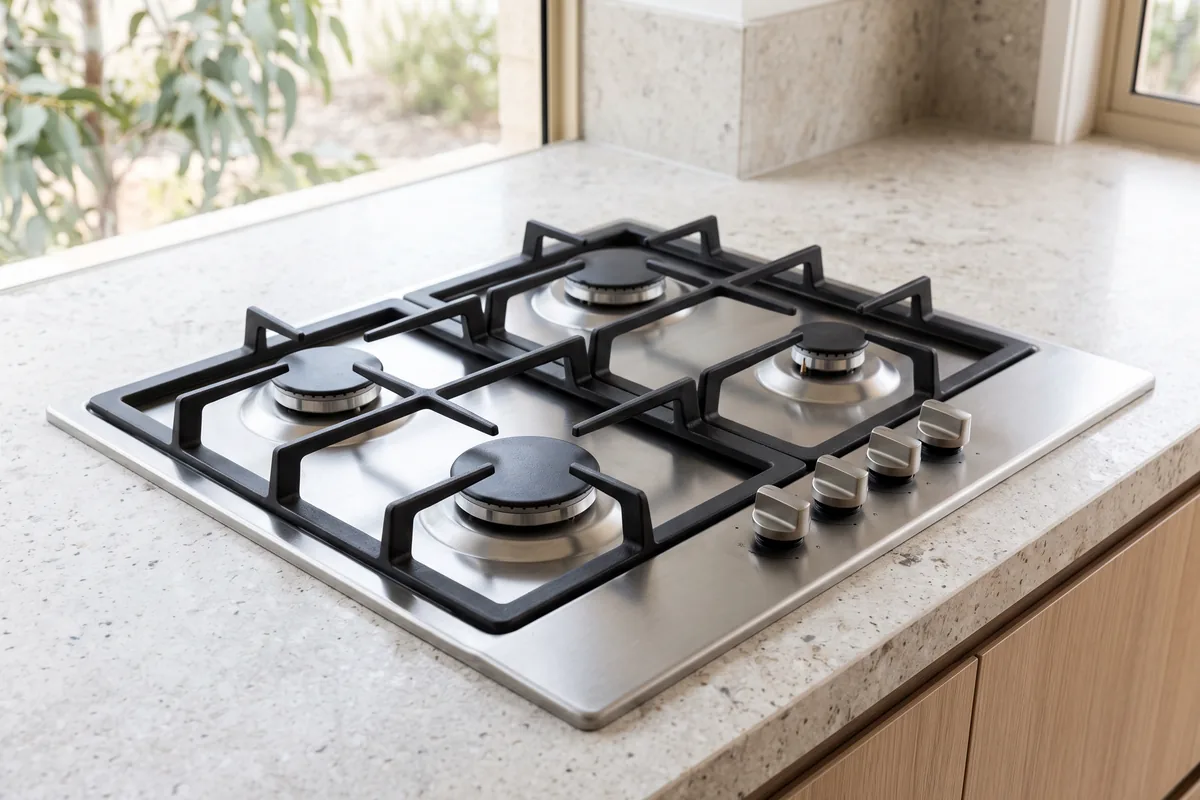
Sometimes. Not always. And never as a DIY job.
Why it's a job for a licensed gasfitter
Because the two gases are supplied at different pressures and burn differently, an appliance built for one can't simply be hooked up to the other. Before anything is touched, a licensed gasfitter has to inspect the appliance, confirm that the manufacturer permits conversion for that model, and work out whether converting it is lawful and practical. Don't change or adjust any part of a gas appliance yourself.
Not every appliance can be converted
Energy Safe Victoria warns that some LPG appliances can't be converted to natural gas at all, and that using the wrong gas in an appliance is dangerous. If the manufacturer doesn't allow a conversion for your model, the answer is a different appliance, not a workaround.
Who can do it
In both NSW and Victoria, conversion and connection work has to be done by an appropriately licensed gasfitter. Energy Safe Victoria says conversions in Victoria need a gasfitter endorsed for that work. In NSW, the gasfitter must give you a certificate of compliance for natural gas work, or a certificate of inspection for bottled gas work.
For gas appliance installation and safety checks, see our gas fitting services.
BBQs and Outdoor Heaters
For a lot of people, the BBQ is where the LPG vs natural gas question first comes up.
Bottle BBQ vs plumbed-in natural gas BBQ
A standard portable BBQ runs off an LPG cylinder you swap or refill. A natural gas BBQ is connected to your home's supply through a fixed gas point. You'll never run out halfway through the snags, but the BBQ lives wherever the gas point is.
Many BBQs come in both an LPG and a natural gas version. Check which one you're buying before it goes in the car.
Converting a BBQ is still gas work
Some BBQ models have a manufacturer-approved conversion kit, but the same rule applies as for any gas appliance: converting it and connecting it to your supply are jobs for a licensed gasfitter. So is putting in a new outdoor gas point for a BBQ or patio heater.
What Affects Your Running Costs
Is LPG or natural gas cheaper to run? There's no one answer. It comes down to your situation, and mainly to these:
- How you pay. A natural gas bill usually combines a daily supply charge with a usage rate. LPG is paid per cylinder refill or tank delivery, sometimes with cylinder or tank hire on top.
- How much you use. A home that only cooks with gas uses far less than one that also heats its water and rooms with it.
- Your retailer and plan. Prices differ between retailers and change over time, so compare current offers for your address.
New homes in Victoria
Building in Victoria? Check the gas rules first. The Victorian Government announced in 2023 that from 1 January 2024, new homes and residential subdivisions that need a planning permit can only connect to all-electric networks. The rule applies to those new developments. It doesn't take gas away from existing homes. For hot water options, our hot water systems team installs gas, electric and heat pump systems.
When to Call a Licensed Plumber and Gasfitter
Call a licensed gasfitter if you:
- Smell gas (after leaving the building and calling 000)
- Want to know whether an appliance can be converted from one gas to the other
- Are installing, moving or connecting a gas cooktop, heater, BBQ point or hot water system
- Aren't sure an appliance matches your gas supply
Need a licensed gasfitter? No call-out fee when you proceed with the repair, available 24/7 across Sydney and Melbourne. Call 1300 138 780.
Final Word
When it comes down to it, which gas you have matters less than whether your appliance matches it. Know your supply, check the data plate, and leave every connection and conversion to a licensed gasfitter. And if you ever smell gas, get out first and call 000.
Need a gas appliance connected or checked, or want to know whether a conversion is even possible? Give us a call on 1300 138 780. Our licensed gasfitters work across Sydney and Melbourne around the clock, with upfront fixed pricing and no call-out fee when you proceed with the repair.
Key Takeaways
- Natural gas is mostly methane piped from the street. LPG is typically propane, supplied in cylinders or a tank.
- Natural gas rises if it leaks. LPG sinks and can collect in low spots.
- Every gas appliance is built and marked for one type of gas. Don't use the wrong one.
- Some appliances can be converted, but not all, and only where the manufacturer permits it.
- Conversion and connection work must be done by an appropriately licensed gasfitter.
- Whether LPG or natural gas costs less depends on your usage, plan and retailer.
- If you smell gas, leave the building and call 000.