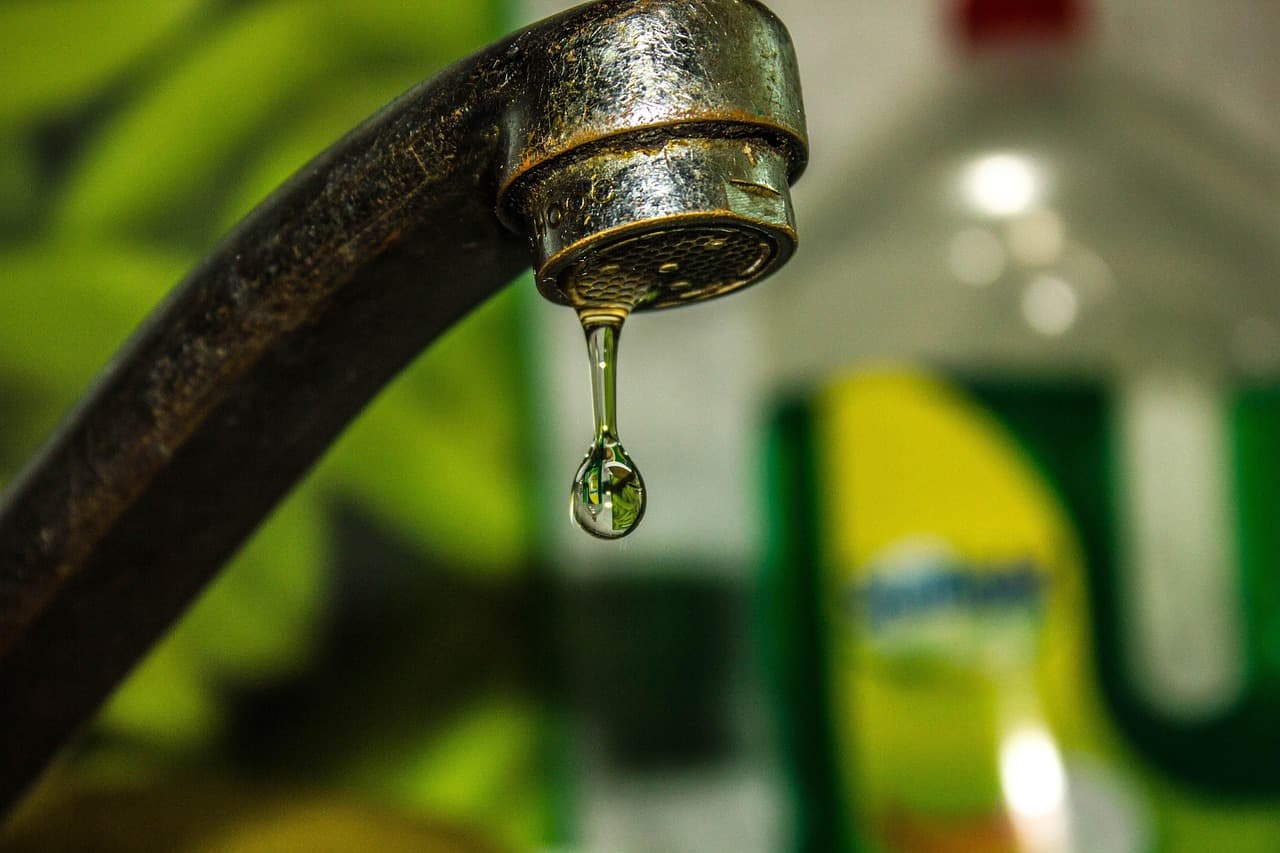
Why You Shouldn't Ignore a Dripping Tap
A single dripping tap losing one drop per second wastes approximately 12,000 litres of water per year. In Sydney, that's around $30 added to your annual water bill per tap. If you have multiple dripping taps, the cost multiplies quickly. A running toilet can waste even more — up to 25,000 litres a year.
Beyond the water bill, a persistent drip can:
- Stain sinks and basins. Hard water deposits leave brown or green marks that become harder to remove over time.
- Encourage mould growth. Constant moisture around the tap base creates ideal conditions for mould, particularly in bathrooms. Left unchecked, this can develop into the kind of problem that requires a water leak investigation.
- Damage tap components. Ignoring a small drip allows the valve seat to erode, turning a $5 washer replacement into a $200+ tap replacement.
The good news is that most dripping taps can be fixed in under an hour with basic tools and parts costing less than $15.
Step 1: Identify Your Tap Type
The repair method depends entirely on the type of tap you have. Australian homes typically feature one of four types:
| Tap Type | Common In | Typical Cause of Dripping | Repair Difficulty |
|---|---|---|---|
| Compression (washer) | Older homes (pre-2000) | Worn rubber washer or damaged seat | Easy |
| Ceramic disc | Most modern homes | Cracked or chipped ceramic disc | Moderate |
| Single-lever mixer | Kitchens and bathrooms | Worn cartridge | Moderate |
| Quarter-turn (ceramic) | Newer builds | Damaged ceramic cartridge or O-ring | Moderate |
Step 2: Gather Your Tools and Parts
For most tap repairs, you'll need:
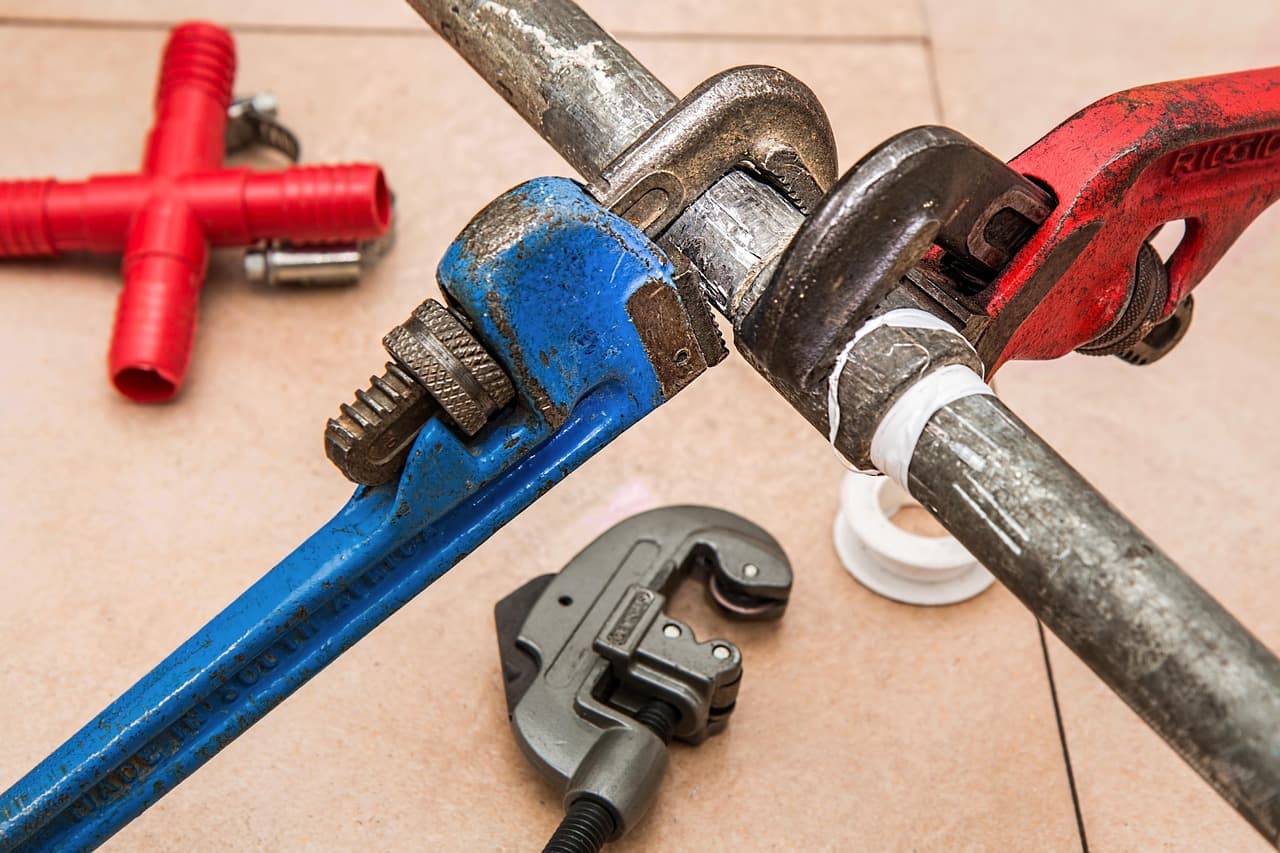
- Adjustable wrench (shifting spanner)
- Flat-head and Phillips-head screwdrivers
- Replacement washers, O-rings, or cartridge (take the old one to Bunnings to match)
- Tap lubricant or plumber's grease
- A cloth or old towel to protect the finish
Important
Before starting any tap repair, locate your water meter (usually near the front boundary of your property) or the isolation tap under the sink and turn the water off. Open the tap to release any residual pressure.
Step 3A: Fixing a Compression (Washer) Tap
Compression taps are the most common in older Sydney homes. They use a rubber washer that presses against a brass seat to stop the flow.
- Remove the handle. Prise off the decorative cap (usually marked H or C), then unscrew the handle screw and lift the handle off.
- Remove the headgear. Use an adjustable wrench to unscrew the bonnet nut (brass hexagonal nut). Wrap the wrench jaws with a cloth to avoid scratching the chrome.
- Replace the washer. The rubber washer sits at the bottom of the spindle, held by a small brass screw or nut. Remove and replace it with a matching washer.
- Inspect the seat. Shine a torch into the tap body and look at the brass seat. If it's pitted or grooved, water will leak past even a new washer. A reseating tool ($20 to $30 from Bunnings) can smooth minor damage. Severely damaged seats need a plumber with a seat grinder.
- Reassemble. Apply a thin coat of plumber's grease to the spindle thread, screw the bonnet nut back on, reattach the handle, and turn the water back on.
Step 3B: Fixing a Ceramic Disc Tap
Ceramic disc taps are the standard in most Australian homes built after 2000. Instead of a rubber washer, they use two ceramic discs that slide against each other.
- Remove the handle. Prise off the cap, remove the screw, and lift the handle.
- Extract the cartridge. Unscrew the retaining nut or collar. The ceramic cartridge should lift straight out.
- Inspect the discs. Look for chips, cracks, or debris on the ceramic faces. Even a tiny chip will cause a drip.
- Replace the cartridge. Ceramic discs can't be repaired, so replace the entire cartridge. Take the old one to the hardware store to ensure you get the correct size and brand.
- Reassemble and test. Re-insert the cartridge, tighten the retaining nut, and refit the handle. Turn the water on slowly and check for leaks.
Tip
Ceramic cartridges are brand-specific. If you can't find the brand name on the tap, take a photo and show it to the staff at your local plumbing supply shop. They'll usually recognise it.
Step 3C: Fixing a Single-Lever Mixer Tap
Mixer taps use a single cartridge that controls both temperature and flow. The cartridge contains either ceramic discs or a ball mechanism.
- Remove the handle. Look for a small grub screw under the lever (usually requires an Allen key). Remove it and lift the lever off.
- Remove the dome and retaining nut. The chrome dome unscrews by hand or with gentle plier pressure. Beneath it is a retaining nut. Unscrew this with an adjustable wrench.
- Pull out the cartridge. It lifts straight up. Note the orientation, as most cartridges have alignment lugs that must face the same way on reinstallation.
- Replace. Install the new cartridge, making sure the alignment lugs sit correctly. Re-tighten the retaining nut, replace the dome, and reattach the lever.
Mixer tap cartridges range from $25 to $60 depending on the brand. Popular brands in Australia include Caroma, Dorf, and Methven.
Common Mistakes to Avoid
Even experienced DIYers can run into trouble with tap repairs. Watch out for these common pitfalls:
- Over-tightening. Cranking the bonnet nut or handle too tight can crack ceramic components or strip threads. Hand-tight plus a quarter-turn with a wrench is usually sufficient.
- Wrong washer size. A washer that's too small won't seal. One that's too large will bunch up. Always take the old washer with you when buying a replacement.
- Forgetting O-rings. If the tap body leaks from the spout base (not the handle), the O-rings around the spout shaft need replacing, not the internal washer.
- Ignoring the seat. A damaged seat will chew through new washers in weeks. Always inspect the seat when you have the tap apart.
- Not turning off the water. This sounds obvious, but failing to shut off the water supply before disassembly is the most common cause of flooded kitchens. If you need help with a kitchen plumbing issue after a mishap, we can help.
When to Call a Licensed Plumber
Some tap repairs go beyond DIY territory.
- You can't find the right cartridge. Some European or imported taps use proprietary cartridges that aren't stocked at standard hardware stores. A plumber will have access to trade suppliers.
- The tap body is corroded. If the brass body is pitted or the thread is stripped, a new tap is the only solution. In NSW, installing a new tap requires a licensed bathroom plumber or kitchen plumber to ensure compliance with AS/NZS 3500.
- Hot water taps. Working on hot water supply lines carries a scald risk. If you're not confident isolating the hot water service, call a professional.
- The drip persists after replacing parts. This often means the valve seat is badly damaged and needs professional reseating or the entire tap body needs replacing.
24/7 Local Plumbers carry a wide range of washers, cartridges, and complete tap sets on every van. Most dripping tap repairs are completed in a single visit with no call-out fee. For urgent issues, our emergency plumbing service is available around the clock. Call 1300 138 780 for a same-day appointment.