How Much Water Does a Running Toilet Waste?
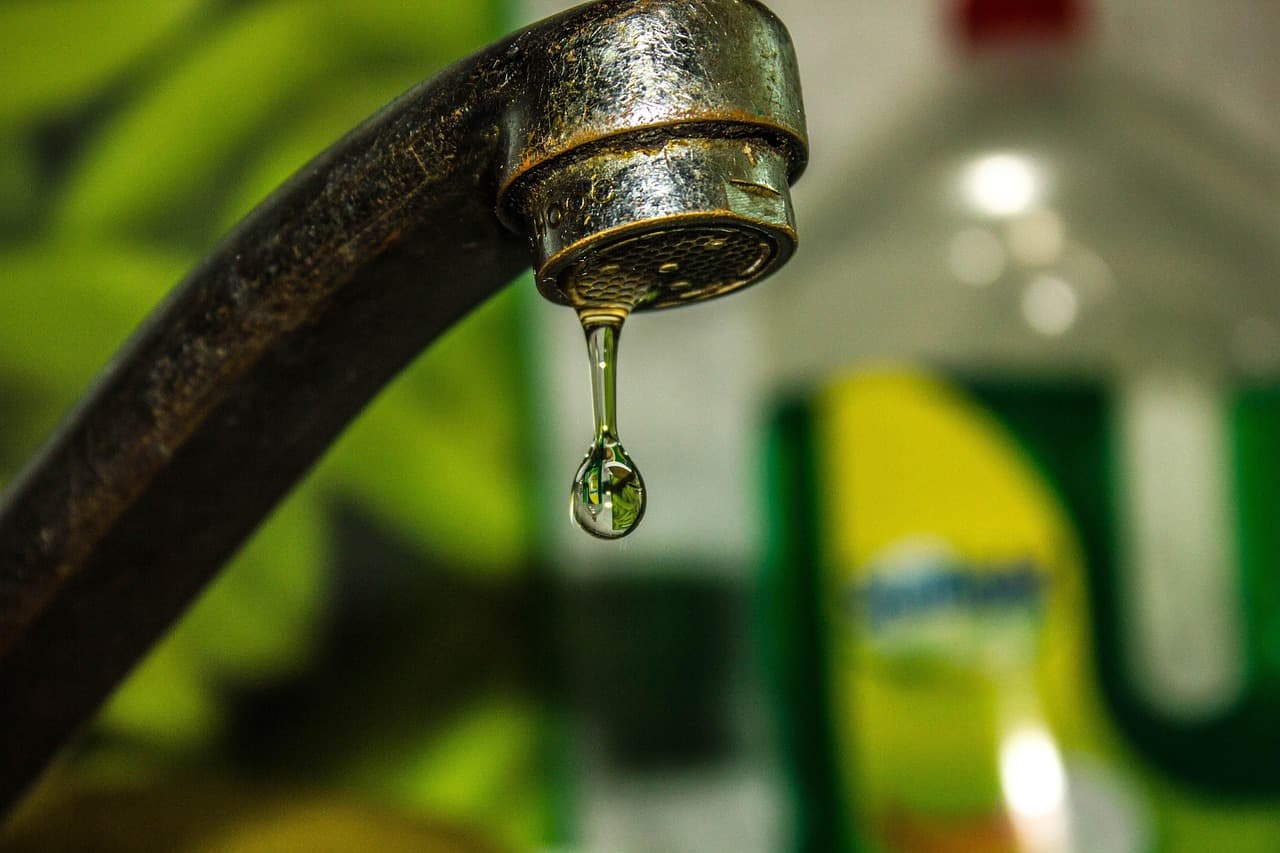
A constantly running toilet isn't just annoying—it's expensive. Depending on the flow rate, a running toilet can waste 25,000 to 100,000 litres of water per year. In Sydney, where water rates sit around $2.50 per kilolitre, that translates to an extra $60 to $250 on your quarterly water bill.
The good news? Most causes of a running toilet are straightforward to diagnose, and many can be fixed with a $15 to $30 part from your local hardware store. Left unchecked, though, a running toilet can lead to the same kind of damage as a hidden water leak.
How a Toilet Cistern Works
Understanding the basic mechanics makes diagnosis much easier. A standard Australian toilet cistern has four key components:
- Fill valve (inlet valve) – Lets water into the cistern after a flush and shuts off when the water reaches the correct level
- Float – A ball or cup that rises with the water level and signals the fill valve to close
- Flush valve/flapper – A rubber seal at the bottom of the cistern that lifts when you press the flush button and reseals to let the cistern refill
- Overflow tube – A safety tube that directs excess water into the bowl if the fill valve fails to shut off
A "running" toilet means water is continuously flowing into the bowl or through the overflow. The fix depends on which component has failed.
Cause 1: Worn or Warped Flapper Valve
The flapper (or flush valve seal) is the most common reason for a running toilet. (If your toilet is also blocked rather than running, that's a different problem — see our separate guide.) Over time, the rubber degrades, warps, or accumulates mineral deposits, especially in areas with hard water.
How to test
Add a few drops of food colouring to the cistern water. Wait 15 minutes without flushing. If the colour appears in the bowl, the flapper isn't sealing properly.
- Turn off the water supply tap (behind or below the cistern)
- Flush to empty the cistern
- Unhook the old flapper from the flush valve
- Take it to your hardware store to match the size and type
- Install the new flapper, turn the water back on, and test
Replacement flappers cost between $10 and $25 and the swap takes about 10 minutes.
Cause 2: Fill Valve Not Shutting Off
If water continues to pour into the cistern after it should be full, the fill valve is likely faulty. You'll usually hear a constant hissing sound.
How to test
Lift the float arm (or press the float cup upward). If the water stops running, the float level needs adjusting. If it doesn't stop, the fill valve itself needs replacing.
- On a ball-float system, bend the brass arm downward slightly so the float triggers the valve sooner
- On a cup-float system, pinch the spring clip on the float rod and slide the cup downward by about 1 cm
- Turn off the water supply and flush the cistern
- Disconnect the water supply hose from the base of the fill valve
- Unscrew the lock nut securing the fill valve and lift it out
- Install the new valve, reconnect the hose, and adjust the float height so the water level sits about 2 cm below the overflow tube
Universal fill valves cost around $20 to $40 at any hardware store.
Cause 3: Water Level Set Too High
If the water level in the cistern is set above the overflow tube, water constantly trickles into the bowl. This is technically a fill valve adjustment issue but is easy to overlook.
How to test
Remove the cistern lid and check the water level. It should sit about 2 cm below the top of the overflow tube. If water is flowing into the tube, the level is too high.
How to fix: Adjust the float as described in Cause 2 until the water stops about 2 cm below the overflow.
Cause 5: Cracked Overflow Tube or Cistern
Less common but worth checking: a hairline crack in the overflow tube or the cistern itself will cause continuous water loss.
How to test
Dry the outside of the cistern completely, then inspect for moisture. A crack in the overflow tube will be visible once you remove the lid.
How to fix: A cracked overflow tube can sometimes be replaced independently. A cracked cistern usually means replacing the entire toilet suite, which is a job for a licensed bathroom plumber.
Quick Diagnosis Table
Use this table to match your symptom to the likely cause:
| Symptom | Likely Cause | DIY Fix | Professional Help? |
|---|---|---|---|
| Water trickles into bowl silently | Worn flapper valve | Replace flapper ($10–$25) | No |
| Constant hissing from cistern | Fill valve not closing | Adjust float or replace valve | Usually no |
| Water flows into overflow tube | Water level set too high | Lower the float by 1–2 cm | No |
| Button doesn't spring back | Stuck flush button | Clean or replace button kit | No |
| Water on floor near cistern | Cracked cistern or seals | Replace seals; cistern may need replacing | Yes, if cistern is cracked |
| Running resumes minutes after flush | Flapper or flush valve seat damaged | Replace flapper; sand valve seat | If seat is corroded |
When to Call a Professional Plumber
While most running-toilet fixes are DIY-friendly, there are situations where professional help saves time and money:
- You've replaced the flapper and fill valve but the toilet still runs. The flush valve seat may be corroded and need machining or full replacement.
- The cistern is cracked. A new toilet suite installation requires waterproofing and plumbing connections that must comply with AS/NZS 3500.
- You're not comfortable working with water supply connections. There's no shame in calling a professional. A small leak at a supply connection can cause significant water damage if not sealed correctly.
If the problem is urgent or happening outside business hours, our emergency plumbing service is available around the clock. Sometimes a running toilet is also a symptom of a deeper issue in your drainage system, especially in older Sydney homes where tree roots can interfere with drain lines.
24/7 Local Plumbers fix running toilets across Sydney every day. We carry common replacement parts on our vans so most repairs are completed in a single visit. $0 call-out fee. Call 1300 138 780 any time.