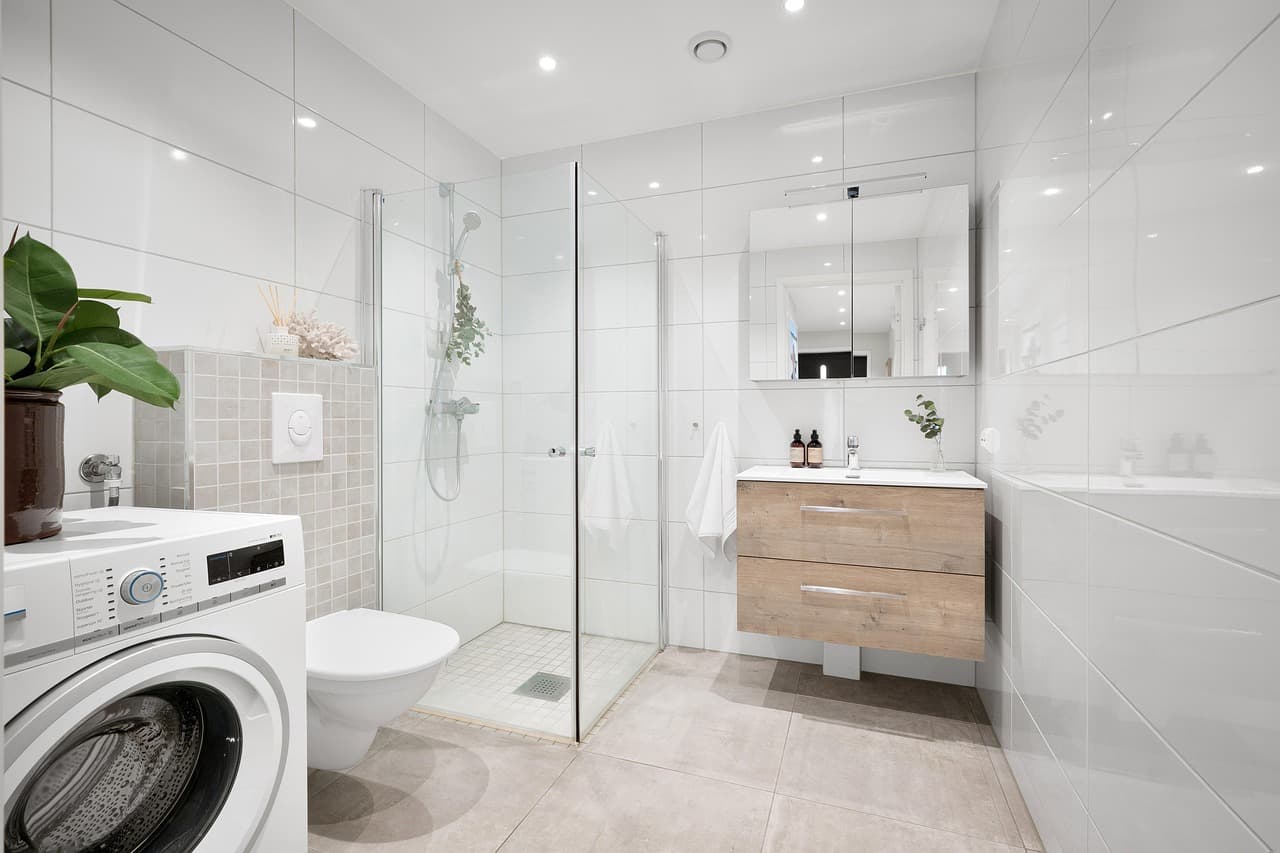
Why Do Toilets Block in the First Place?
A blocked toilet is one of the most common plumbing problems Australian homeowners deal with. It's also one of the most stressful, especially when it happens at night or on a weekend. Before you reach for the phone, it helps to understand why the blockage happened so you can choose the right fix.
Most household toilet blockages fall into one of three categories:
- Too much toilet paper. This is the single biggest culprit, especially with thicker multi-ply brands that don't break down quickly.
- Non-flushable items. Wet wipes (even those labelled "flushable"), cotton buds, sanitary products, and children's toys are all common offenders.
- Partial drain blockage. A build-up of waste, mineral scale, or tree roots further down the line restricts the flow and causes backups. Our guide on blocked drain causes and solutions covers this in detail.
If the water is rising but draining slowly, there's a good chance one of the DIY methods below will clear it. If the bowl overflows or the blockage keeps coming back, the issue is likely deeper in the drain and you'll want to call a licensed plumber.
Before You Start: Safety and Preparation
Working on a blocked toilet doesn't require special tools, but a little preparation goes a long way.
- Turn off the water supply. Find the isolation tap behind or beside the toilet and turn it clockwise. This stops the cistern from refilling and prevents the bowl from overflowing while you work.
- Protect the floor. Lay old towels or newspaper around the base of the toilet to catch any splashes.
- Ventilate the room. Open a window or switch on the exhaust fan, particularly if you'll be using hot water or cleaning products.
- Wear rubber gloves. A pair of long dishwashing gloves will keep things hygienic.
With those basics sorted, let's get into the six methods that work without a plunger.
Method 1: Hot Water and Dish Soap
This is the easiest and most effective first attempt. The combination of heat and surfactant softens the blockage and lubricates the drain.
- Squirt a generous amount of liquid dish soap (roughly half a cup) into the toilet bowl.
- Boil a kettle, then let it cool for about 30 seconds. You want hot water, not boiling, which can crack porcelain.
- Pour the hot water into the bowl from waist height so it creates pressure.
- Wait 10 to 15 minutes. The soap breaks down grease and the heat softens the blockage.
- Flush. If the water drains, you're done.
Tip
If the bowl is already full, bail out some water first so the hot water has room to work without overflowing.
Method 2: Baking Soda and Vinegar
The classic science-fair volcano reaction is surprisingly effective on organic blockages.
- Add one cup of baking soda (bicarb soda) to the bowl.
- Slowly pour in two cups of white vinegar. The fizzing action helps break up the clog.
- Let the mixture work for 20 to 30 minutes.
- Follow up with a kettle of hot (not boiling) water poured from waist height.
- Flush to test.
This method works best on paper-based blockages. It won't dissolve hard objects like toys or large clumps of wet wipes.
Method 3: Wire Coat Hanger
When the blockage is close to the bowl opening, a DIY drain snake made from a wire coat hanger can physically break it up.
- Unwind a wire coat hanger and straighten it, leaving a small hook at one end.
- Wrap the hook end in a rag secured with tape to protect the porcelain from scratches.
- Insert the wrapped end into the drain opening and gently push and twist.
- Once you feel the blockage, work the wire back and forth to break it apart.
- Flush with hot water to clear the debris.
Caution
Don't force the hanger. If it won't move past the first bend in the trap, the blockage is too deep for this method.
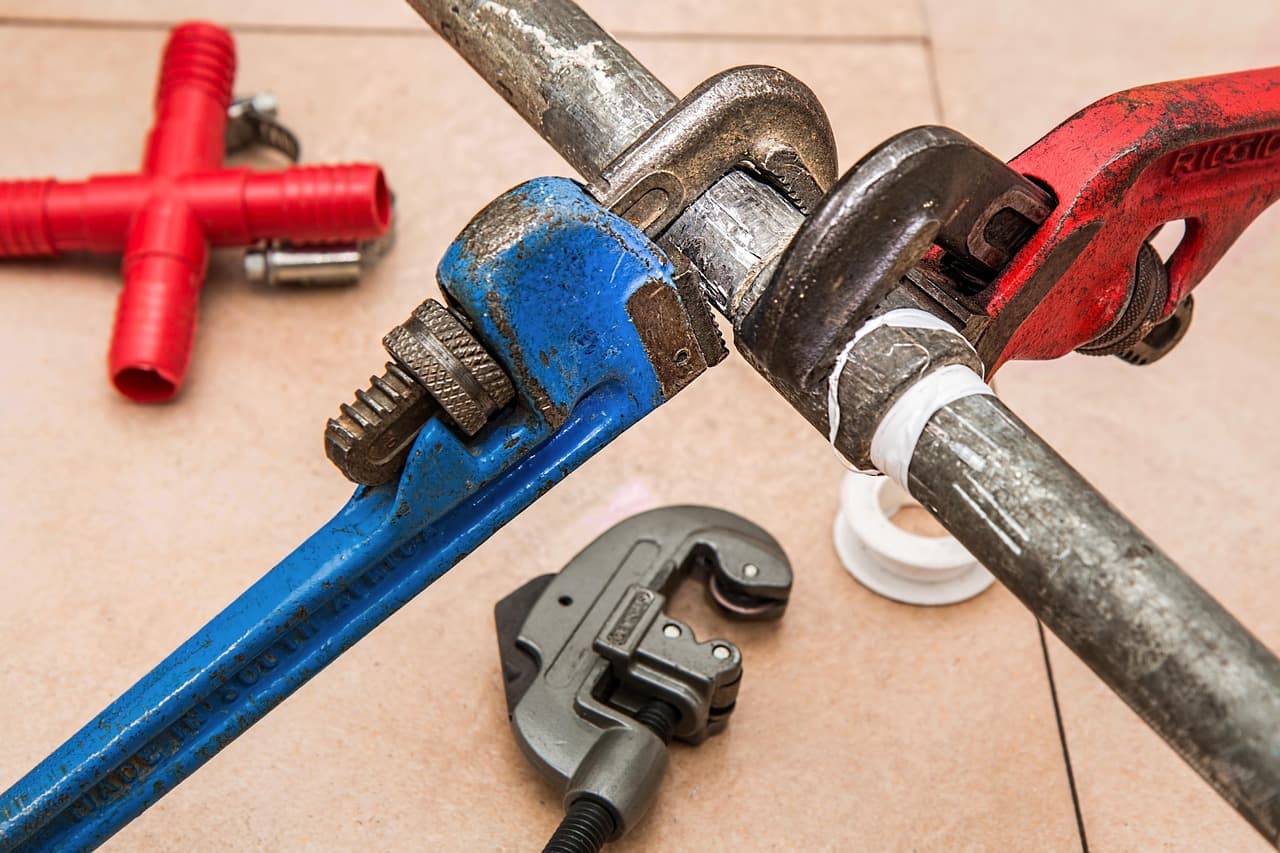
Method 4: Plastic Bottle Pressure
No plunger? A large plastic bottle (1.5 L or 2 L) can create a similar pressure effect.
- Fill the bottle with warm water and place your thumb over the opening.
- Position the bottle opening into the drain hole at the bottom of the bowl.
- Squeeze the bottle firmly to push a burst of water into the drain.
- Repeat several times. The sudden pressure can dislodge a stubborn clog.
This is a messier method, so make sure you're wearing gloves and have towels on the floor.
Method 5: Epsom Salts or Bath Bomb
If you have Epsom salts or a fizzy bath bomb lying around, they can help with minor blockages.
- Drop a generous handful of Epsom salts, or a whole bath bomb, into the bowl.
- The fizzing reaction agitates the water and can loosen soft blockages.
- Wait 15 minutes, then flush.
This method is mild and works best as a complement to the hot water and soap method above.
Method 6: Enzyme-Based Drain Cleaner
For recurring slow-draining toilets, an enzyme-based drain cleaner is a safer long-term option than harsh chemical drain cleaners.
- Look for products containing bacterial or enzyme-based formulas (available at Bunnings or Coles).
- Pour the recommended dose into the bowl before bed and let it work overnight.
- Flush in the morning.
Enzyme cleaners break down organic matter without corroding your pipes. This is an important consideration for older homes with clay or cast-iron drains, which are common across Sydney. If you're dealing with a running toilet as well as a blockage, that's a separate issue worth investigating.
Avoid
caustic chemical drain cleaners (sulphuric acid or sodium hydroxide). They can damage PVC joints, corrode old pipes, and pose a serious safety risk if splashed.
Method Comparison at a Glance
Not sure which method to try first? Here's a quick comparison:
| Method | Difficulty | Items Needed | Best For |
|---|---|---|---|
| Hot Water & Dish Soap | Easy | Kettle, dish soap | Soft / paper-based clogs |
| Baking Soda & Vinegar | Easy | Bicarb soda, white vinegar | Organic build-up |
| Wire Coat Hanger | Moderate | Wire hanger, rag, tape | Blockages near the bowl opening |
| Plastic Bottle Pressure | Moderate | Large plastic bottle | Stubborn clogs needing pressure |
| Epsom Salts / Bath Bomb | Easy | Epsom salts or bath bomb | Minor slow-drain issues |
| Enzyme Drain Cleaner | Easy | Enzyme-based product | Recurring partial blockages |
When to Call a Licensed Plumber
DIY methods handle most one-off blockages, but some situations need professional equipment.
- The blockage keeps coming back. Recurring clogs usually indicate a problem further down the drain line, such as tree root intrusion or a collapsed pipe. That's a job for a blocked drain specialist.
- Multiple fixtures are affected. If your shower, basin, and toilet are all draining slowly, the main sewer line may be blocked and you'll need professional drainage solutions.
- Sewage smell or gurgling. These are signs of a venting issue or a serious blockage that needs CCTV drain inspection.
- You suspect a foreign object. A plumber with an electric eel or hydro-jet can retrieve items without damaging the pipes.
At 24/7 Local Plumbers, we attend blocked toilet callouts across Sydney day and night with $0 call-out fees and a lifetime labour guarantee. If your DIY fix doesn't work, our emergency plumbing service is available around the clock — call 1300 138 780.