What Causes a Blocked Drain?
You flush, and the water rises a little too slowly. The shower starts pooling around your feet. Then one morning the bathroom smells like a sewer and you're standing there wondering how a small inconvenience became a full plumbing problem.
That's how blocked drains work. They don't announce themselves. They build quietly over weeks or months until the warning signs are impossible to ignore.
Blocked drains are one of the most common plumbing issues in Sydney homes, and the causes vary a lot depending on where the drain is and what's been going into it. Kitchen drains block differently to bathroom drains, and an outside sewer line is a different situation again. This guide covers all of it: causes, warning signs, DIY fixes that actually work, how to handle a blocked outside drain, and when it's time to call a licensed plumber.
Not all blockages are the same, and the right fix depends on understanding what caused the problem.
Grease and Fat Buildup
Kitchen drains are the most common source of grease blockages. Fat and cooking oil go down the sink as a liquid, then cool inside the pipe, solidify, and start coating the pipe walls. Over time, food particles stick to that coating and the whole thing builds into a dense, stubborn clog that hot water alone won't shift. Pouring fat or oil down the sink is one of the fastest ways to create a recurring kitchen plumbing problem. We see it constantly in homes across Sydney's western suburbs, where older pipe layouts give grease more places to collect.
Hair and Soap Scum
Bathroom drains are usually brought down by a combination of hair and soap residue. Hair tangles inside the pipe, soap scum binds it together into a mat, and flow gets restricted bit by bit. The first sign is almost always a shower that drains just a little slower than it used to. Easy to ignore. Harder to fix once it's fully blocked.
Tree Root Intrusion
Tree roots are one of the leading causes of serious blockages in established Sydney suburbs, particularly older areas like the Inner West, Hills District, and North Shore. Roots naturally chase moisture. Even a hairline crack in an underground pipe is enough of an entry point. Once inside, they grow. They spread. They fill the pipe. This kind of blockage can't be cleared with anything from your kitchen cupboard. It needs mechanical root cutting or pipe relining, full stop.
Foreign Objects and Wet Wipes
Wet wipes, cotton pads, sanitary products, and nappies are a growing cause of serious sewer blockages. Despite what the packaging sometimes claims, these items don't break down in pipes. As Sydney Water's campaign on fatbergs makes clear, they bind together with grease and debris to form dense, solid masses large enough to block entire sections of sewer line.
Collapsed or Damaged Pipes
Older Sydney homes, particularly those built before the 1980s, often have clay or cast-iron drain pipes. These materials crack, corrode, and collapse over time. A damaged or misaligned section creates a low point where debris collects, and blockages form there repeatedly. Clearing the clog without fixing the pipe just means you'll be back to the same problem in a few months.
Warning Signs You Have a Blocked Drain
Catching a blockage early is significantly easier and cheaper than dealing with a full backup. Here's what to watch for.
Slow Draining Water
The earliest warning sign, and the most overlooked. If your sink, shower, or bath is taking noticeably longer to empty, something is building up in the pipe. Don't write it off as normal.
Gurgling Sounds
That gurgling noise after you flush or run the sink is air being displaced by a partial blockage deeper in the pipe. If you hear it from multiple fixtures at the same time, the blockage is likely in the main drain line rather than one branch pipe. That's a more serious situation.
Foul Odours
A persistent smell from a drain, even one you haven't used recently, usually means organic matter is decomposing inside the pipe. A sewage smell specifically points to a blockage in the sewer line. Don't reach for the air freshener. Find the source.
Water Backing Up or Overflowing
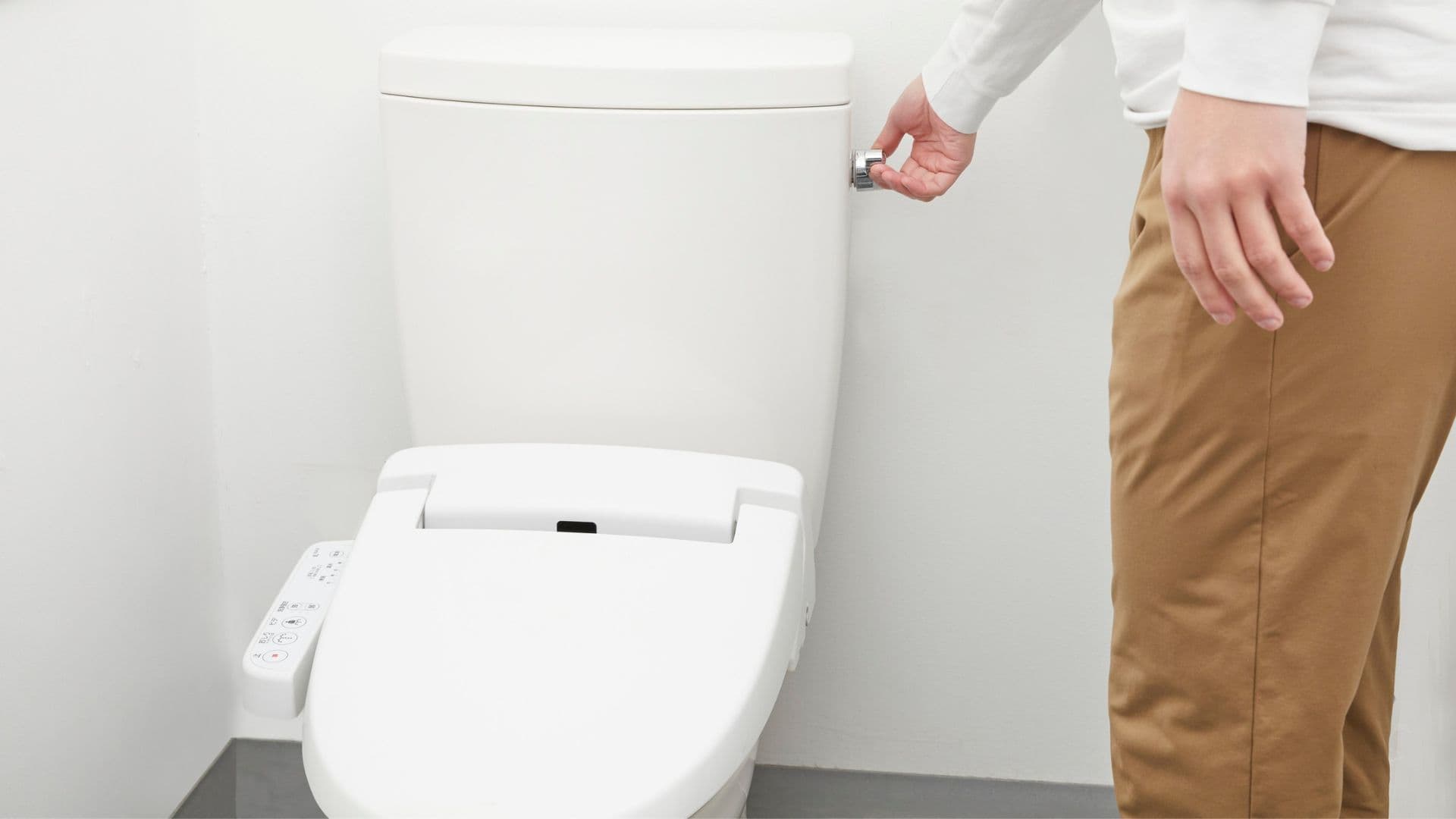
When water starts coming back up through a drain or overflowing from a fixture, the pipe is blocked enough to stop drainage entirely. If it's your toilet, our guide on how to fix a blocked toilet covers the immediate steps. If multiple fixtures are affected at once, you're looking at a blockage in the main sewer line, which needs professional attention.
How to Unblock a Drain Yourself
For minor blockages caused by hair, soap scum, or light grease, there are a few things worth trying before calling a plumber.
Bicarb Soda and Vinegar: What It Can and Cannot Do
Bicarb soda and vinegar is one of those remedies that's partially right and mostly oversold. (It also works for unblocking a toilet without a plunger — same principle, different application.)
What it's actually good for: slow-moving drains with light soap scum, grease film, or organic buildup. The fizzing reaction helps loosen soft grime from pipe walls and can restore flow in a drain that's sluggish rather than blocked. It's genuinely useful as a monthly maintenance flush. Cheap, non-toxic, and already in most kitchen cupboards.
What it won't fix: a fully blocked drain. If water is backed up and sitting there, bicarb and vinegar isn't going to shift it. Solid grease clogs, tree roots, foreign objects, pipe damage: none of these respond to a fizzy chemical reaction.
How to use it:
- Remove any visible debris from the drain opening.
- Pour 1 cup of bicarb soda directly into the drain.
- Follow with 1 cup of white vinegar. The mixture will fizz.
- Cover the drain loosely and leave for 15–30 minutes.
- Flush with a full kettle of hot (not boiling) water.
Tip
Treat this as regular maintenance every four to six weeks rather than a fix for an active blockage. Bunnings sells purpose-made enzyme drain cleaners in the cleaning aisle that work on the same principle but with more staying power.
Dish Soap and Hot Water
For greasy kitchen sink blockages, this often works better than bicarb and vinegar. Squirt a generous amount of dish soap into the drain, then slowly pour in a full kettle of very hot water. The soap breaks down the grease while the hot water flushes it through. Repeat two or three times for stubborn clogs.
Caution
Skip the boiling water if you have PVC pipes or porcelain fixtures. Very hot tap water does the job without the risk of damage.
Plunger
A plunger works on sink and shower drains, not just toilets. Block the overflow opening with a wet cloth first to build suction, then pump firmly over the drain 10–15 times and lift sharply. Repeat until the blockage shifts.
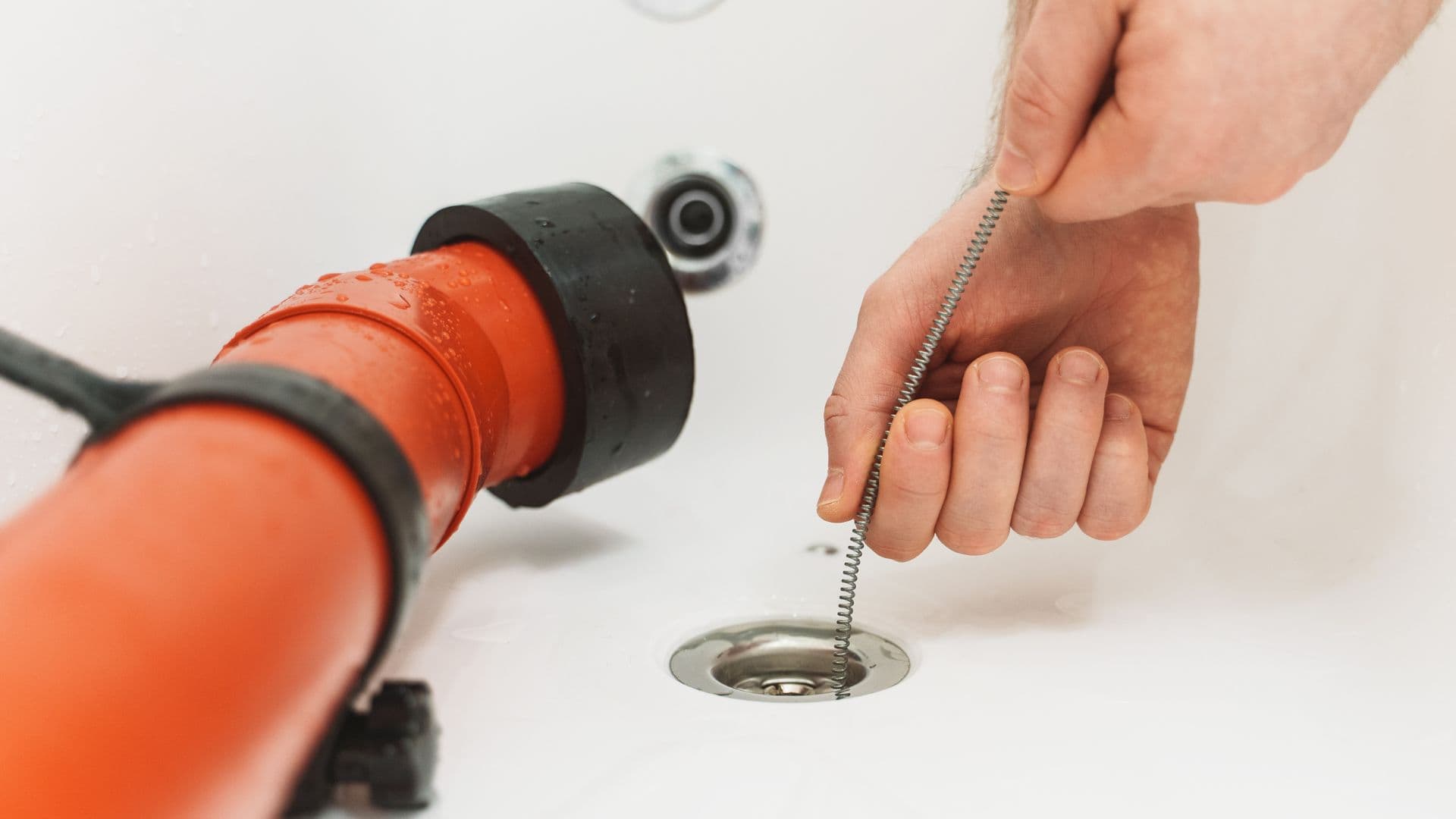
Drain Snake or Wire Hanger
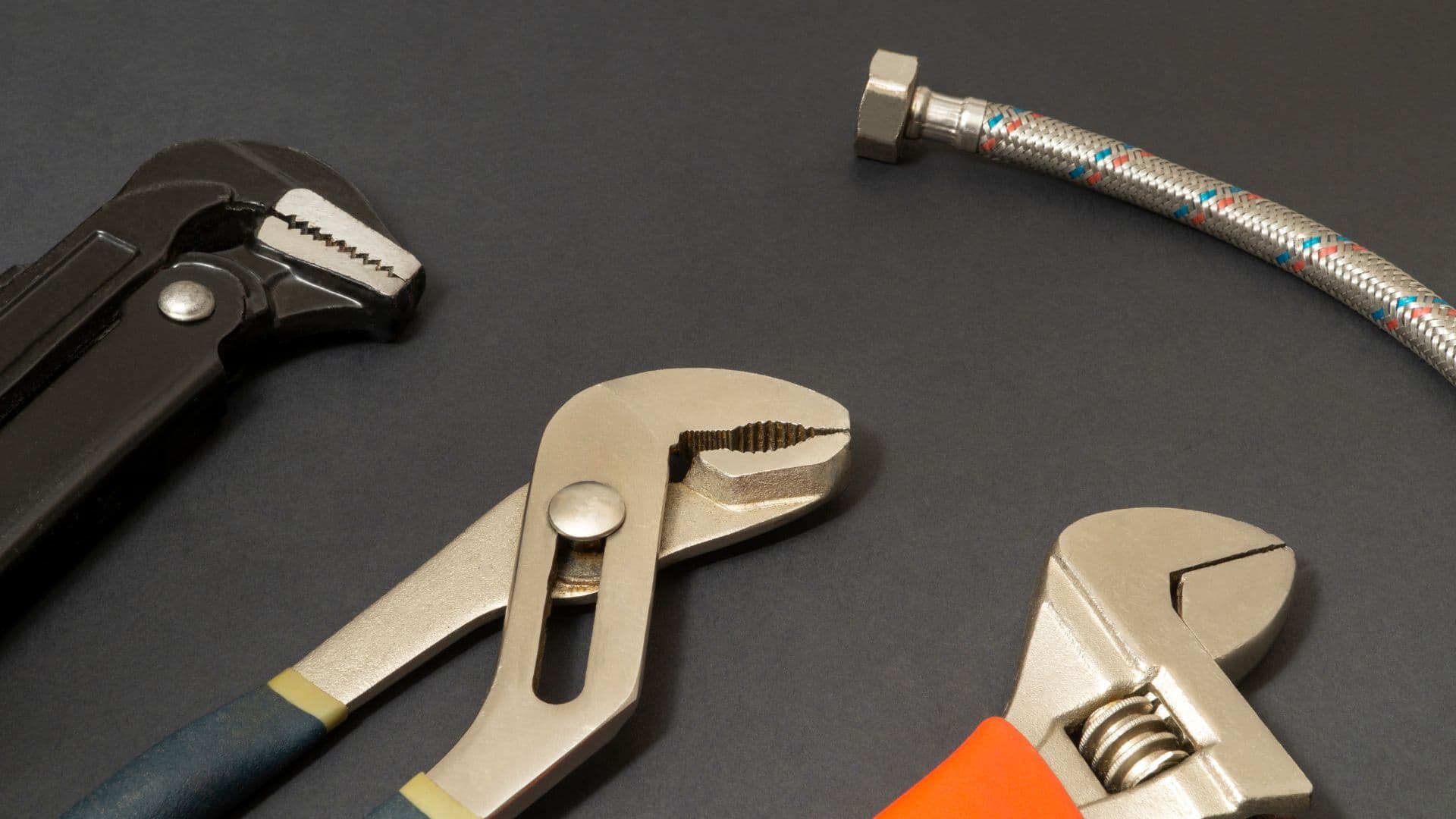
For hair blockages sitting near the drain surface, physically pulling the clog out beats any liquid method. A drain snake from Bunnings is the clean option. A straightened wire coat hanger with a small hook bent at the end does the same job in a pinch. Feed it in, feel for the clog, and pull it out slowly. Not glamorous, but effective.
DIY Method Comparison
| Method | Best For | Effectiveness |
|---|---|---|
| Bicarb soda + vinegar | Slow drains, odours, maintenance | Low–Moderate |
| Dish soap + hot water | Grease buildup in kitchen sink | Moderate |
| Plunger | Partial blockages | Moderate–High |
| Drain snake / wire hanger | Hair clogs near drain surface | High |
| Licensed plumber | Full blockages, roots, damaged pipes | Guaranteed |
How to Unblock an Outside Drain
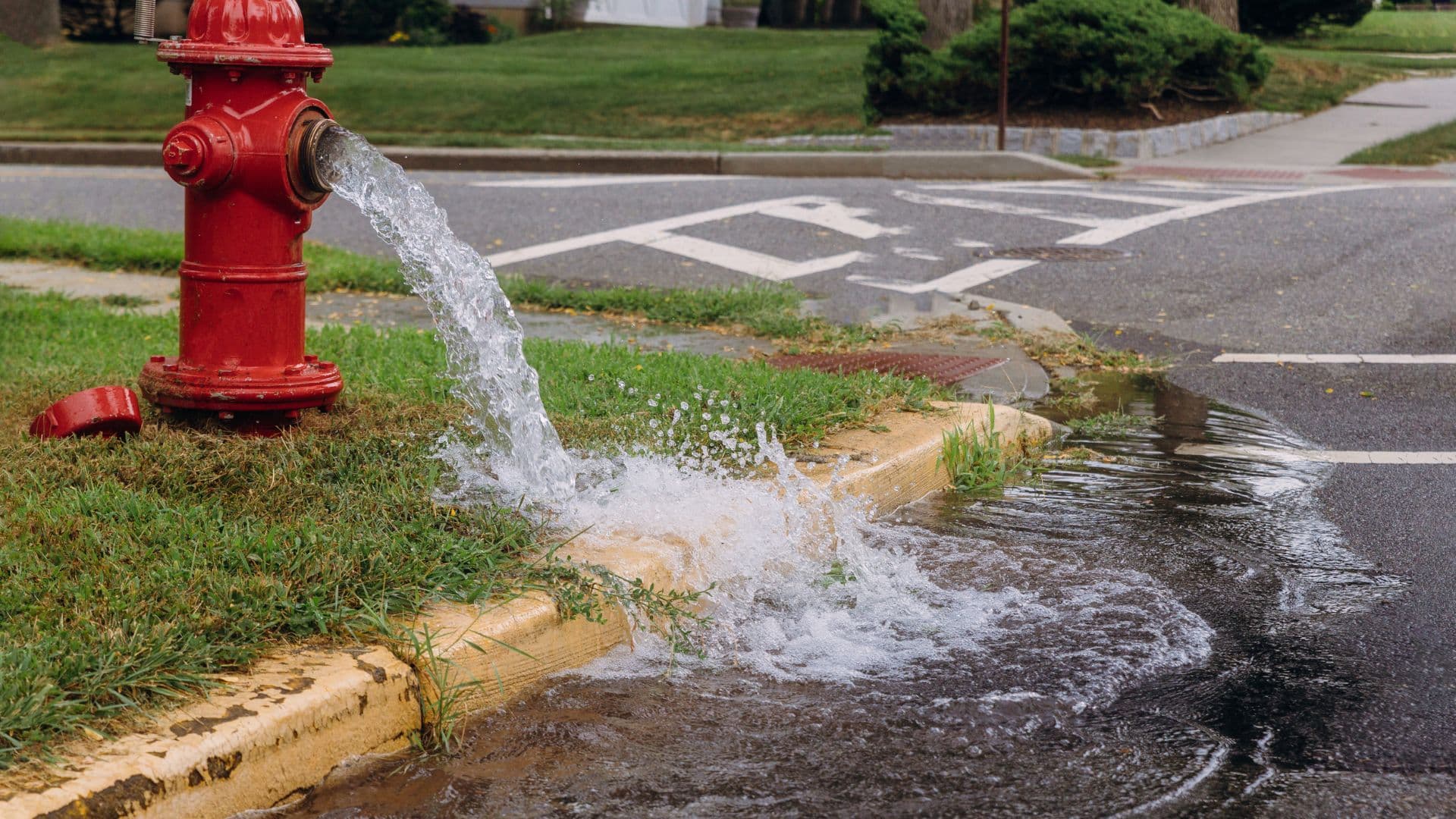
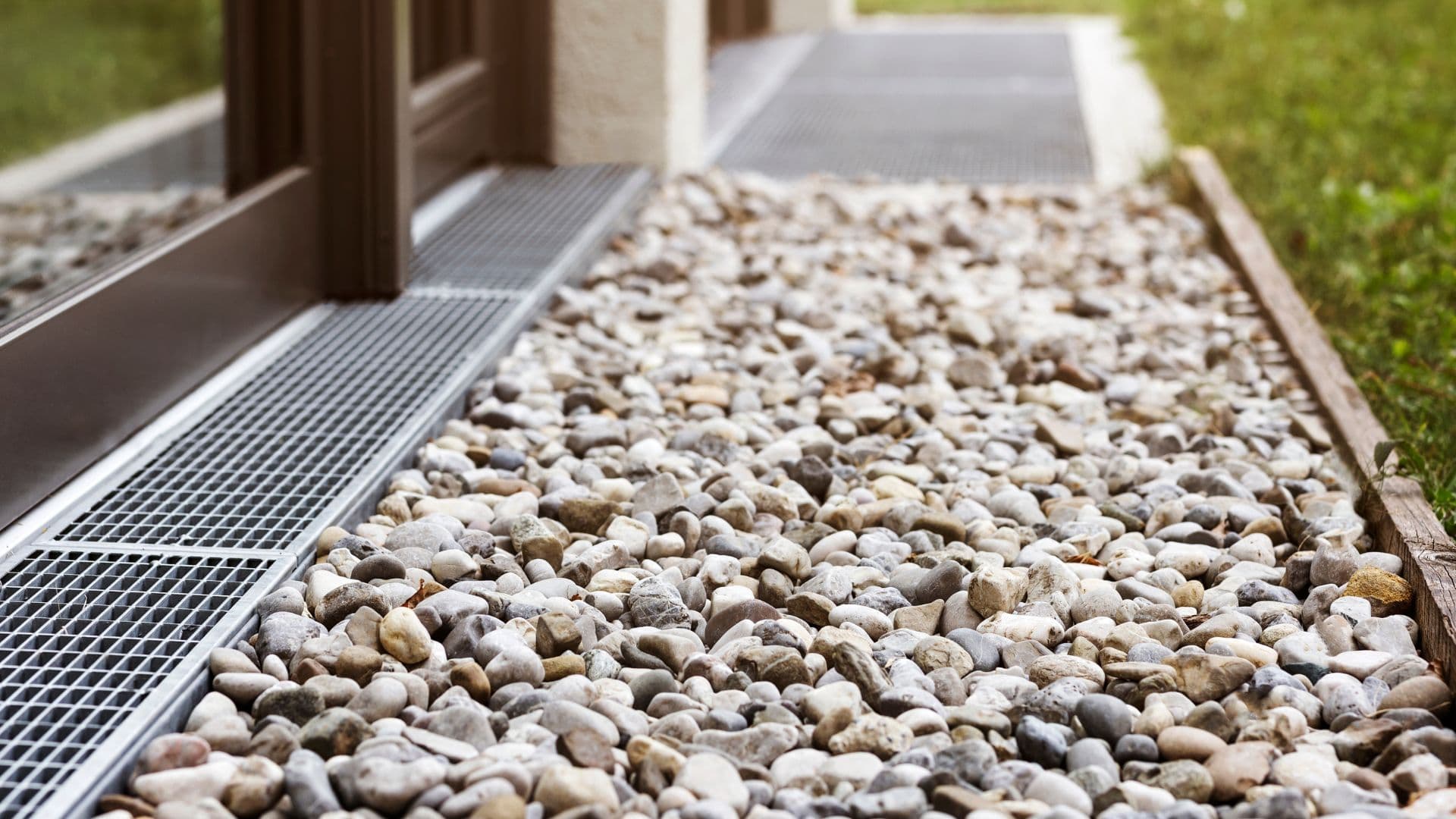
A blocked outside drain tends to make itself known fast. Water pools in the yard, backs up from a gully trap, or sits in a stormwater pit well after rain has stopped.
Common Causes of Blocked Outside Drains
- Leaves, twigs, and garden debris blocking the grate or filling the drain
- Sediment and soil washing in during heavy rain
- Tree roots infiltrating underground sewer or stormwater pipes
- Cracked or collapsed pipes in older properties
DIY Steps for a Blocked Outside Drain
- Put on rubber gloves, lift the drain grate, and remove any visible debris by hand.
- Flush with a garden hose and watch whether the flow improves.
- If it's still slow, a drain rod (available from Bunnings or most hardware stores) can break up a blockage further down the pipe.
- Keep the grate and surrounding area clear of leaves after wind or heavy rain. Most surface-level outside drain blockages are just debris sitting on top.
Avoid: Never pour chemicals, paint, or garden fertilisers into a stormwater drain. Stormwater flows directly into local waterways without any treatment, and it is illegal in many areas to discharge anything other than rainwater into the stormwater system.
When Outside Drain Blockages Need a Plumber
If the drain doesn't respond to manual clearing, or if water is overflowing despite a clear grate, the blockage is underground. Tree root intrusion and collapsed pipes need a CCTV camera to diagnose properly. A drain that keeps blocking in the same spot every few months isn't bad luck. There's an underlying problem that clearing alone won't fix. Our outdoor drainage services cover all types of outside drain issues across Sydney.
Professional Blocked Drain Solutions
When DIY methods don't cut it, licensed plumbers use equipment that can locate and clear blockages that no home remedy can touch.
CCTV Drain Inspection
A small waterproof camera feeds through the pipe and shows exactly what's causing the blockage and where. No guesswork. The plumber sees a live image of the blockage and chooses the right tool to clear it. For recurring blockages or suspected pipe damage, CCTV inspection is usually the first step.
High-Pressure Hydro Jetting
A high-pressure water jet (typically 4,000–5,000 PSI) blasts away grease, debris, and even tree roots. Unlike a plunger or drain snake, which just punch a hole through the blockage, hydro jetting cleans the entire pipe wall. The result is a thoroughly cleared pipe rather than a temporary fix that blocks again in a fortnight.
Mechanical Root Cutting
For tree root intrusion, a mechanical cutter is fed into the pipe to shred and remove the roots. It restores flow quickly. That said, if the pipe is cracked or damaged, the roots will grow back unless the pipe is repaired or relined at the same time.
Pipe Relining
Where a pipe is cracked, corroded, or partially collapsed, pipe relining is a permanent fix without digging. For yard drainage issues caused by waterlogged soil rather than blocked pipes, a French drain may be a better solution. A resin-saturated liner is fed into the existing pipe, inflated, and left to harden into a smooth new pipe within the old one. It can add decades to a drain's lifespan and is far less disruptive than excavating and replacing the pipe entirely.
When to Call a Blocked Drain Plumber in Sydney
Most minor blockages are manageable at home. These situations need a licensed plumber:
- The blockage won't clear after two or three DIY attempts
- The same drain keeps blocking every few weeks or months
- Multiple fixtures are slow or blocked at the same time
- Water or sewage is backing up into the house
- There's a persistent sewage smell that isn't clearing
- You're hearing gurgling from drains you haven't used recently
- The blocked drain is underground or in an outside sewer line
As NSW Fair Trading advises, all drainage work beyond basic maintenance must be carried out by a licensed plumber. Attempting to clear a deep or structural blockage without the right equipment can damage older pipes and push the problem further into the system.
247 Local Plumbers is available 24 hours a day, 7 days a week across Sydney and Melbourne. We carry CCTV drain cameras on every van and charge $0 call-out fee. Call 1300 138 780 or book online.
If you need an urgent drain callout because sewage is backing up or water is overflowing, we aim to have a licensed plumber at your door within the hour.
How to Prevent Blocked Drains
Most blockages are caused by habits that are simple to change. A few small adjustments can save a lot of mess.
In the kitchen:
- Never pour fat, oil, or grease down the sink. Let it cool, then scrape it into the bin.
- Use a drain strainer to catch food scraps. A cheap one from Coles or Woolworths does the job.
- Run hot water down the sink after washing greasy dishes to keep the pipe walls clear.
In the bathroom:
- Fit hair catchers over shower and bath drains. They cost a few dollars at Bunnings and prevent the single most common cause of bathroom blockages.
- Bin cotton pads, wipes, and sanitary products. None of them belong in the toilet regardless of what the packaging says.
- A monthly maintenance flush with bicarb soda and hot water keeps things fresh and flowing.
For outside drains:
- Clear leaves and garden debris from grates regularly, particularly after windy weather or heavy rain.
- If you have large trees near drain lines, ask a plumber about a root barrier or schedule a CCTV check every few years. In older Sydney suburbs with clay pipes, catching root intrusion early is far cheaper than dealing with a full blockage later. Homes in areas like Canterbury-Bankstown and Sutherland Shire with established trees should schedule regular checks.
Wrapping Up
Blocked drains run the full range, from a slow shower drain you can fix in five minutes to a collapsed sewer line that needs professional repair. The key is knowing which one you're dealing with before you start throwing solutions at it. DIY methods are worth trying for minor blockages. Recurring problems, multiple fixtures, and sewage smells are signals to stop and call a licensed plumber.
At 247 Local Plumbers, we clear blocked drains across Sydney every day, with $0 call-out fee and upfront fixed pricing before any work starts. Call 1300 138 780 and we'll have someone with you fast.