What Is a Boundary Trap?
For a lot of people, the first time they hear the words "boundary trap" is from a plumber standing in the front yard. Every drain in the house has slowed to a crawl, the gully out the back might be overflowing, and the blockage turns out to be somewhere near the front fence.
It's a fitting buried on the sewer pipe of many older homes. You can live in a house for decades and never see it, because the only part above ground is a capped pipe.
So here's what it does, how to find out whether your home has one, why they block, and who looks after them in Sydney and in Melbourne. It's from the licensed plumbers at 24/7 Local Plumbers.
A water seal near your connection to the sewer
A boundary trap is a U-shaped bend in your private sewer pipe, usually close to the front or rear boundary where your pipes meet the public sewer. Like the bend under a sink, it holds a little water. That water seal stops gases from the public sewer drifting back up into your home's pipes.
Sydney Water's guide to sewer service diagrams describes it as a fitting below the ground at your connection to its wastewater system, there to stop gases getting into your pipes.
The inspection opening you can see
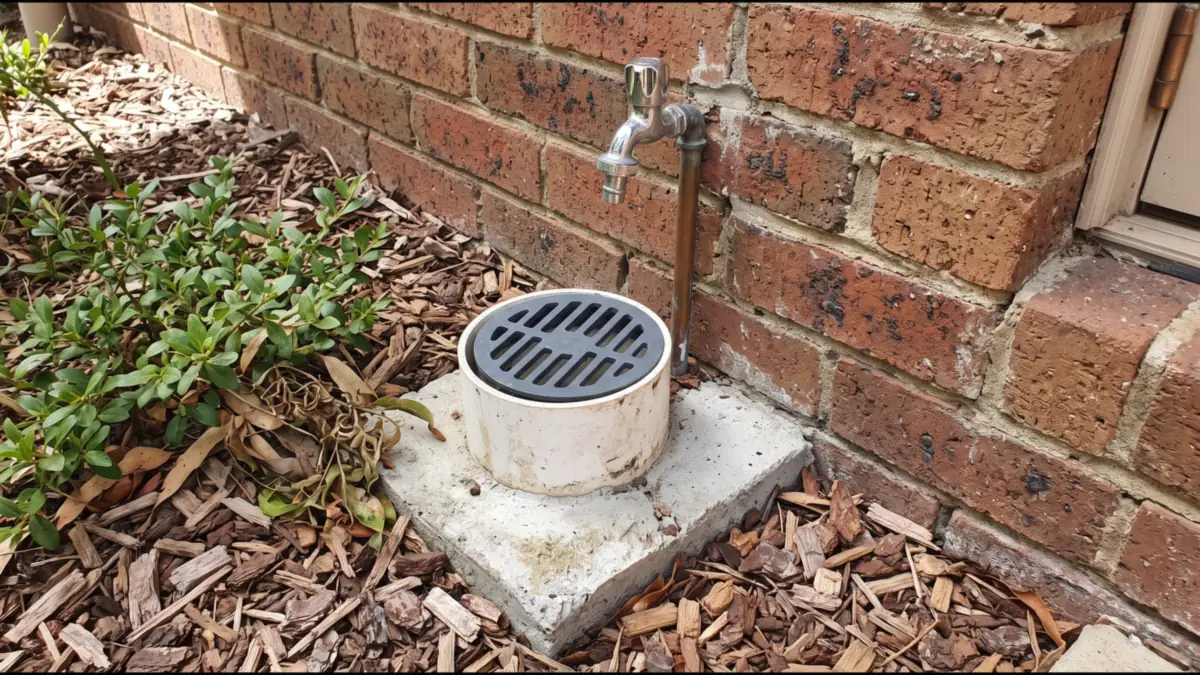
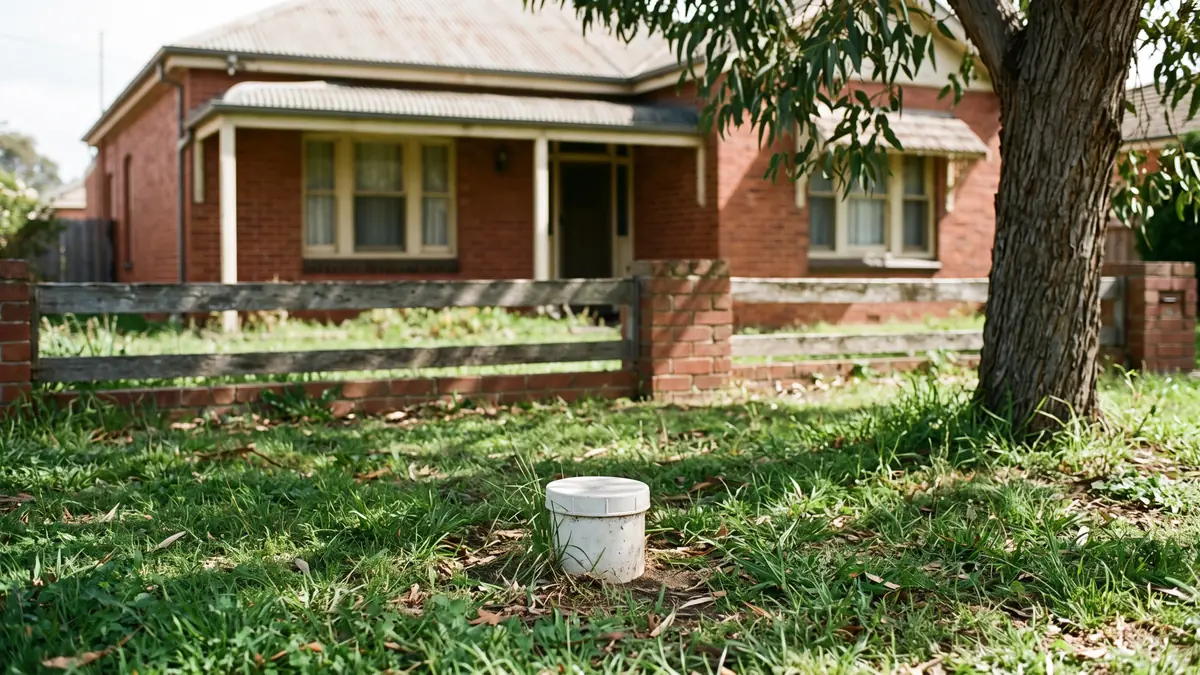
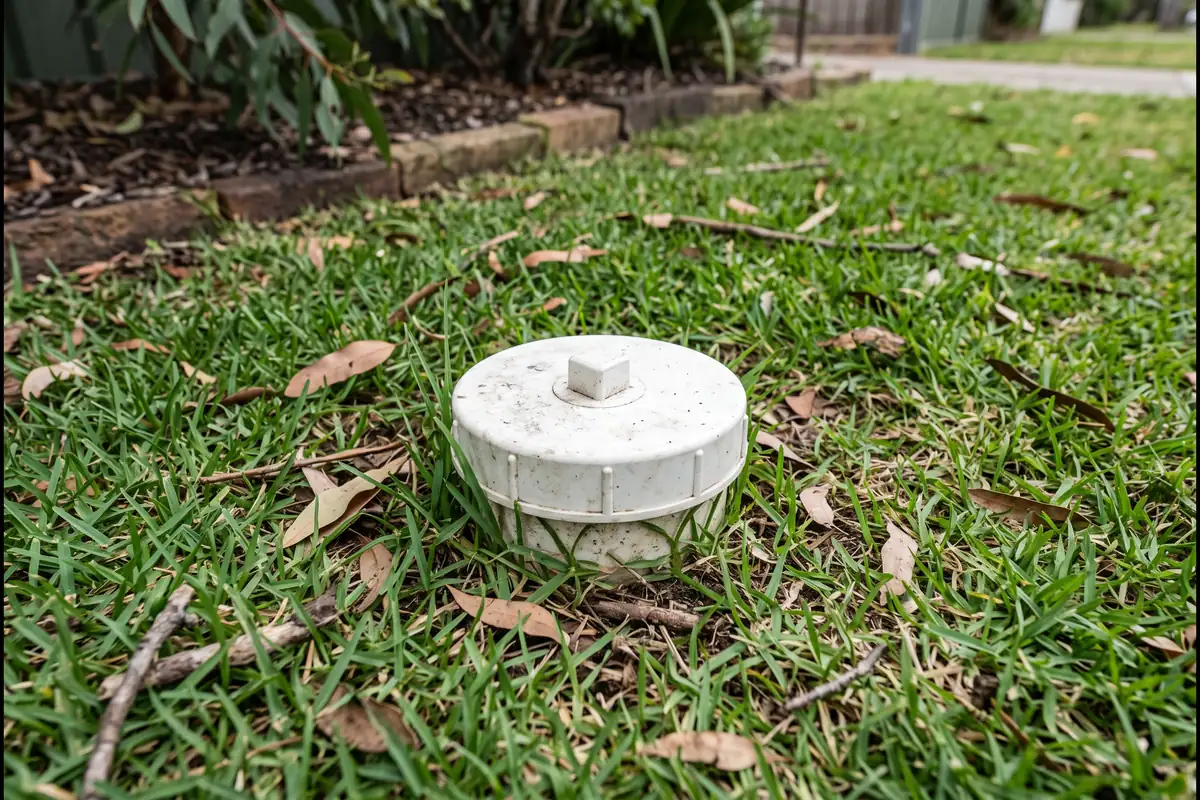
The trap itself is underground. What you can usually see is a capped pipe sticking up out of the lawn or garden bed near the boundary. That's the inspection opening (also called an inspection shaft or IO), and it's how a plumber gets into the pipe at that point to clear it or run a camera through.
Boundary trap vs overflow relief gully
People mix these up all the time. They're different fittings doing different jobs:
| Fitting | Where it is | What it does |
|---|---|---|
| Boundary trap | Buried near the property boundary | Holds a water seal against sewer gases |
| Inspection opening | Capped riser near the boundary | Access point for clearing and inspecting the pipe |
| Overflow relief gully | Near the house, outside the kitchen, laundry or bathroom | Lets a blocked sewer overflow outside instead of inside |
Our guide to the overflow relief gully covers that one in detail.
Does Your Home Have One?
Not every home does.
Older homes and older suburbs
Boundary traps turn up mainly on older properties, where the sewer connection was built with one. Newer homes are more often connected through an inspection shaft with no trap. South East Water, for one, describes these as the two types of house connection arrangement in Melbourne.
Check your sewer service diagram
The surest way to know is your sewer service diagram. It's a drawing of the private sewer pipes on your property and where they connect. In Sydney, the diagram shows features like the boundary trap and inspection shaft, plus the fixtures connected to each pipe. If you can't find one for your property, Sydney Water's guide says to call it on 13 20 92.
In Melbourne, ask your water retailer for your property's sewer plan.
Look near the boundary
No diagram yet? Walk along the front of the property, and the back too if the sewer runs behind the house. A white or grey capped pipe poking out of the ground near the fence line is often the inspection opening above a trap or shaft.
Why the Trap Blocks
The bend that holds the water seal is also, unfortunately, a very good place for things to get stuck.
The bend catches what shouldn't be there
Wipes, sanitary products, fat and food scraps don't break down in the pipe. When they hit the trap, the change of direction slows them down, and they start to pile up. Give it time and they'll build into a blockage that stops everything from the house getting through.
Tree roots at old joints
Plenty of these traps sit on older clay pipes, often not far from a front-yard tree. Roots go looking for water, find their way through tiny gaps at the joints, and grow into a mat that snags everything else. Our page on blocked drains covers root blockages in more detail.
Cracked, sunken or shifted pipes
Old clay pipes and fittings crack, sink and shift as the ground moves around them. A trap that has dropped or cracked catches debris more easily, and it can let soil and roots in as well.
Signs the Trap Is the Problem
Because everything from the house drains through it, a blocked trap usually shows up everywhere at once. Watch for:
- Every toilet, shower and sink draining slowly at the same time
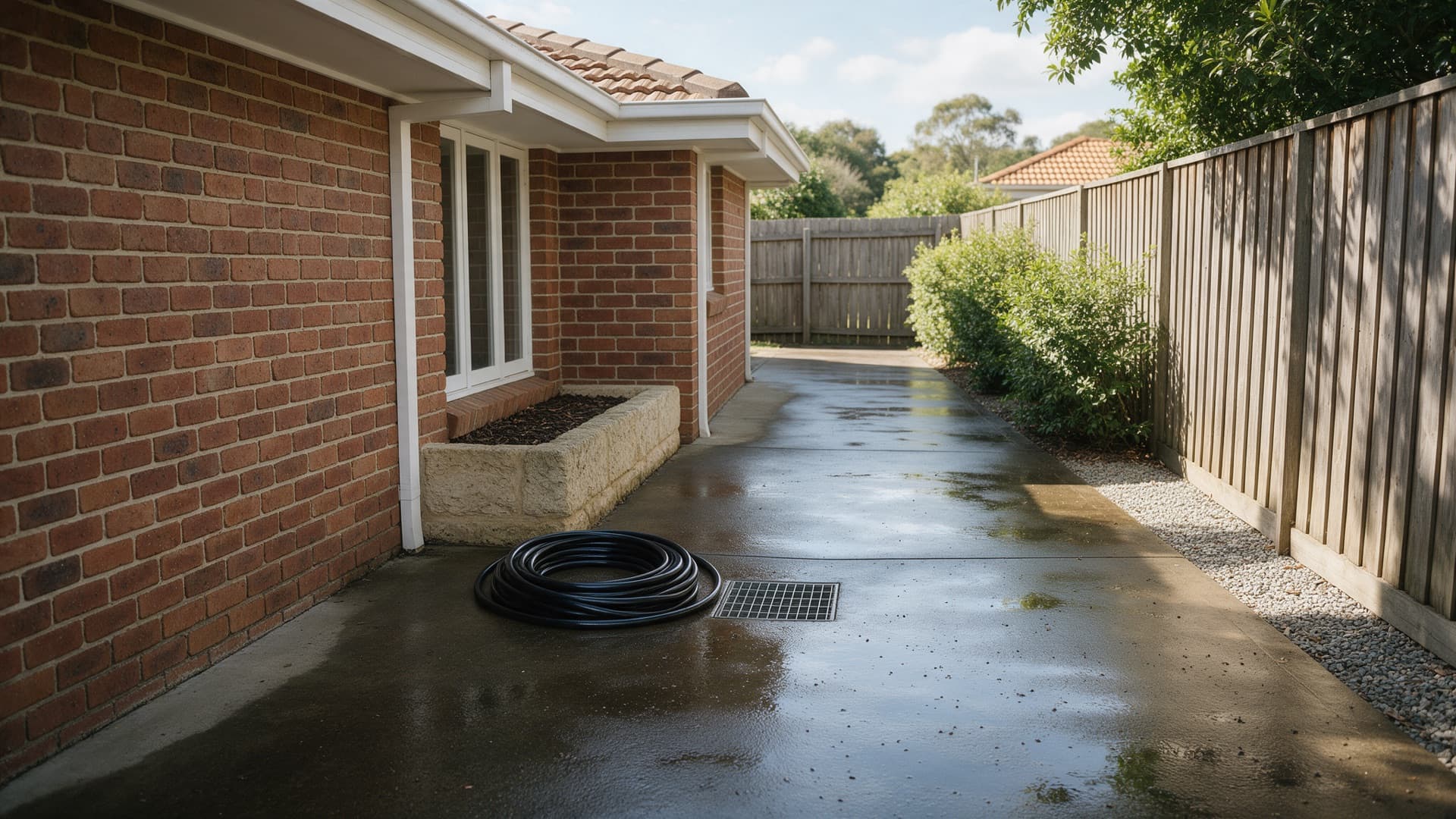
- The overflow relief gully near the house overflowing or lifting its cap
- Gurgling from drains when someone flushes or the bath empties
- A sewer smell near the front of the property
| What you notice | Where the blockage probably is |
|---|---|
| One sink or shower slow, the rest fine | In that fixture's own pipe |
| Several fixtures slow, gully overflowing | In the main private sewer pipe, often at the trap |
| Everything fine inside, smell near the boundary | Possibly the trap or inspection opening; get it checked |
If the whole house is affected, stop using water and call a plumber. Every extra flush just adds to the overflow.
Who Is Responsible for a Boundary Trap?
It depends on where you live. And it's often misunderstood.
Sydney
Sydney Water's guidance treats the private sewer pipes on your property as the owner's responsibility, all the way to the point where they join Sydney Water's main. A trap on your property sits on your side of that point, so clearing, repairing or replacing it is generally down to the owner. If your plumber finds the blockage is actually in Sydney Water's main, Sydney Water takes care of it.
Melbourne
In Melbourne, your water retailer sets the dividing line. Yarra Valley Water's repair responsibilities say its responsibility ends at the inspection opening, or 1 metre inside the property boundary, whichever is less. Everything on the house side of that point is the owner's. Other Melbourne retailers set their own rules (South East Water, for example, treats the inspection opening as the connection point), so check with yours.
Yarra Valley Water also expects the trap or shaft to stay at surface level. If it's been buried under paving or a garden bed, the owner pays to have it raised.
Caution
Whether the trap can be removed or replaced with a different fitting is a decision for a licensed plumber and your water authority. Don't remove or alter one yourself.
When to Call a Licensed Plumber
Call a plumber if the whole house is draining slowly, the gully is overflowing, or there's a smell hanging around near the boundary.
Clearing a blocked trap
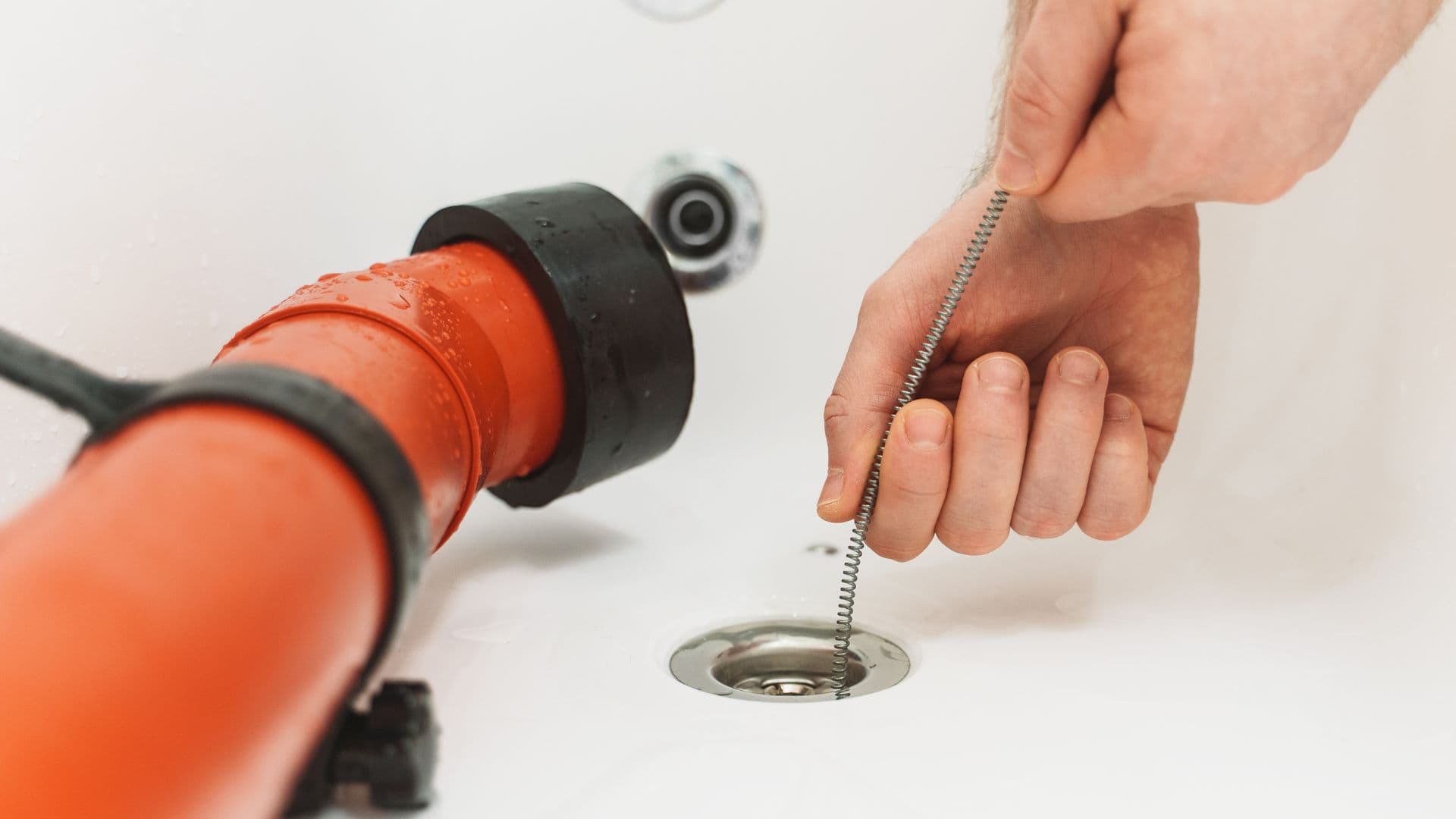
A licensed plumber will go in through the inspection opening and clear the trap, often with a high-pressure water jetter that cuts through fat, wipes and roots. Our article on hydro jet drain cleaning explains how that works.
Camera checks and repairs
Once it's clear, a camera inspection shows whether the trap and pipe are cracked, sunken or full of roots, so you know whether it's likely to happen again. A buried inspection opening can be raised back to the surface. Our drainage solutions cover camera inspection and repairs.
Whole house draining slowly? No call-out fee when you proceed with the repair, licensed plumbers available 24/7 across Sydney and Melbourne. Call 1300 138 780.
Final Word
You never see it, so it's easy to forget. But in older homes, this little buried bend is often where whole-house blockages start. Find out whether you have one, keep the inspection opening above the ground, and keep wipes, fat and other problem items out of your drains. If everything starts draining slowly at once, the trap is a good place to start looking.
Think your trap is blocked? Call 1300 138 780 any time, day or night. We'll find the blockage, clear it and give you an upfront fixed price before any repair, with no call-out fee when you go ahead with the work.
Key Takeaways
- A boundary trap is a buried U-bend near your property boundary that holds a water seal against sewer gases.
- The capped pipe you can see is the inspection opening, a plumber's access point.
- They're mostly found on older Sydney and Melbourne homes. Your sewer service diagram shows if you have one.
- Wipes, fat, roots and old cracked pipes are the usual causes of blockages.
- In Sydney, private pipes are the owner's responsibility up to the join with Sydney Water's main.
- In Melbourne, Yarra Valley Water's responsibility ends at the inspection opening or 1 metre inside the boundary, whichever is less.
- Removing or altering the trap is a decision for a licensed plumber and your water authority.