What Is Hydro Jet Drain Cleaning?
Third blockage this year, same drain. Or a plumber has had a look and told you the line needs jetting. Either way, you've ended up reading about hydro jet drain cleaning and wondering whether it's overkill.
It sounds heavy-duty, and it is. It's also the method most likely to stop a stubborn blockage coming back. The short version goes like this: a drain snake pokes a hole through a blockage so water can pass, while a jetter washes the blockage, and the build-up around it, off the pipe wall and flushes the lot away.
Below, you'll find how the process works, how it stacks up against snaking, when it's worth it and when it's the wrong tool. One note on names. In Australia you'll also hear it called high-pressure water jetting or jet blasting. Same thing.
Hydro jet drain cleaning uses water under high pressure to clear and clean the inside of a drain or sewer pipe. No chemicals are involved, only water.
The equipment: pump, hose and nozzle
A jetter has three main parts. A pump pressurises the water. A long, flexible hose carries it into the pipe. A nozzle at the end directs the water.
The nozzle does the clever work. Rear-facing jets pull the hose along the pipe and scour the walls as they go, and a forward-facing jet breaks into the blockage ahead. One nozzle doesn't suit every job. Plumbers carry different ones for grease, for roots and for general debris.
What it's called in Australia
Most Sydney plumbers say "jetting", "jet blasting" or "using the jetter". "Hydro jetting" and "hydrojet drain cleaner" are the American terms for the same equipment. If a quote lists high-pressure water jetting, that's hydro jet cleaning.
How Hydro Jet Cleaning Works, Step by Step
A proper jetting job has a camera at both ends of it. Here's how a typical visit from 24/7 Local Plumbers runs.
1. Find the access point
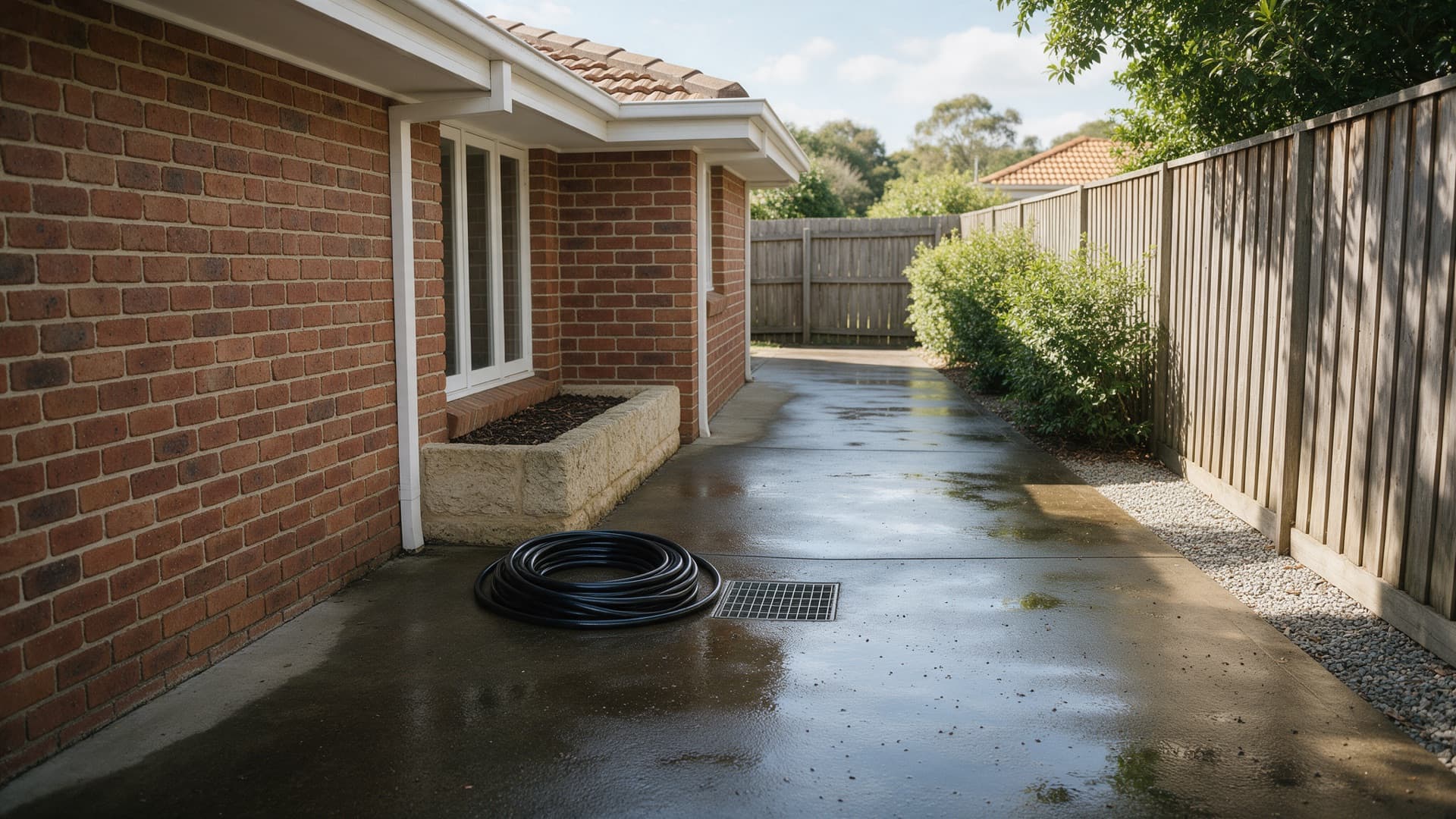
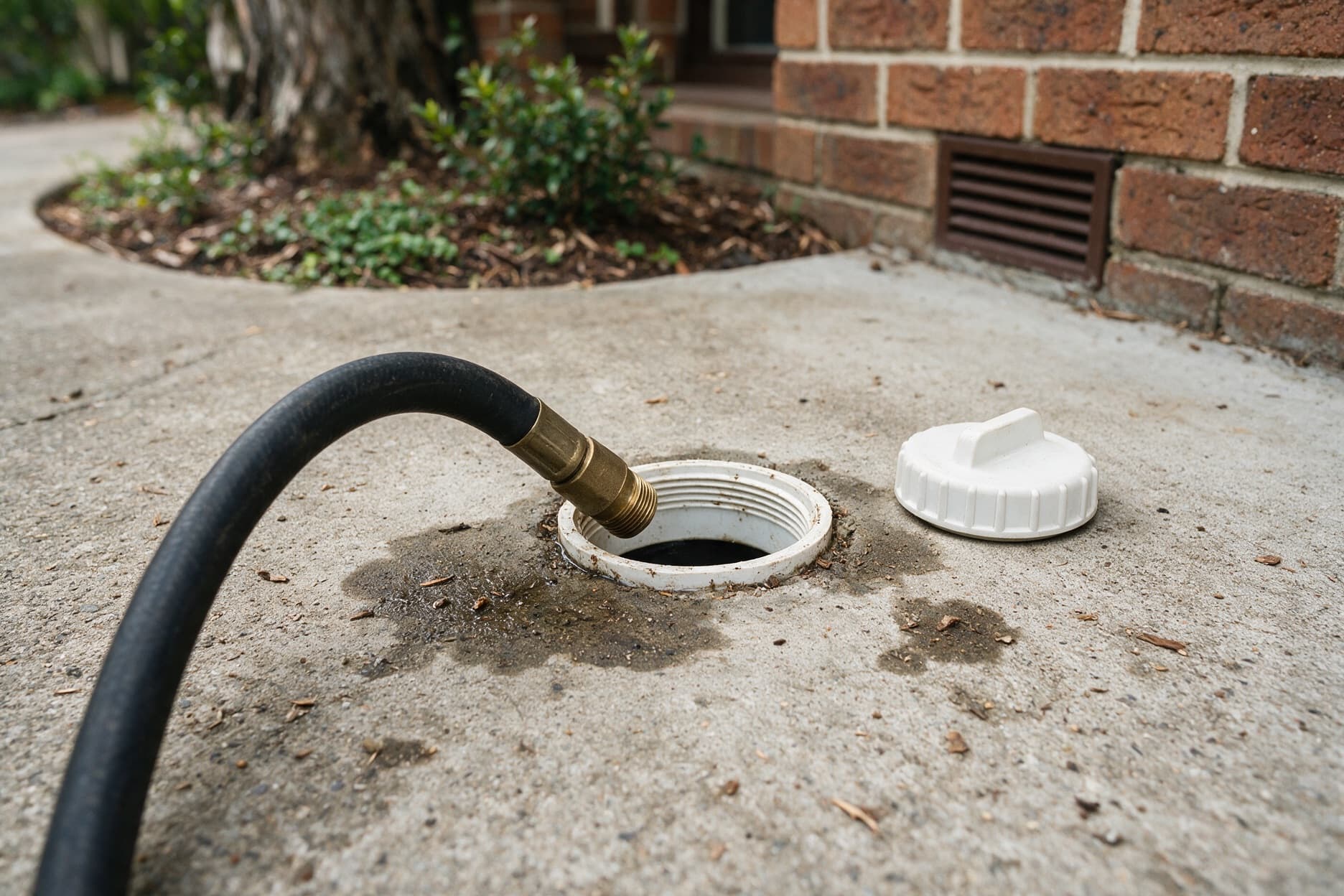
The plumber feeds the hose in through an inspection opening, an overflow relief gully or another access point outside. Jetting is rarely done through a sink or toilet.
2. Camera inspection first
A CCTV drain camera goes down the line to see what the blockage is and what condition the pipe is in. Don't skip this bit. It's the step that decides whether jetting is safe for that pipe.
3. Jet the line
The hose is fed along the pipe. The nozzle breaks up the blockage, strips the build-up from the pipe wall and washes it downstream towards the sewer.
4. Camera check afterwards
The camera goes back in to confirm the pipe is clear and to look for cracks or root entry points the blockage was hiding. Our blocked drain team shows you that footage before leaving.
Hydro Jetting vs a Drain Snake
Both clear blockages. They go about it differently, and you tend to find out which one you got a few months later.
What each one removes
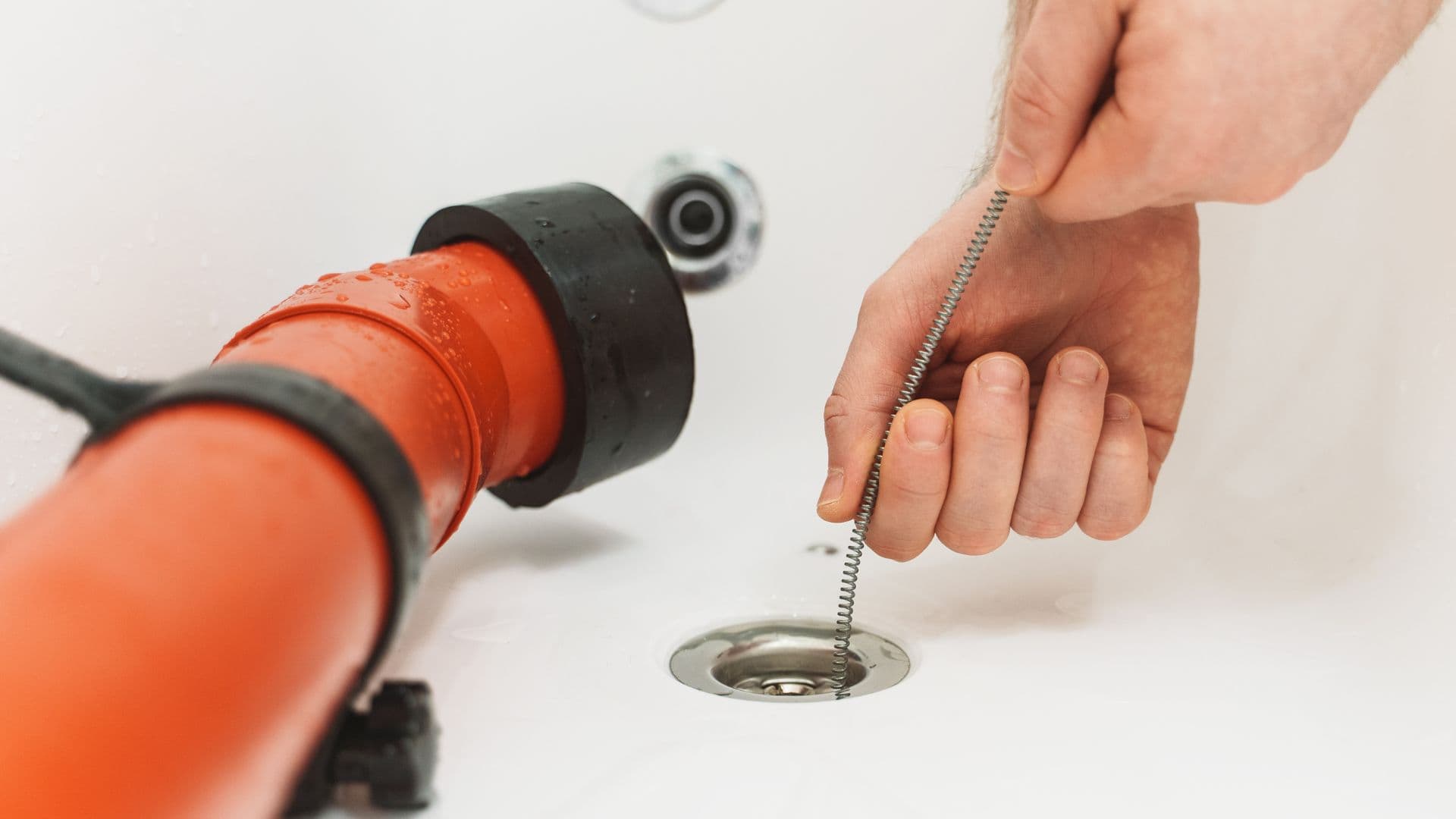
A drain snake, or electric eel, is a steel cable with a cutting head. It bores through the blockage and restores flow. The grease, scale or root hairs lining the rest of the pipe stay where they are, ready to catch the next lot of debris.
A jetter cleans the full width of the pipe. With that lining gone, there's far less for a new blockage to grip.
Which blockages suit which method
A hand snake is still the right first step for a simple household clog. Our guide on how to use a drain snake covers that. Jetting is the step up when a snake only buys you a few weeks.
| Drain snake | Hydro jetting | |
|---|---|---|
| How it works | Cable and cutting head bore through the blockage | High-pressure water scours the pipe wall |
| Best for | A single soft blockage near a fixture | Grease, roots, sludge and repeat blockages |
| Cleans the pipe wall | No | Yes |
| Suits long outdoor lines | Limited | Yes |
| DIY option | Yes, a hand snake | No, licensed plumber only |
When Hydro Jet Drain Cleaning Is the Right Call
Jetting earns its place on three kinds of blockage.
Grease and fat build-up
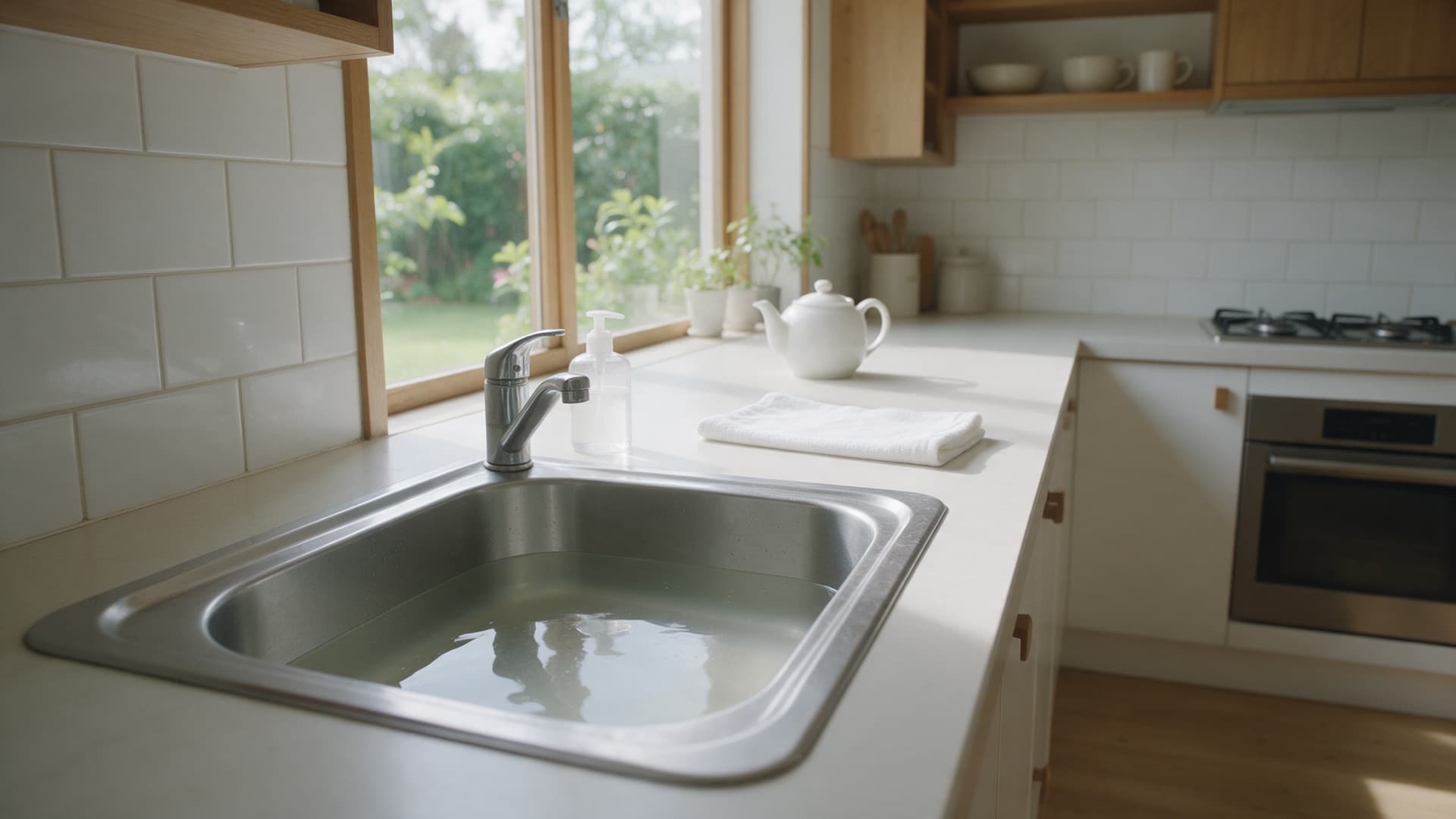
Kitchen lines slowly coat with fat that sets like candle wax. A snake cuts a channel through it. A few weeks of washing up later, the channel has closed over again. Jetting strips the fat right back to the pipe. If that sounds familiar, our article on a kitchen sink blocked with grease explains why it keeps happening.
Tree roots
Roots find their way in through joints and cracks, then grow into a mat that traps everything. Sydney Water lists fats, oils and tree roots among the most common causes of wastewater blockages. A root-cutting nozzle clears them out and washes the debris away.
Caution
Jetting removes the roots in the pipe. It doesn't seal the gap they came through. Without a repair, they'll grow back.
Blockages that keep coming back
A drain that blocks every few months has a cause that isn't being removed. Jetting, followed by a camera check, clears the line and shows you what the underlying problem is.
When Hydro Jetting Is Not the Answer
Jetting cleans pipes. It doesn't fix broken ones, and a good plumber will tell you which you've got before starting the machine.
Collapsed or badly cracked pipes
If the camera shows a collapsed section, a large crack or a joint that has dropped, forcing high-pressure water through it can wash soil into the pipe and make the damage worse. The pipe needs repairing first.
Old earthenware lines
Many older homes across Sydney's Inner West and Eastern Suburbs still drain through earthenware (clay) pipes with many joints. These can usually be jetted, but at a pressure the plumber chooses after seeing the pipe on camera. Where the line is too fragile, pipe relining or a section replacement through our drainage solutions service is the lasting fix.
What Does Hydro Jet Drain Cleaning Cost in Sydney?
There isn't one price for jetting. No two drains are the same job, and anyone quoting a flat figure over the phone without asking questions is guessing. The cost depends on:
- Access. An easy-to-reach inspection opening is quicker than a buried one.
- Length and size of the line. A short kitchen branch takes less time than a full sewer run to the street.
- What's in it. Sludge clears faster than an established root mass.
- Time of day. After-hours and public holiday work can cost more.
- Whether a camera is needed. For repeat blockages it nearly always is.
As a guide, a straightforward blocked drain in Sydney costs between $150 and $400 depending on the method required and time of day. CCTV inspections typically add $200 to $400 on top of clearing costs.
At 24/7 Local Plumbers there's a $0 call-out fee and upfront fixed pricing, so you know the figure before the jetter comes off the van.
When to Call a Licensed Plumber
Jetting isn't a DIY job. We know the hire shops rent jetters, and you can buy a drain kit for a pressure washer. Both can injure the person holding them and damage a pipe nobody has looked inside. In NSW, drainage work is licensed work.
Call a plumber when:
- A drain has blocked more than once in a few months.
- Several fixtures are slow at the same time.
- You can smell sewage or hear gurgling.
- An outside drain or gully is overflowing.
Need help from a licensed plumber? $0 call-out fee, available 24/7, Sydney-wide. Call 1300 138 780.
Key Takeaways
- Hydro jet drain cleaning uses high-pressure water to clear a blockage and scour the pipe wall. In Australia it's usually called jetting or jet blasting.
- A drain snake restores flow. A jetter removes the build-up that causes the next blockage.
- It suits grease, tree roots, sludge and drains that keep blocking.
- A camera inspection before and after is what makes it safe and worthwhile.
- Jetting doesn't repair cracked or collapsed pipes. Those need a repair or relining.
- It's licensed work, not a DIY job.