Why Grease Behaves Differently to Other Blockages
Your sink drained beautifully for a fortnight after the last clear. Now the water is pooling again, and you are reaching for the same bottle of drain cleaner that only half worked last time.
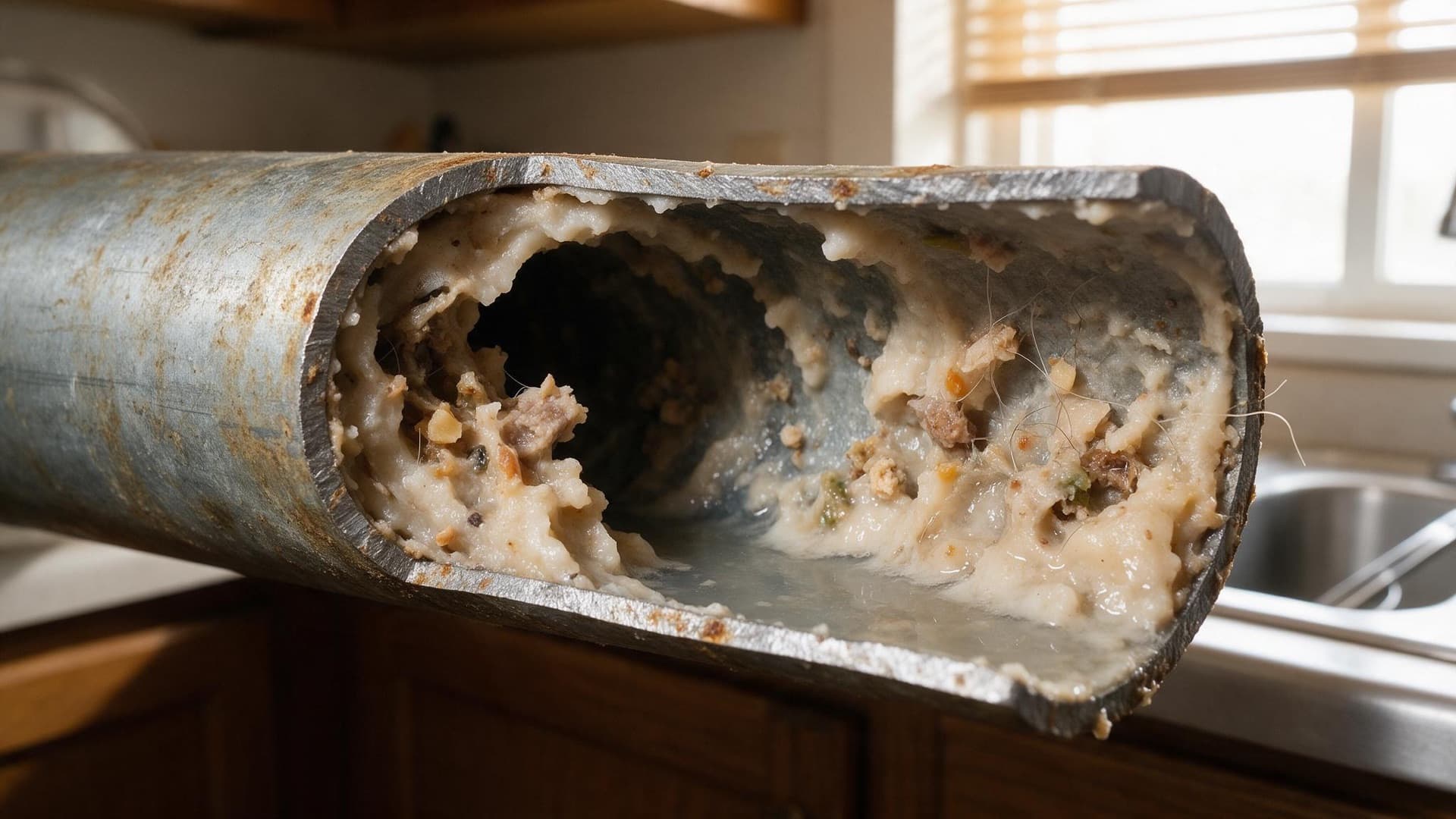
A sink that blocks once is bad luck. A sink that blocks every few weeks is a different problem, and in Sydney kitchens the usual suspect is fat. Not one dramatic pour of oil, but months of small rinses that cool, harden and gradually narrow the pipe.
This guide covers how grease behaves once it leaves your sink, why the common home fixes fade so quickly, how to tell grease apart from other causes, and what actually clears an established build-up.
Most kitchen blockages are a mix of things. Grease is the ingredient that binds them together.
Hot Fat, Cold Pipe
Fat leaves the pan as a liquid. By the time it reaches your waste pipe it has cooled, and cooling is the whole problem. Sydney Water notes that fats, oils and grease cool and harden inside wastewater pipes, and that they combine with other waste to form the blockages known as fatbergs.
It Catches Everything Else
On its own, a little fat might pass through. Coated on the pipe wall, it becomes sticky. This is why kitchen plumbing problems so often start at the sink and end somewhere you cannot see. Coffee grounds are a good example: Sydney Water points out they are dense, clump together when wet, and do not dissolve. Rice, pasta and food scraps behave in much the same way once there is something for them to cling to.
Where the Build-Up Forms
Grease does not always stop at the plughole. It can congeal past the trap, sometimes well along the line, depending on the pipe run, the pipe material and how quickly the water cools. That is one reason a blockage can be stubborn even when everything under the sink looks clean.
Caution
if several fixtures are slow at once, or you notice gurgling and smell, the cause is more likely further down the drain than in your kitchen waste. That is a different job.
Why Your Last Fix Only Lasted a Fortnight
Most home remedies target the symptom rather than the coating on the pipe wall.
Boiling Water
Hot water can soften fat locally. The catch is that softened fat travels, cools further along the line and sets again. It sometimes buys you a fortnight rather than fixing anything.
Bicarb Soda and Vinegar
A useful routine for odour and light film. Against an established layer of hardened fat it has limited effect. We have covered the method in detail in our guide to natural drain cleaning methods, and it is worth knowing where it helps and where it does not.
Caustic Drain Cleaners
These can clear a partial blockage, but repeated use is worth thinking twice about, particularly with older pipework. If the product does not reach the build-up, you have poured a harsh chemical into standing water that you then have to work around.
Plunging
A plunger may shift a soft or partial blockage. Against established grease it is often less effective, because the problem is a narrowed pipe rather than a single obstruction sitting in the trap.
| Method | Works well for | Limits with grease |
|---|---|---|
| Boiling water | Fresh, light residue | Fat can re-set further along the pipe |
| Bicarb soda and vinegar | Odour, light film, maintenance | Limited effect on hardened build-up |
| Caustic cleaner | Partial blockages within reach | Harsh on older pipes, may not reach the build-up |
| Plunger | Soft or partial blockages | Less effective on a narrowed pipe |
| Hydro-jetting | Established build-up on the pipe wall | Requires a licensed plumber |
How to Tell Grease From Another Cause
A few patterns point one way rather than the other.
Signs That Suggest Grease
- The sink slows gradually over weeks rather than blocking suddenly
- It is worse after cooking or after washing up a roasting tray
- Only the kitchen is affected
- Clearing works briefly, then the same slowdown returns
Signs That Suggest Something Else
- Two or more fixtures slow at the same time
- Gurgling from another drain when the sink empties
- A smell that lingers regardless of cleaning
- Water backing up at an outside gully
Those second-list symptoms point towards the shared drain line rather than your kitchen waste, and tree roots are a common cause in older Sydney suburbs. Our guide to the common causes of blocked drains walks through how to tell them apart.
Clearing an Established Grease Blockage
Once fat has coated the pipe wall, the fix needs to remove that layer rather than just open a channel through it.
Enzyme Treatments
Enzyme based products digest organic build-up rather than burning through it. They are gentler on pipes, but they work slowly and usually need repeat applications over several weeks. They suit maintenance better than a sink that is already backing up.
Hydro-Jetting
A jetter sends water through the line at high pressure and scours the pipe wall rather than punching a hole through the middle of the blockage. That distinction matters. Clearing a channel restores flow for a while. Scouring the wall restores the pipe's full bore, which is why the result tends to last.
CCTV Inspection
If a sink has blocked repeatedly, a camera inspection shows what is actually in the line and whether the problem is grease, a sag in the pipe, a damaged section or roots. It removes the guesswork before anyone quotes on a repair.
Keeping It Clear for Good
Prevention is where the recurring cycle actually stops.
Bin It, Do Not Rinse It
Sydney Water's advice on avoiding wastewater blockages is straightforward: wipe greasy pans with a paper towel and put it in the bin, or pour cooking fats into a container, let them set and bin the container once it is full.
Use a Strainer
A basket strainer catches scraps, coffee grounds and the bits that give fat something to cling to. It is the cheapest change on this list and probably the most effective.
Keep These Out of the Kitchen Sink
- Cooking oil, pan fat and dripping
- Coffee grounds
- Rice, pasta and flour based batter
- Spoilt milk and cream, which can thicken in the line
- Food scraps that belong in the compost or bin
Tip
run the hot tap for around thirty seconds after washing up greasy dishes. It will not undo an existing build-up, but it helps stop fresh residue settling while the pipe is still warm.
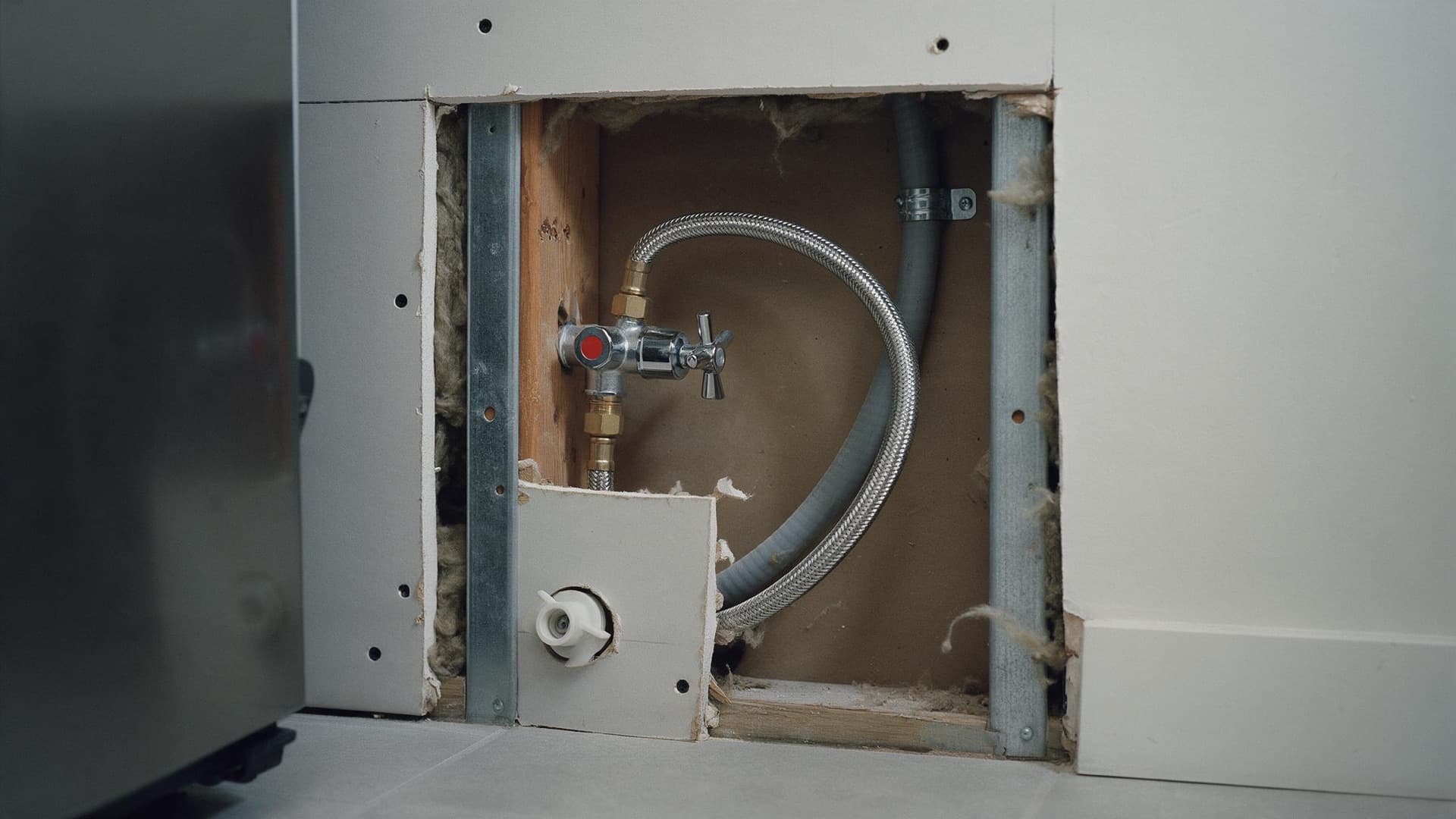
If you are planning a plumbed fridge for the same kitchen, our guide on how to plumb in a fridge covers the water line side of things.
When to Call a Licensed Plumber
Call someone when the sink has blocked more than once in a couple of months, when clearing works only briefly, when more than one fixture is affected, or when water backs up rather than draining slowly. Those all suggest the problem sits beyond the reach of anything you can pour down the plughole.
At 24/7 Local Plumbers we are on call 24 hours a day across Sydney, with a $0 call-out fee and a lifetime guarantee on workmanship. If a recurring kitchen blockage needs jetting or a camera inspection, our blocked drain services cover both.
Give us a call on 1300 138 780 for upfront pricing and no surprises.
Key Takeaways
- Grease is a common cause of recurring kitchen sink blockages, though the pattern depends on your plumbing and symptoms.
- Fat hardens as it cools and can build up beyond the trap, which is why surface level fixes fade.
- Gradual slowing that is worse after cooking and affects the kitchen only points towards grease.
- Several slow fixtures, gurgling or smell point towards the shared drain line instead.
- Jetting scours the pipe wall, which is why it tends to outlast a DIY clear.
- Binning fat and fitting a sink strainer are the two habits that break the cycle.