Baking Soda and Vinegar Drain Cleaner
Reaching for the bottle of chemical drain cleaner under the sink feels like the fast option. It's worth knowing, though, what that bottle actually does to your pipes, your septic system if you have one, and the waterways it eventually ends up in. The good news is that a handful of ingredients already sitting in most kitchens handle a lot of everyday slow drains just as well, without any of that damage.
Here's the baking soda and vinegar method done properly, boiling water, salt and baking soda, and an honest look at why chemical drain cleaners cause more problems than they solve.
The Science, Briefly
Mixing baking soda and vinegar triggers a fizzing chemical reaction that produces carbon dioxide. That fizzing action can loosen light grime and buildup near the drain opening, and helps neutralise odours from minor organic residue. What it won't do is dissolve a dense hair mat or a solid grease plug further down the pipe. Worth knowing upfront: this suits mild slow drains and smells, not a fully blocked sink.
How to Use It
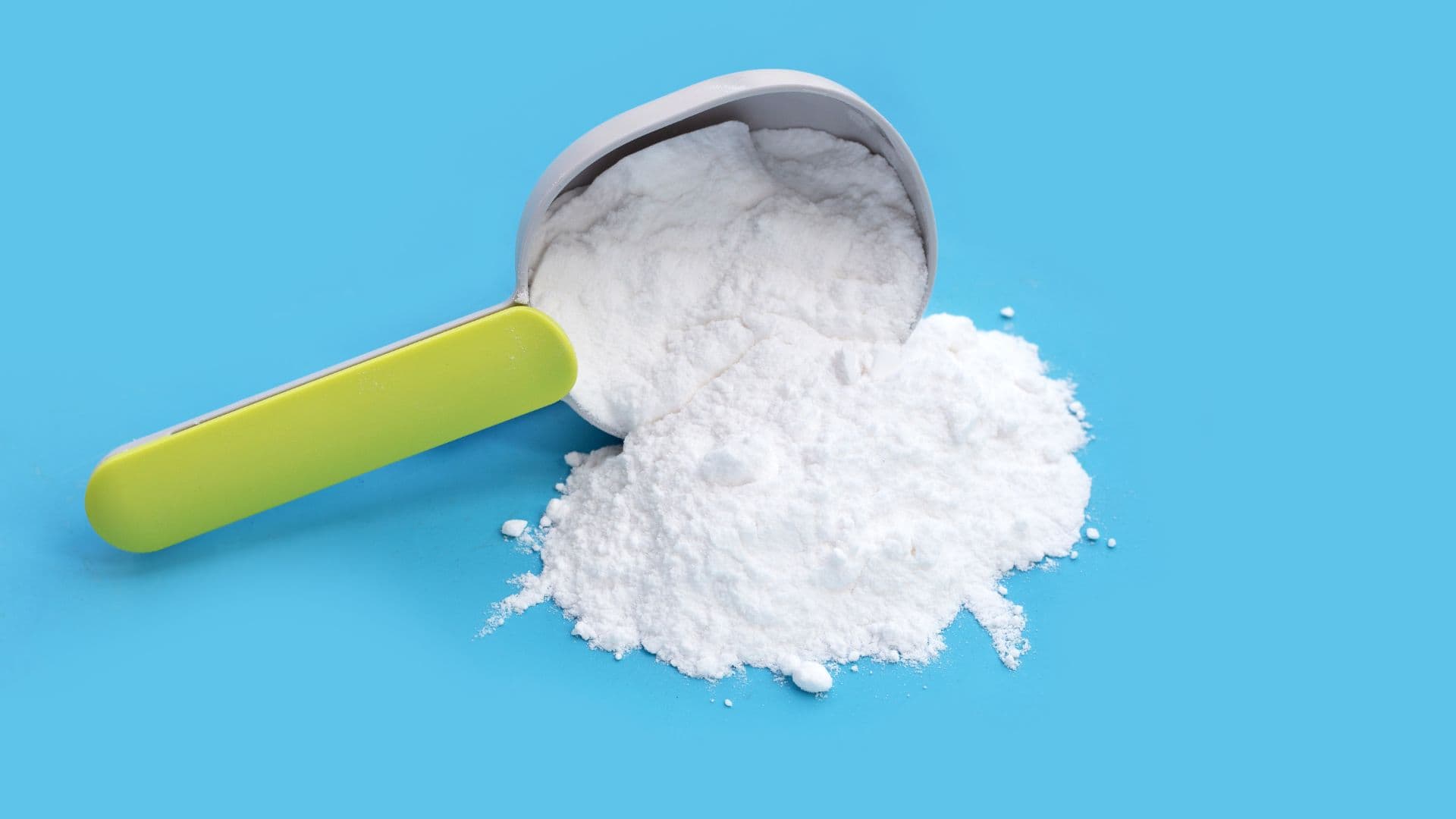
- Pour half a cup of baking soda directly into the drain.
- Follow with half a cup of white vinegar and let it fizz.
- Cover the drain with a cloth or stopper for 15 to 30 minutes, keeping the reaction working down into the pipe rather than bubbling straight back up.
- Flush with hot tap water to rinse away loosened debris.
Tip
Leaving the mixture overnight is fine if you're dealing with a stubborn smell rather than a clog. Just flush with hot water in the morning regardless of how long it sat.
Boiling Water Method
Boiling water works well on grease-based clogs. Heat melts and loosens fat that's built up along the pipe walls. Simple, free, and often enough on its own for a kitchen sink that's draining slowly rather than fully blocked.
Caution
Boiling water can soften joints in PVC pipe over time, which covers most homes built after the 1980s. Very hot tap water does much the same job without the same risk, so save the kettle for older metal pipework and stick to hot tap water everywhere else.
Salt and Baking Soda Method
Combine half a cup of table salt with half a cup of baking soda and pour the mixture straight down the drain. Leave it overnight, then flush with hot water in the morning. The salt acts as a mild abrasive alongside the baking soda's odour-neutralising properties, and that overnight sit gives it more time to work into buildup than the quicker vinegar method.
This combination suits routine maintenance well. Run it monthly on kitchen and bathroom drains to slow the buildup that eventually turns into a real clog.
Why Chemical Drain Cleaners Are Bad for Pipes
The bottle under the sink promises a quick fix. Here's what it's doing to your plumbing while it delivers one.
Heat Damage
Chemical drain cleaners work through a reaction that generates significant heat, sometimes close to boiling point. In PVC pipe, that heat can soften joints and weaken the glued connections holding everything together. Repeated use, and you're looking at a failed joint or a slow leak starting somewhere you can't see.
Corrosion in Older Pipes
Homes with galvanised steel or cast iron plumbing face a different problem. The corrosive chemicals themselves accelerate rust and internal erosion, weakening pipe walls over time and increasing the risk of a full pipe failure down the track.
Septic System Harm
If your property runs on a septic system, chemical drain cleaners are genuinely bad news. Septic care guidance consistently flags avoiding chemical drain openers, since they kill the beneficial bacteria your septic tank relies on to break down waste. Once that bacterial balance is disrupted, the system stops functioning properly.
Environmental Impact
Chemical residue doesn't just disappear once it's flushed through. It moves into the sewer or septic system and, from there, can affect groundwater and local waterways, adding to the same environmental load that natural alternatives avoid entirely.
It Often Doesn't Even Work
Here's the part that gets left out of most warning labels: chemical cleaners frequently just punch a small channel through a clog rather than actually clearing it. Water starts moving again, but the clog itself is often still sitting there, ready to build back up within weeks.
When Natural Methods Won't Cut It
Natural methods are genuinely useful for regular maintenance and mild slow drains, but they're not built for every situation. It's time to move on to something else when:
- The drain is fully blocked rather than just slow, with standing water that doesn't move
- You've tried a natural method two or three times with no real improvement
- The smell or slow drainage keeps coming back within days of clearing it
- Multiple drains in the house are affected at once, which usually points to a blocked drain deeper in the shared line rather than one fixture
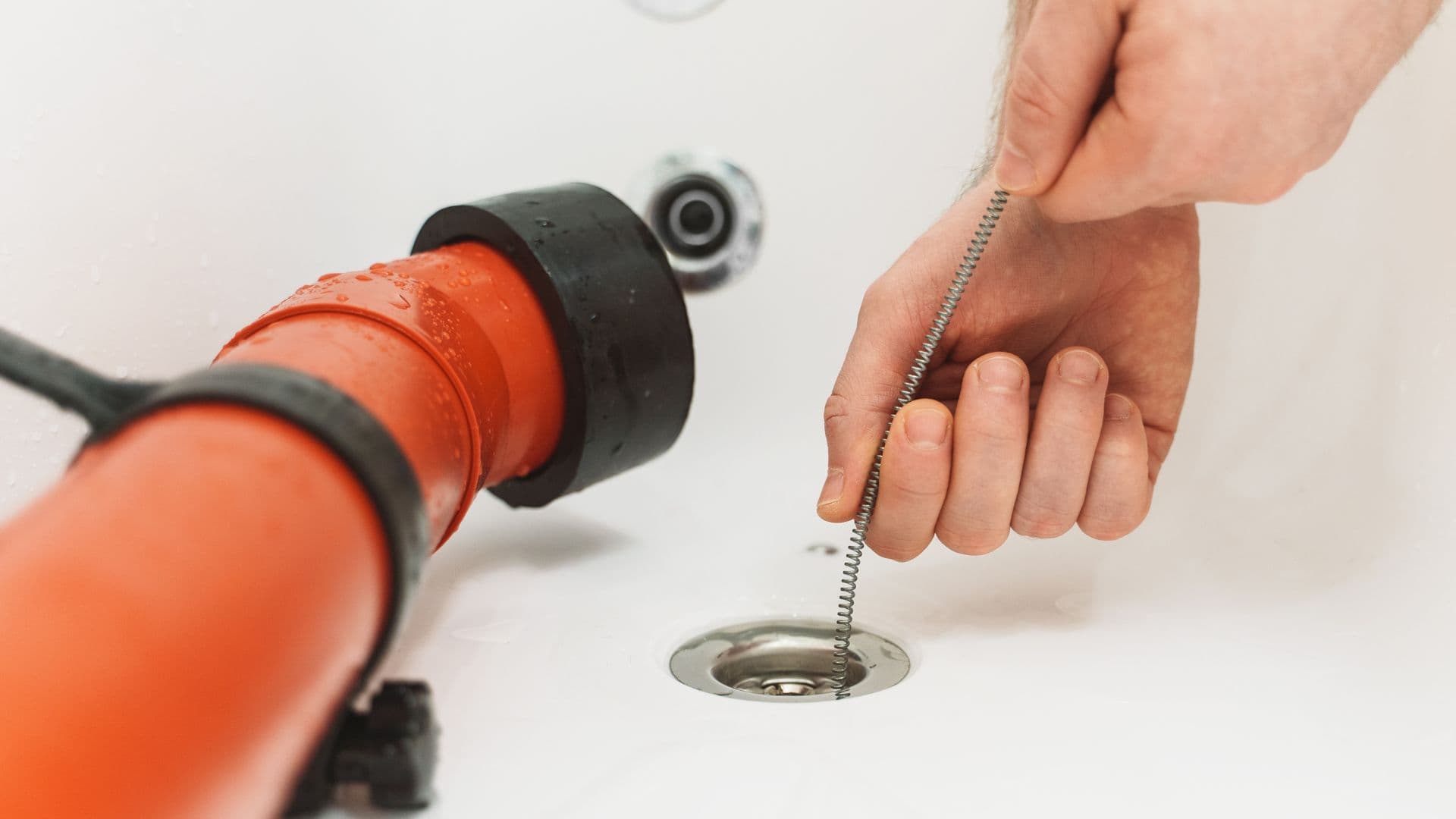
At that point, a plunger or a drain snake gets to the actual cause instead of just masking it for a few more days.
24/7 Local Plumbers is available around the clock with $0 call-out fees and a lifetime labour guarantee. If natural methods haven't cleared it, call 1300 138 780 or book online for a free quote.
Key Takeaways
- Baking soda and vinegar work for light buildup and odours, not dense clogs.
- Boiling water helps with grease but risks softening PVC joints. Use very hot tap water instead where you're unsure of the pipe material.
- Salt and baking soda left overnight suits regular maintenance well.
- Chemical drain cleaners generate heat that damages PVC and corrodes older metal pipes, and they're genuinely harmful to septic systems.
- Standing water, repeat clogs, or multiple affected drains mean it's time for a drain snake or a professional rather than another natural attempt.