What Is a Drain Snake?
You've plunged it. You've probably tipped a kettle of hot water down there too, just in case. And the sink's still draining like it's thinking about it. That's usually the point where a blocked drain needs something with a bit more reach than a plunger.
A drain snake is one of the most useful tools you can keep in the cupboard. Used properly, it clears most everyday clogs with no chemicals, no service call, and next to no risk to your pipes. Used carelessly, though, it can scratch porcelain, kink inside the pipe, or shove a clog further in instead of out. We see both outcomes fairly often.
So here's what a drain snake actually is, how a hand snake differs from an electric auger, exactly how to use one without wrecking anything, which drains it's suited to, and the point where it's smarter to put the tool down and call a licensed plumber.
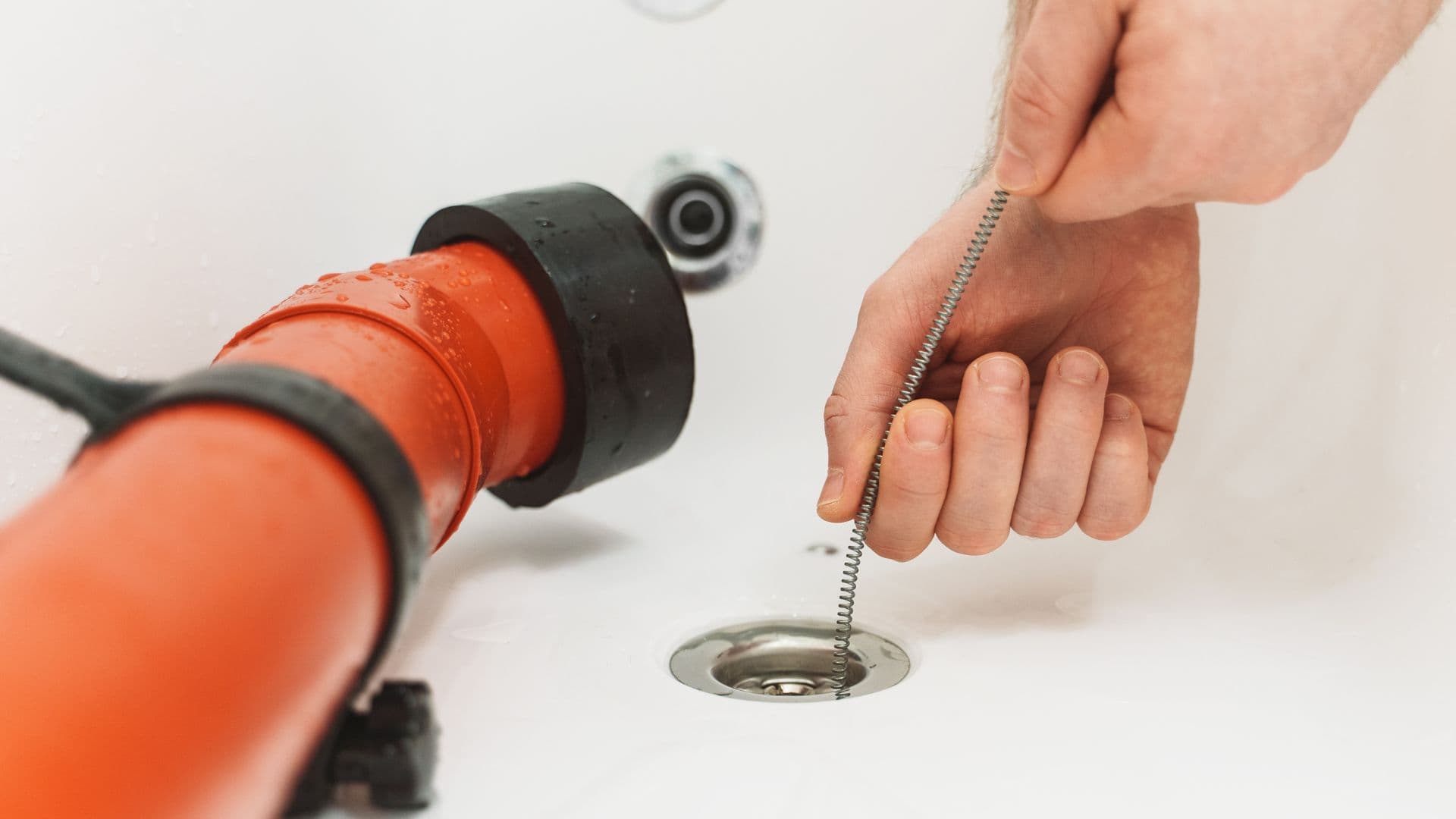
A drain snake, sometimes called a plumbing snake or drain auger, is a long flexible metal cable wound around a drum or handle. You feed the cable into the blocked drain, and a corkscrew-shaped tip on the end either hooks onto the clog so you can pull it out, or breaks it apart so water can flush it through.
How It Works
As you turn the crank, the cable advances through the pipe, bending around the P-trap (the curved section under most sinks) and any other bends it meets along the way. Eventually it finds the blockage, whether that's hair, soap scum, grease, or a bit of stray debris someone dropped down the plug hole. You'll feel resistance. That's your cue to slow down, not speed up. Steady cranking either snags the clog so you can pull it out, or grinds it up enough for the water to carry it away on its own.
Drain Snake vs Drain Auger
People use these two terms interchangeably, and honestly, functionally they do the same job. The real distinction is size and power. A drain snake is the lighter, thinner tool built for smaller household pipes. A drain auger has a thicker cable and more torque, aimed at bigger drains like toilets and shower waste pipes. Don't get too hung up on the naming when you're shopping for one. Check the pipe diameter it's rated for instead. That's what actually matters.
Tip
Most basic hand snakes are rated for pipes between 30mm and 50mm, which covers the vast majority of sink, basin, and bath drains in a typical Sydney home.
Types of Drain Snakes: Hand vs Electric
There are two categories worth knowing about, and the gap between them is bigger than the price tag suggests.
Hand-Crank (Manual) Snakes
A manual snake is the tool most people reach for first, and Bunnings stocks a handful of decent options under $50. It's cheap, light, and dead simple: feed the cable in by hand, turn the crank to advance and rotate it. Manual snakes usually run 3 to 6 metres, which is plenty for a sink, basin, bath, or shower drain.
They're well suited to quick jobs like a hair clog in the bathroom or food scraps in the kitchen sink. On a genuinely stubborn blockage, though, they'll test your arm and your patience in equal measure.
Electric Drain Augers
An electric drain auger uses a motor to rotate the cable for you. Significantly more force, a lot less elbow grease. Cable lengths often stretch from 7 to 15 metres, reaching clogs a manual snake simply can't touch.
They're worth the extra cost for deeper or repeat blockages, but they ask for more care in return. Too much power in the wrong spot cracks a pipe joint or splits older plumbing, and that's usually where inexperience turns an easy fix into an expensive one.
Caution
Older homes across Sydney's Inner West and North Shore often still have clay or cast iron drain sections. An electric auger's extra torque can crack ageing pipework that a hand snake wouldn't touch. If your home is pre-1970s, lean toward the manual tool or check with a licensed plumber first.
| Hand Snake | Electric Auger | |
|---|---|---|
| Cost | $20 to $60 | $150 to $400+ |
| Cable length | 3 to 6 metres | 7 to 15 metres |
| Best for | Sink, basin, and bath clogs | Deeper or repeat blockages |
| Skill needed | Low | Moderate, higher risk of pipe damage if rushed |
| Physical effort | Higher (manual cranking) | Lower (motor does the work) |
How to Use a Hand Drain Snake Safely
- Clear the area and remove the stopper or strainer. Take out any plug, strainer, or overflow cover so the cable has a straight path into the drain opening.
- Feed the cable in gently. Push the corkscrew tip into the drain and let it travel down under its own weight before you start cranking. Never force it.
- Crank clockwise while pushing forward. Turn the handle steadily as you advance the cable. The rotation helps the tip navigate bends in the P-trap rather than jamming against them.
- Stop when you feel resistance. This is usually the clog. Don't push harder. Instead, crank back and forth gently to let the tip hook or break through the blockage.
- Retract slowly. Pull the cable back out while continuing to crank, so any hooked debris comes with it rather than dropping back into the pipe.
- Flush with water. Run the tap for a minute or two to confirm the drain is clear. If it's still slow, repeat the process. It often takes two goes before the water runs freely again, and that's completely normal.
Avoid
forcing the cable past resistance, using an electric auger on a toilet without a proper closet auger head, or mixing chemical drain cleaner with snaking. Leftover chemical residue can splash back and cause skin or eye irritation while you're working.
Which Drains a Snake Works For
A snake isn't a universal tool. Here's where it earns its place and where it doesn't.
Sink and Basin Drains
A standard hand snake handles kitchen and bathroom sink clogs well. Most blockages here are hair, soap scum, or food scraps caught in the P-trap. A 3 to 6 metre cable is more than enough reach. For kitchen plumbing clogs specifically, grease is nearly always the culprit, and a few pours of hot water alongside the snaking helps break it down further.
Shower and Bath Drains
Shower and bath drains clog almost exclusively from hair and soap residue. A snake works fine here, but the shallow, wide-mouth shape of these drains means a plunger or a cheap hair-removal tool often does the job before you even need to reach for the snake.
Toilets
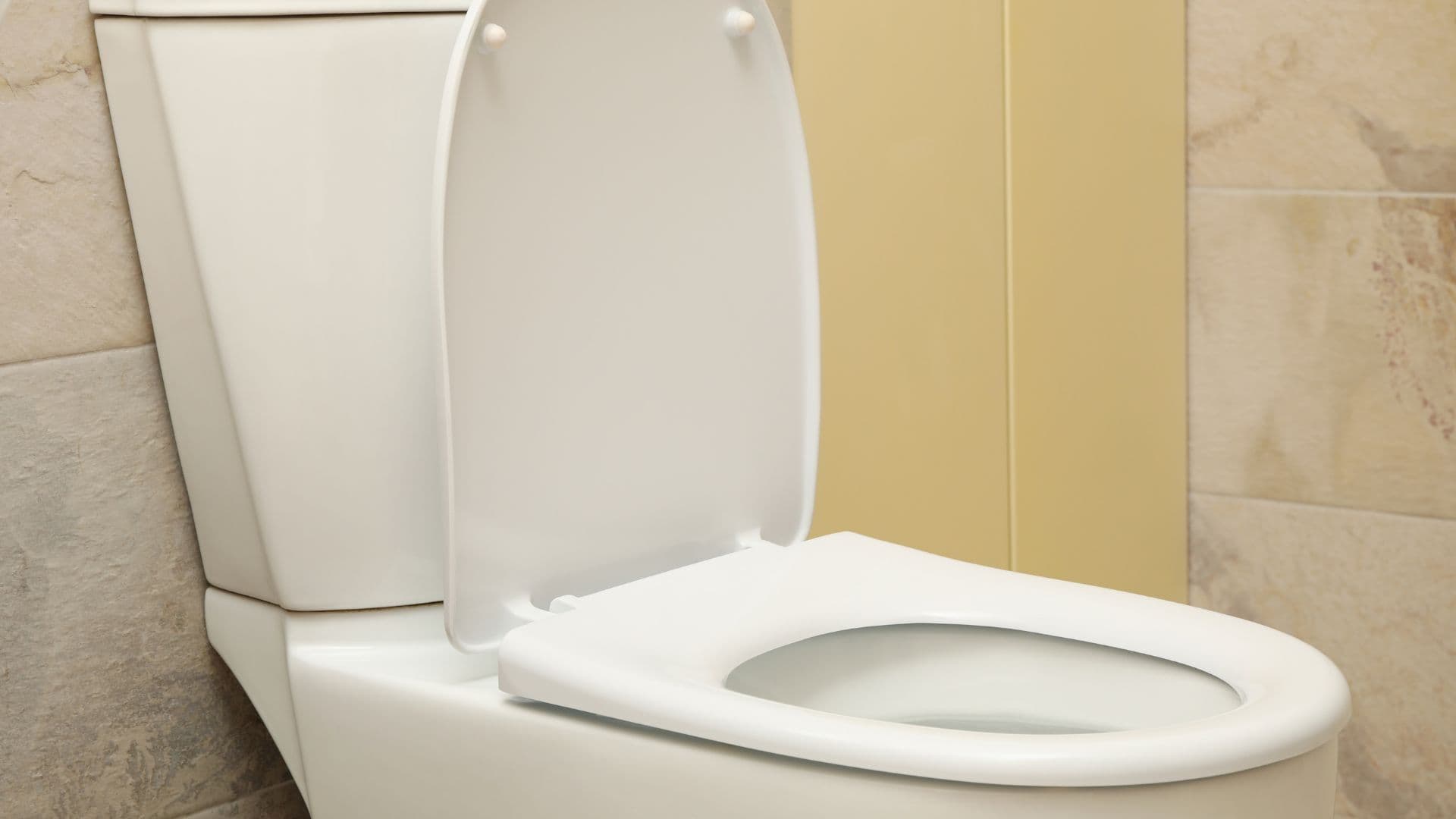
Toilets need a different tool entirely: a closet auger, which has a protective rubber or nylon boot over the cable so it doesn't scratch the porcelain bowl or the S-trap finish. A standard hand snake designed for sinks isn't built for this job and can damage the toilet. If you don't have a closet auger to hand, there are several gentler methods for clearing a blocked toilet worth trying first.
Drains a Snake Isn't Suited For
A household snake isn't built for main sewer line blockages, suspected tree root intrusion, or a drain that's collapsed or badly corroded. Those jobs need a longer cable, a CCTV camera to see what's actually happening inside the pipe, and the experience to read what the camera's showing you. Push a household snake down a root-affected line and, more often than not, you'll just wedge it in further. That's drainage work rather than a DIY job.
When to Call a Licensed Plumber Instead
A drain snake solves most everyday clogs, but there are a few clear signs it's time to stop and get a professional involved:
- The clog keeps coming back within days or weeks of clearing it
- You've made two or three careful attempts with no improvement
- Multiple drains in the house are backing up at the same time (usually a sign of a main line issue, not a single clogged fixture)
- Water is coming up through a floor drain or outdoor grate
- You suspect tree roots, a collapsed section of pipe, or ageing clay or cast iron plumbing
These situations usually point to a problem deeper in the drainage system than any household tool can reach safely. In NSW, plumbing and draining work beyond basic DIY maintenance legally requires a licensed tradesperson, so once a blockage looks like it's in the main line rather than a single fixture, it's genuinely a job to hand over rather than push through.
24/7 Local Plumbers is available around the clock with $0 call-out fees and a lifetime labour guarantee. If snaking hasn't cleared the blockage, call 1300 138 780 or book online for a free quote.
Key Takeaways
- A drain snake is a flexible cable tool that hooks or breaks up clogs mechanically, without chemicals.
- Hand snakes suit quick sink, basin, and bath clogs; electric augers handle deeper or repeat blockages but need more care.
- Always feed the cable in gently, crank clockwise, and stop at the first sign of resistance.
- Toilets need a closet auger, not a standard sink snake.
- Recurring clogs, multiple drains backing up, or suspected tree roots and ageing pipework are signs to call a licensed plumber.