Before You Unblock a Drain: Work Out What You're Dealing With
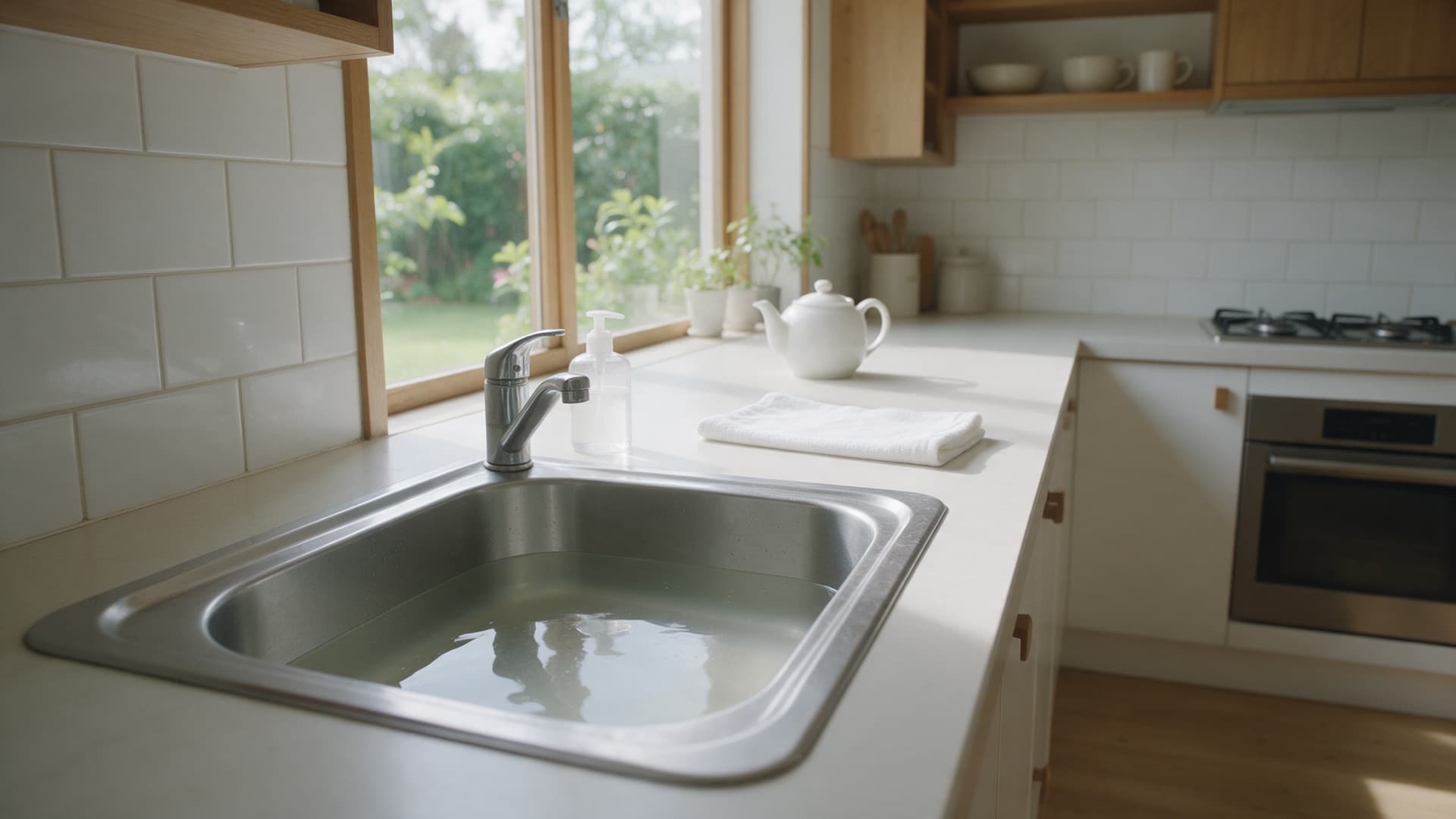
The sink's full of grey water. Or the shower is filling up around your ankles and you've got somewhere to be. If you're searching for how to unblock a drain right now, the good news is that most household blockages sit close to the plughole and clear in under half an hour.
Here's the catch. Each method only works on certain blockages. A plunger won't shift a wad of hair. Bicarb soda won't touch a solid object. So people try the wrong one, decide it's hopeless, and reach for a bottle of chemical cleaner, which is usually the worst option on the shelf.
This guide helps you pick the right method first. You'll learn how to read the blockage, the three DIY methods worth your time, what to steer clear of, and the signs that it's time to call 24/7 Local Plumbers.
Two minutes of checking saves you an hour of plunging the wrong thing.
One drain or several?
Run water in a few other fixtures. If only one drain is slow, the blockage is local, usually in the trap or the first metre of pipe. That's DIY territory.
If the shower, the basin and the toilet are all slow, or one gurgles when you use another, the blockage is further down in the main line. No home method will reach it, so don't waste an afternoon trying.
Which room is it in?
The room tells you what the blockage is made of:
-
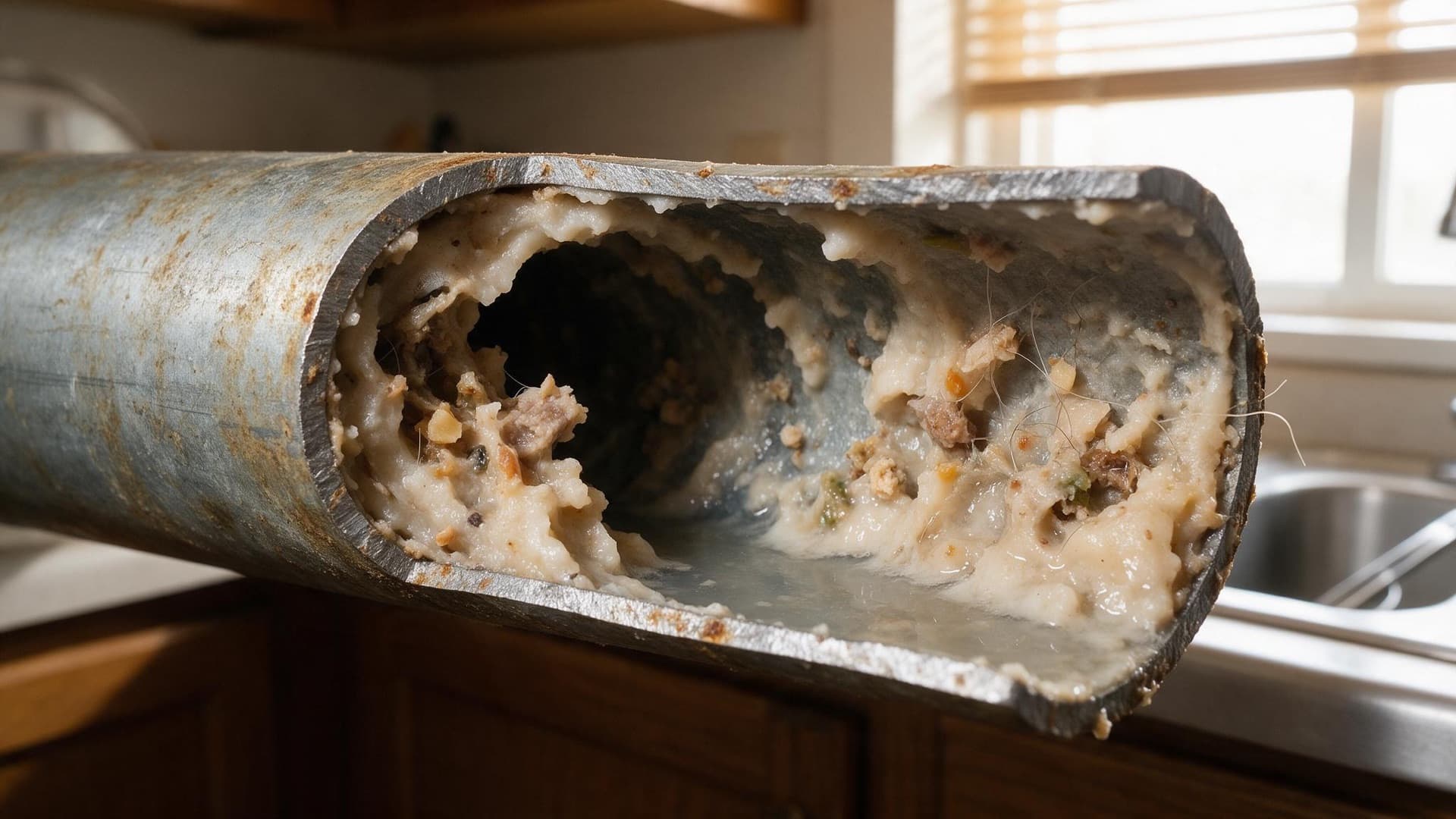
Kitchen sink: grease, fat and food scraps.
-
Shower, bath and basin: hair bound together with soap.
-
Laundry: lint and detergent residue.
-
Outside drain: leaves, dirt and tree roots.
Slow, standing or overflowing?
A drain that's slow but still moving has a partial blockage, which is the easiest kind to clear. Standing water that doesn't move means a full blockage. Water or sewage coming back up, especially outside, is not a DIY job.
How to Unblock a Drain With a Plunger
A plunger pushes and pulls water against the blockage until it breaks up. Simple, cheap, and still the first thing to try on standing water in a sink, basin or shower.
When a plunger is the right tool
Use it on soft blockages close to the plughole: food, soap, paper. It needs water in the fixture to work, so it's ideal for a full blockage and less useful on a slow drain.
The steps in brief
- Block the overflow hole with a wet cloth so the pressure doesn't escape.
- Leave enough water in the fixture to cover the rubber cup.
- Seal the cup over the plughole and pump firmly 15 to 20 times, keeping the seal.
- Pull the plunger away sharply and see if the water drains.
Give it two or three goes before moving on. If nothing has shifted by then, more plunging won't help. Our guide on how to use a plunger properly covers the difference between cup and flange plungers and the mistakes that break the seal.
Unblocking a Drain With Bicarb Soda and Vinegar
This one is for slow drains, not blocked ones. The fizzing loosens the film of grease and soap on the pipe wall, and that's about all it does. It won't dissolve hair, and it won't push through a solid plug, whatever the internet says.
What it clears and what it won't
It works well on a kitchen sink that's draining slowly, a smelly bathroom drain and as a monthly maintenance flush. It does very little for standing water, a hair clog or anything solid.
The short method
- Tip half a cup of bicarb soda into the dry drain.
- Follow with half a cup of white vinegar and cover the plughole.
- Wait 15 to 30 minutes.
- Flush with a kettle of hot (not boiling) water.
For the full method, variations and the science behind it, see our homemade drain cleaner guide.
Unblocking Drain Pipes With a Drain Snake
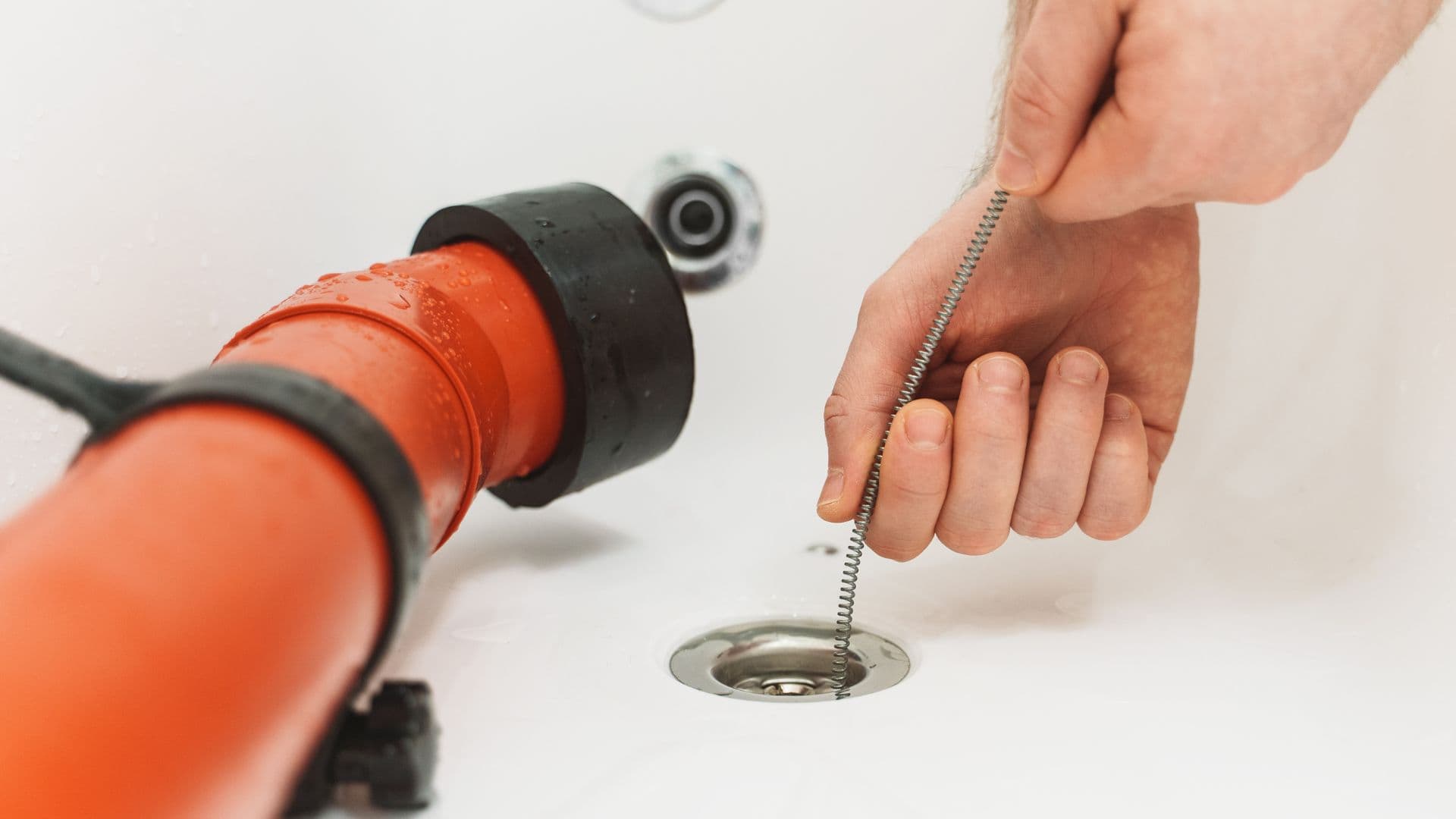
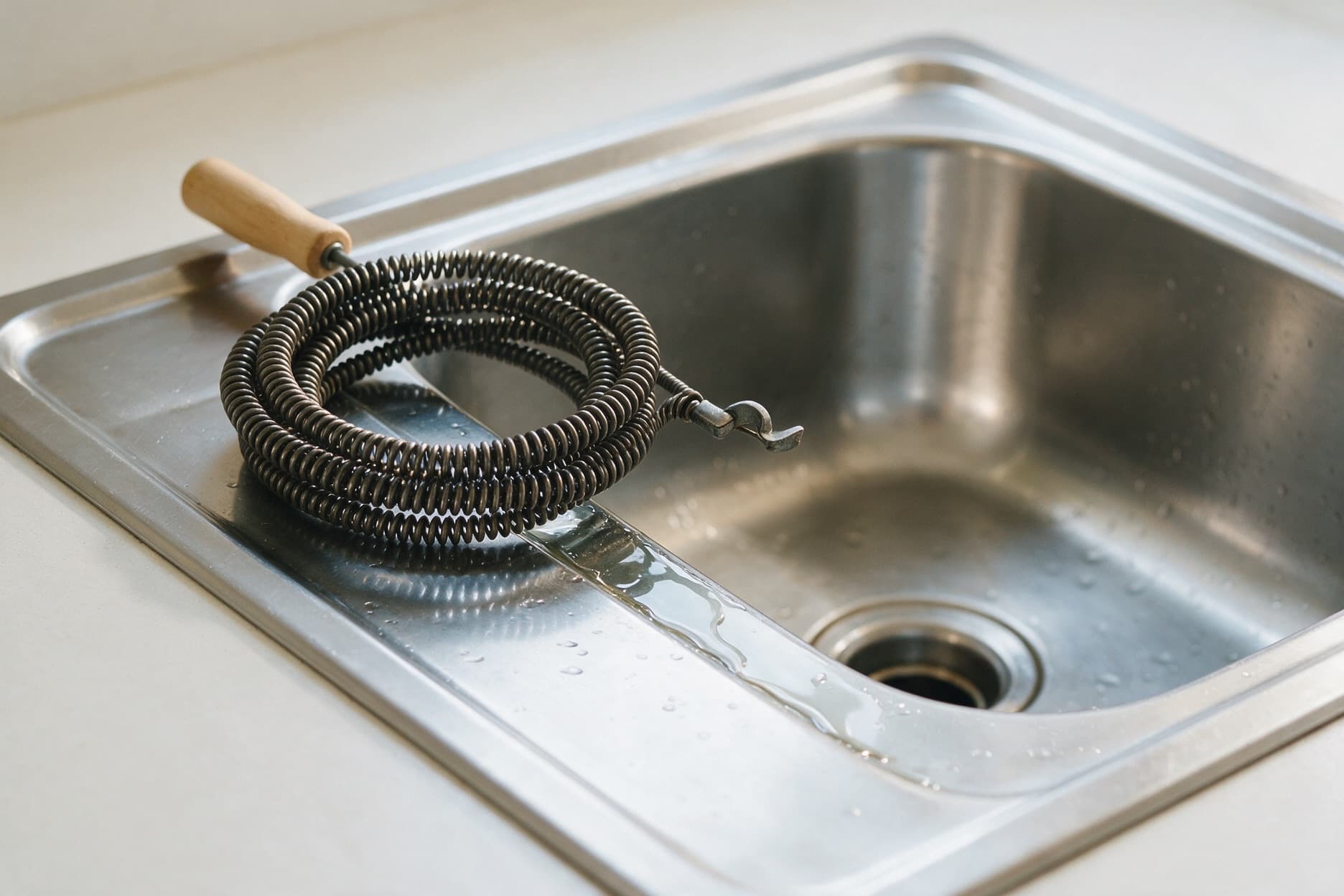
A drain snake (also called a drain auger) is a flexible steel cable you feed into the pipe. It either hooks the blockage so you can pull it out, or breaks it up so water can carry it away.
When to move up to a snake
Reach for a snake when the plunger hasn't worked, when you suspect hair (showers and basins), or when the blockage is further along than the trap. A basic hand snake from the hardware store reaches several metres, which covers most blockages inside the house.
The steps in brief
- Remove the plug or grate and feed the cable in slowly.
- When you feel resistance, turn the handle clockwise to work the tip into the blockage.
- Pull back gently. If the cable comes out with hair or debris on it, clean it off and repeat.
- Flush with hot water once the drain is running.
Go gently. Forcing a snake around a bend can scratch the pipe or jam the cable, and a jammed cable is a worse problem than the one you started with. Our step-by-step guide on how to use a drain snake explains the technique for each type of fixture.
| Method | Best for | Time | Risk |
|---|---|---|---|
| Plunger | Standing water, soft blockages near the plughole | 5 to 10 minutes | Very low |
| Bicarb soda and vinegar | Slow drains, grease film, odours | 30 minutes | Very low |
| Drain snake | Hair, deeper blockages, when the plunger fails | 15 to 30 minutes | Low if used gently |
| Licensed plumber | Several fixtures blocked, repeat blockages, outside drains | Same day | None to you |
What Not to Do When You Unblock a Drain
Some of the most common fixes make the job harder, or leave you with a bigger repair.
Chemical drain cleaners
Caustic cleaners are harsh on skin and eyes, and they don't always clear the blockage. When they fail, you're left with a sink full of corrosive water. Someone then has to work in it. That's you, or your plumber. If you've already used one, say so before they start.
Avoid
Never mix drain cleaning products, and never use a plunger straight after pouring a chemical cleaner. The splashback can burn.
Improvised tools and boiling water
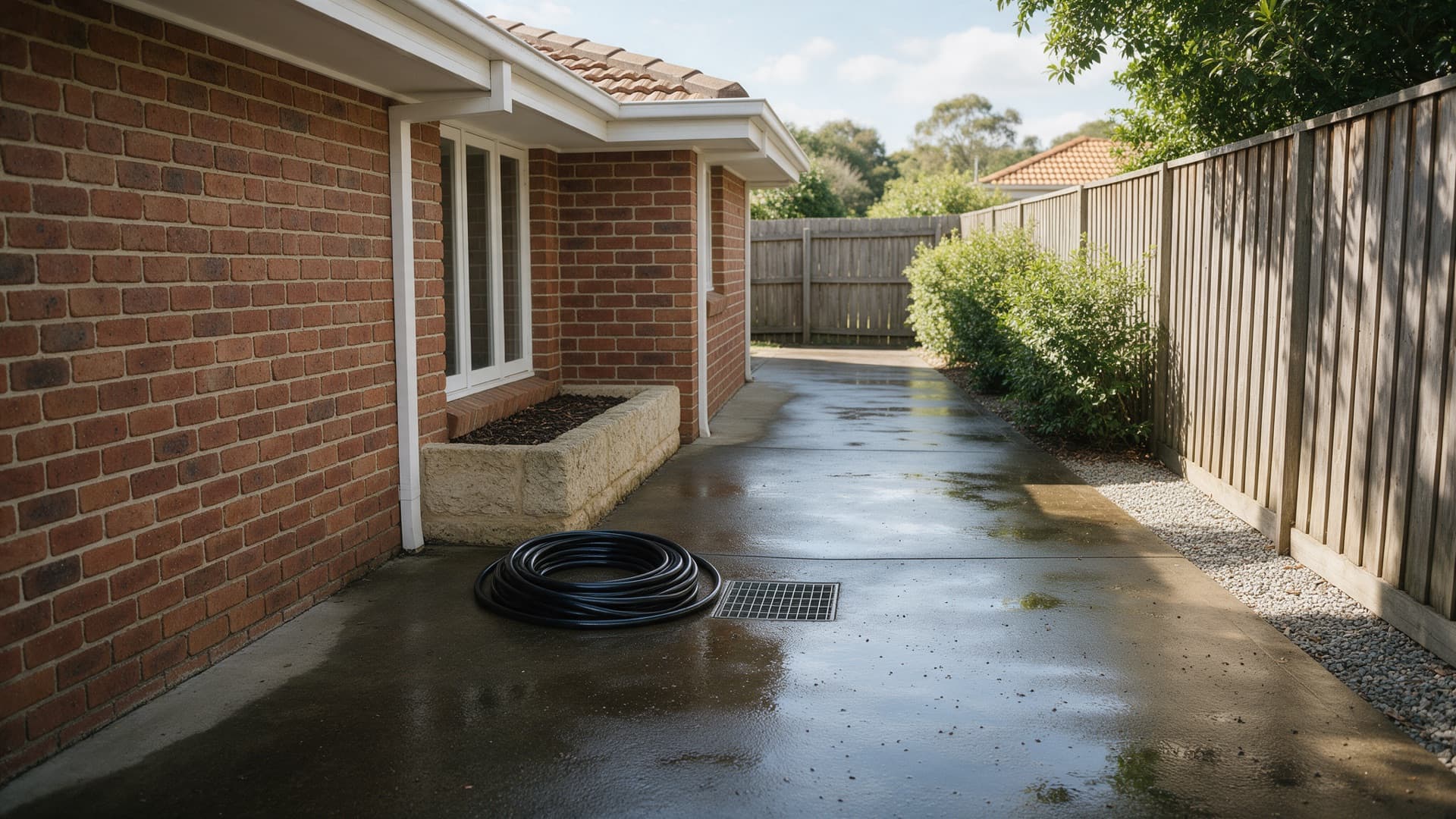
A straightened coat hanger can scratch the pipe and push the blockage further in. A garden hose forced down the drain can flood the room. Boiling water straight from the kettle can soften PVC pipe joints and crack a porcelain basin. Hot tap water or a kettle that has cooled for a minute is enough.
How to Stop Drains Blocking Again
Once the drain is clear, a few habits keep it that way.
What should never go down a drain
Sydney Water says non-flushable wet wipes account for 75% of wastewater blockages. Fats, oils and grease are another major cause, because they cool and harden inside the pipe.
Keep these out of your drains:
- Cooking fat and oil. Let it cool, then wipe it into the bin.
- Wet wipes, paper towels, tissues and cotton buds.
- Coffee grounds and food scraps.
- Hair. Clear it from the grate after each shower.
Strainers and a monthly flush
A sink strainer and a shower hair catcher cost a few dollars each at Bunnings and stop a lot of blockages before they start. Once a month, flush each drain with hot water or the bicarb soda method above. That's the whole routine.
When to Call a Licensed Plumber
DIY methods clear blockages near the fixture. Stop and call a plumber when:
- More than one fixture is slow or blocked at the same time.
- You hear gurgling from one drain when you use another.
- There's a sewage smell inside or outside the house.
- Water or sewage is coming up through an outside drain or overflow.
- The same drain blocks again within a few weeks.
- You've tried a plunger and a snake and nothing has moved.
These point to a blockage in the main line. In older Sydney suburbs with big street trees, that often means roots or a damaged pipe. The pipes on your property are your responsibility up to where they join Sydney Water's network, and clearing them is drainage work, which in NSW must be done by someone who holds a licence for drainage work.
Our blocked drain plumbers in Sydney clear the line with high-pressure jetting, then run a camera through to confirm it's clean and show you the footage.
Need help from a licensed plumber? $0 call-out fee, available 24/7, Sydney-wide. Call 1300 138 780.
Key Takeaways
- Check whether one drain or several are affected before you start. Several means a main line blockage that needs a plumber.
- Use a plunger for standing water, bicarb soda and vinegar for slow drains, and a drain snake for hair and deeper blockages.
- Skip chemical drain cleaners, coat hangers and boiling water.
- Keep wipes, fat, oil and hair out of the drain, and fit a strainer.
- Gurgling, sewage smells, outside overflows or repeat blockages are signs to call a licensed plumber.