What Dishwasher Installation Actually Involves
New dishwasher sitting in the box, and the obvious question is whether you fit it yourself or call someone in. It looks like a simple appliance swap on the surface, slide the old one out, slide the new one in, but it actually touches water supply, drainage, and electrical wiring all at once.
Here's what each connection involves, the clearance you need to check before you buy, an honest DIY versus licensed plumber breakdown, and the mistakes that cause the most callbacks.
A dishwasher install has four parts working together: a water supply connection, a drain hose that has to prevent dirty water flowing back in, a dedicated power connection, and enough physical clearance to actually fit the unit under the bench. Miss any one of these and you're looking at a leak, a tripped circuit, or an appliance that simply won't slide into place.
Water Supply Connection
Dishwashers connect to either the cold or hot water supply using the hose and dual check valve supplied by the manufacturer. The dual check valve is a backflow prevention device, stopping water siphoning back into your home's supply if pressure drops unexpectedly.
Water pressure needs to sit at a minimum of 200kPa for the dishwasher to fill and function properly. Notoriously low pressure in your home? Worth checking before installation day rather than after the dishwasher's already plumbed in and underperforming.
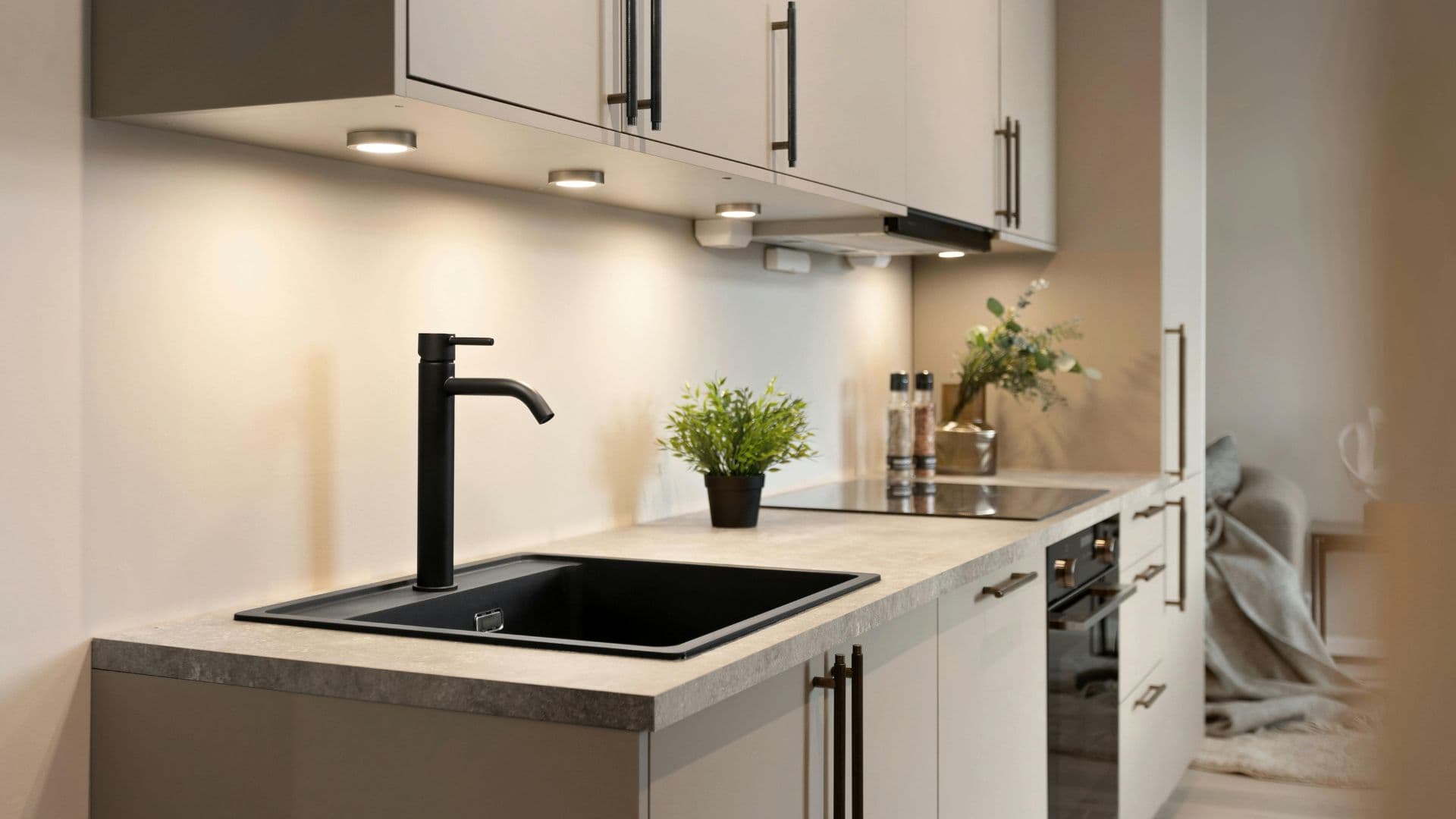
Most installations tap into the existing supply line under the kitchen sink, using a dedicated isolation valve so the dishwasher can be shut off independently for future servicing. Adding that valve if one doesn't already exist is a proper plumbing job, not a DIY add-on.
Drain Hose Setup
The dishwasher's waste hose needs to connect using either a high-loop or an air-gap method, both designed to stop dirty water siphoning back into the dishwasher from the sink drain.
A high loop simply routes the drain hose up as high as possible under the bench before connecting down to the drain, using gravity and the loop itself as the barrier. An air gap is a small fitting mounted above the sink that creates a physical break between the dishwasher's outgoing water and the drain. It's the more reliable of the two, honestly.
Skipping backflow prevention entirely isn't just a compliance issue. It genuinely lets contaminated water flow back into a dishwasher mid-cycle under the wrong conditions.
Power Requirements
A dishwasher needs to be wired to a fixed switch, not simply plugged into a regular power point. That switch needs a minimum contact gap of 3mm and must be protected by a 30mA RCD (residual current device) for safety. The switch and any accessible power point also need to stay reachable after the dishwasher is installed, not buried behind the unit where you can't get to it in an emergency.
This part of the job sits squarely with a licensed electrician, working alongside the plumber on install day, since it involves fixed wiring rather than a simple plug-in connection.
Under-Bench Clearance and Fit
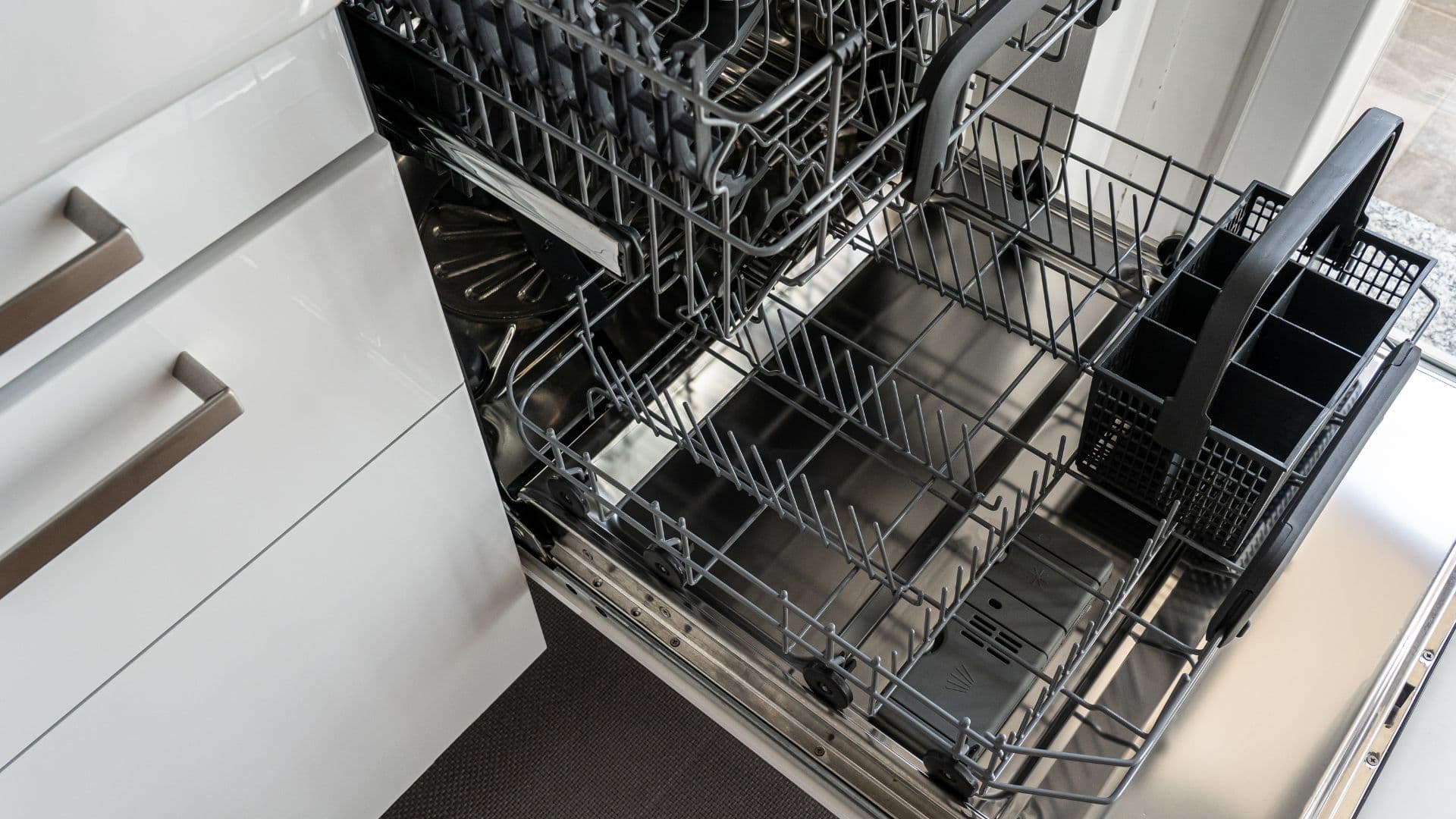
Standard dishwashers need roughly 600mm of width and around 820 to 870mm of height clearance under the bench, though this varies slightly by brand and model. Always check your specific unit's dimensions against the actual gap before ordering, particularly in older kitchens where the cabinetry was never built with a dishwasher in mind.
The most common fit issue is a bench height that's a few millimetres too tight, or a water and power point sitting exactly where the dishwasher needs to slide through. Both are easier to catch with a tape measure before delivery day than after.
Do You Need a Plumber to Install a Dishwasher?
Short answer: yes, for the water supply, drainage, and electrical connections. In NSW, plumbing and draining work beyond very minor maintenance legally requires a licensed tradesperson, and dishwasher installation falls squarely inside that category.
There's also a compliance angle worth knowing about. A professional installation comes with certificates that matter if you're selling the property, making an insurance claim, or relying on the manufacturer's warranty, which many brands won't honour if the install wasn't done by a licensed tradesperson.
| Task | DIY-Safe | Licensed Trade Only |
|---|---|---|
| Positioning the unit under the bench | Yes | — |
| Connecting to existing water supply | — | Yes (plumber) |
| Installing an air gap or high loop | — | Yes (plumber) |
| Wiring to a fixed switch | — | Yes (electrician) |
| Adding a new isolation valve | — | Yes (plumber) |
Common Installation Mistakes
A poorly installed dishwasher is one of the more common causes of emergency plumbing callouts we get, usually from one of these five slip-ups.
-
Skipping the air gap or high loop — the single most common corner cut, and the one most likely to send contaminated water back into the dishwasher.
-
Plugging into a regular power point — dishwashers need a fixed-wired switch with RCD protection, not a standard plug-in connection.
-
Ignoring water pressure requirements — below 200kPa, the dishwasher may fill slowly or never complete cycles properly.
-
Getting the clearance wrong — order a unit before measuring the actual gap and you're looking at a return trip, or a forced, awkward fit.
-
No isolation valve fitted — without one, any future servicing means shutting off water to the whole kitchen instead of just the dishwasher.
If the sink is being replaced at the same time, it's worth planning both together. Our kitchen sink and tap guide covers what happens under the bench in more detail.
24/7 Local Plumbers is available around the clock with $0 call-out fees and a lifetime labour guarantee for your kitchen plumbing and dishwasher installation needs. Call 1300 138 780 or book online for a free quote.
Key Takeaways
- Dishwasher installation involves four connections: water supply, drainage, power, and physical fit.
- Water supply needs a dual check valve and at least 200kPa of pressure.
- Drainage requires a high loop or air gap to prevent backflow contamination.
- Power must run through a fixed-wired switch with RCD protection, not a standard power point.
- NSW regulations require a licensed plumber and electrician for the connections, both for legal compliance and to keep your warranty valid.