Sign 1: An Unexplained Rise in Your Water Bill
A tap that drips announces itself. The leaks that cause real damage do the opposite. They run quietly inside a wall, under a slab or beneath the front lawn, sometimes for months, and the first hint is a bill that does not make sense.
The good news is that hidden leaks almost always leave clues before they become expensive. Most of them you can check yourself this afternoon, without tools and without spending anything.
Here are seven signs worth looking for, the meter test that settles the question, and what to do once you suspect something is wrong.
An unexplained bill is the most common way a hidden leak is discovered, and usually the most expensive way, because by then it has been running for a quarter.
The Meter Test
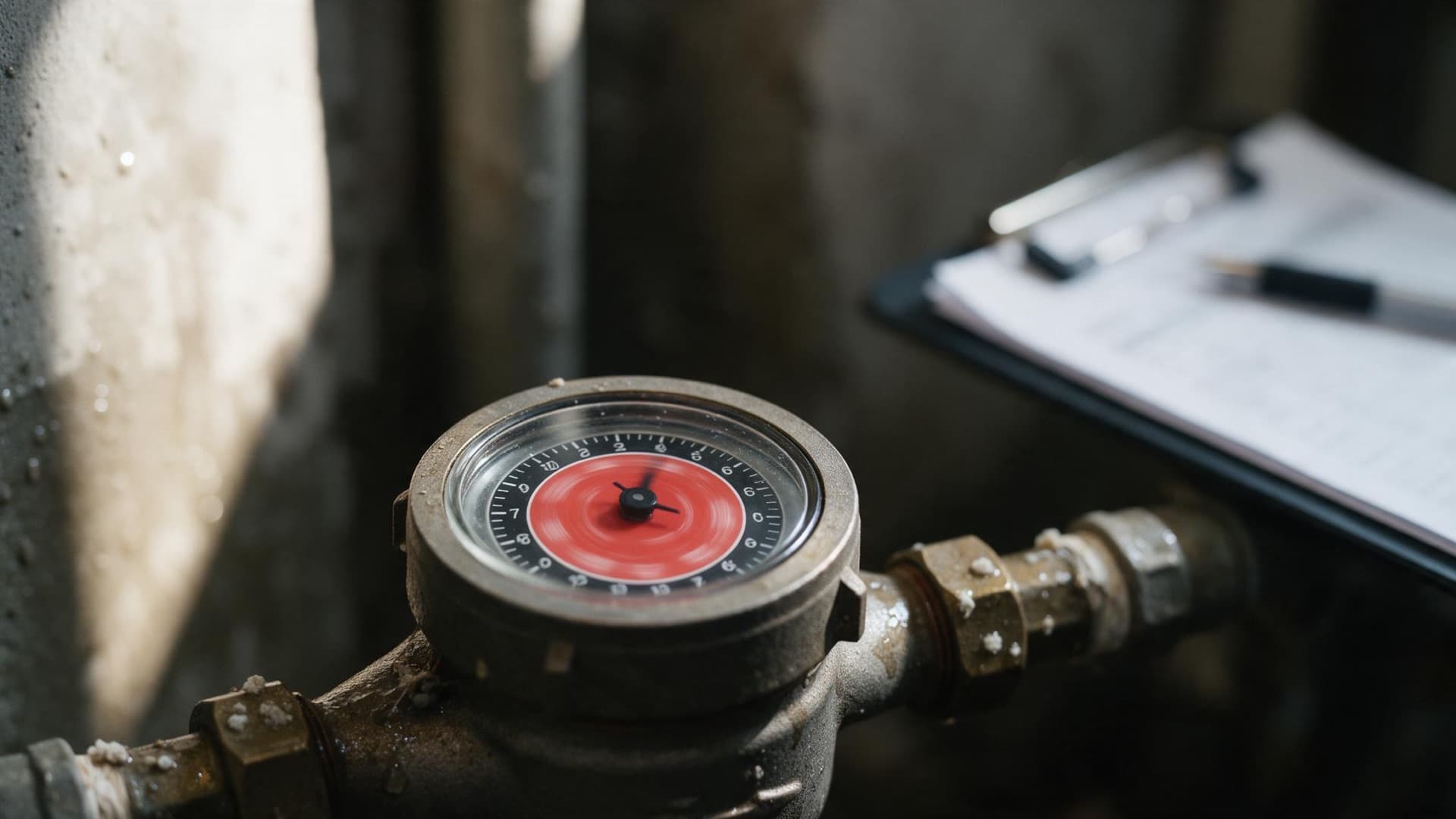
Sydney Water's leak detection guidance sets out a simple check. Note the numbers on your meter dial, then avoid using any water for at least an hour. Check the dial again. If the reading has changed, water is going somewhere, and the bigger the change the bigger the likely leak.
Run it overnight if you can, when nobody is using water and nothing is on a timer. Remember to account for an irrigation system, an ice maker or a dishwasher part way through a cycle.
Tip
photograph the dial rather than writing the numbers down. It removes any doubt about what you read the first time.
Sign 2: Damp Patches, Stains or Bubbling Paint
Paint that bubbles, plaster that darkens, or a skirting board that feels soft all suggest water is reaching somewhere it should not.
What the Location Tells You
A ceiling stain that worsens after rain points towards the roof rather than the plumbing. A stain that stays the same regardless of weather, or grows steadily, is more likely to be a pipe. Wall stains near a bathroom often trace back to the shower rather than a supply pipe, and our guide to fixing a leaking shower covers the usual causes there.
Sign 3: A Warm Spot on the Floor
An unexplained warm patch on a tiled or concrete floor is worth taking seriously, because it usually means a hot water line running under the slab is leaking.
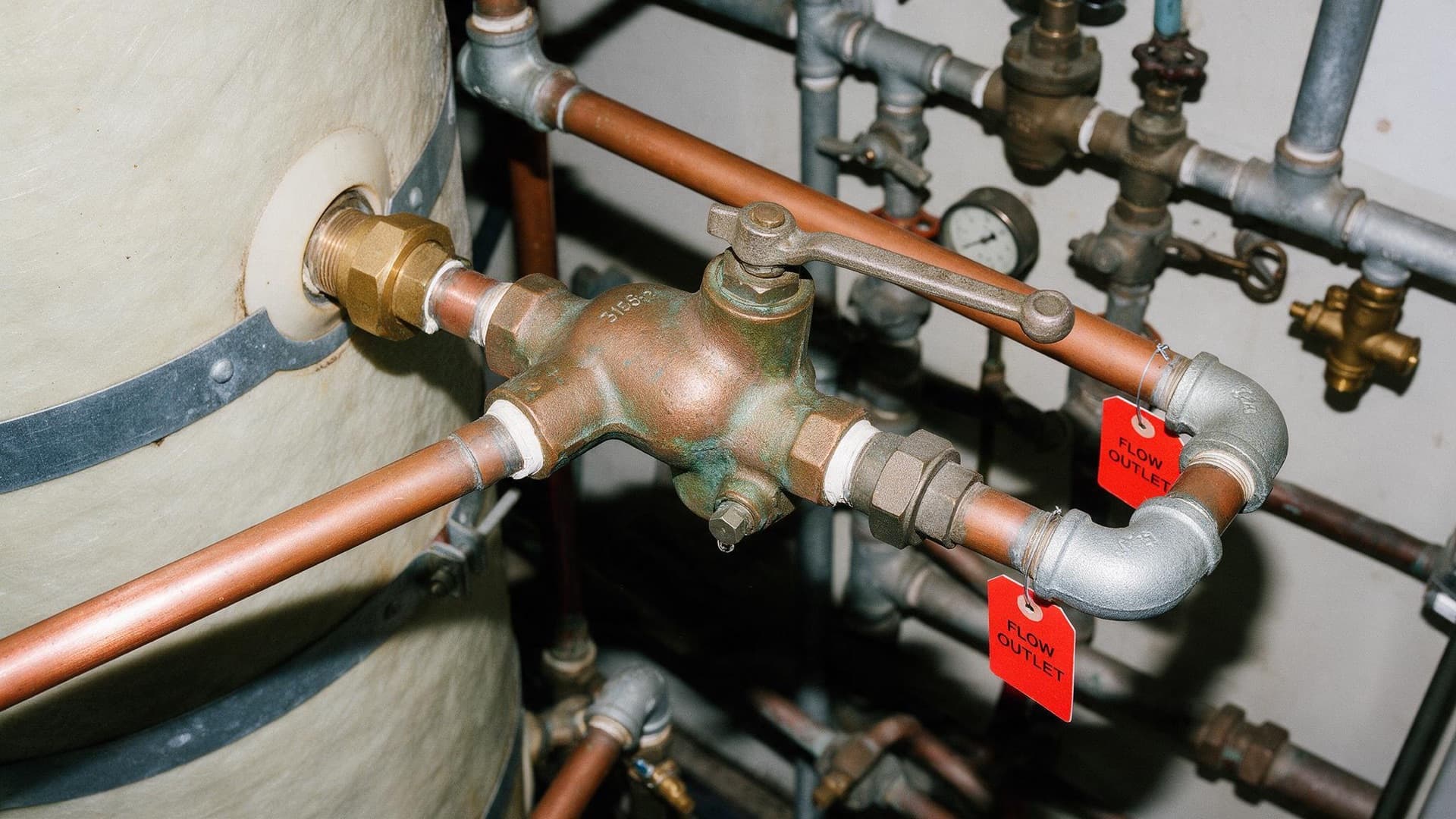
Slab leaks are among the more disruptive plumbing problems, which is why catching one early matters. If your hot water is also behaving oddly, temperature swings can point to the system rather than the pipework, and our guide to what a tempering valve does explains that side of it.
Sign 4: A Musty Smell With No Visible Mould
Persistent damp smell in a cupboard, a hallway or under the house, without any mould you can see, often means moisture is sitting somewhere behind a surface. Trust your nose here. A smell that returns after airing the space out is worth investigating.
Sign 5: Water Pressure That Has Quietly Dropped
Pressure loss is easy to normalise, because it happens gradually. If showers feel weaker than they did a year ago, and the change affects the whole house rather than one tap, water may be escaping before it reaches your outlets.
A single slow tap is more likely to be an aerator or a worn washer, which our guide to fixing a dripping tap walks through.
Sign 6: Sounds in the Walls When Everything Is Off
Stand still in a quiet house with every tap closed and listen. A faint hiss, trickle or running sound inside a wall means water is moving through a pipe when nothing is calling for it.
Caution
knocking or banging when a tap shuts is a different problem, usually water hammer rather than a leak, though it is still worth addressing before it damages fittings.
Sign 7: A Green Patch or Sinkage in the Garden
An area of lawn greener than everything around it, soggy ground during dry weather, or a patch that has begun to sink can all indicate a leak in the service line between the water meter and the house.
This one matters for a practical reason: responsibility for pipework on your side of the meter generally sits with the property owner, so a leak out there is yours to fix and yours to pay for while it runs.
What to Do Once You Suspect a Leak
Once the signs line up, a few simple steps limit the damage and protect you when the bill arrives.
Shut Off and Confirm
Your property has a main shut-off, usually near the meter. Closing it stops the flow while you work out what is happening, and it also helps narrow the problem down: if the meter stops moving with the mains off but the house isolated, that tells you something useful about where the leak sits.
Document Before Anyone Attends
Photograph the meter readings, the stain or damp patch and anything else you have noticed, with dates. This helps whoever attends, and it matters for the next point.
Finding the Leak Is a Separate Step From Fixing It
Locating a concealed leak and repairing it are two different jobs. Acoustic equipment, thermal imaging and pressure testing are used to find the leak without opening walls or lifting slabs unnecessarily. Our water leak detection and repair service covers both parts, which means less guesswork and less damage on the way to the repair.
When to Call a Licensed Plumber
Call someone if the meter moves with every tap off, if a damp patch is growing, if you find a warm spot on the floor, or if a stain reappears after you have dried and repainted it. A leak that is actively running is not a wait-and-see problem, because the damage compounds quietly.
If water is flowing and you cannot stop it, that is an emergency plumbing situation and worth a call straight away.
At 24/7 Local Plumbers we are available 24 hours a day across Sydney with a $0 call-out fee, within-the-hour response for urgent jobs and a lifetime guarantee on workmanship. Give us a call on 1300 138 780 and we will find it before we start opening anything up.
Key Takeaways
- Hidden leaks usually show themselves in bills, smells, stains and sounds before you ever see water.
- The meter test is free, takes an hour and settles the question.
- A warm patch on a slab floor suggests a hot water line underneath.
- A green or sinking patch in the garden points to the service line, which is generally the owner's responsibility.
- Sydney Water's hidden leak allowance can credit half the usage charge for the worst quarter, but only after a licensed plumber has found and repaired the leak.
- Locating a leak and repairing it are separate jobs, and doing the first properly limits the damage of the second.